
Before Memmo my notes were scattered across PDFs. Now a workspace pulls everything into one place — I see exactly what's still left to study.
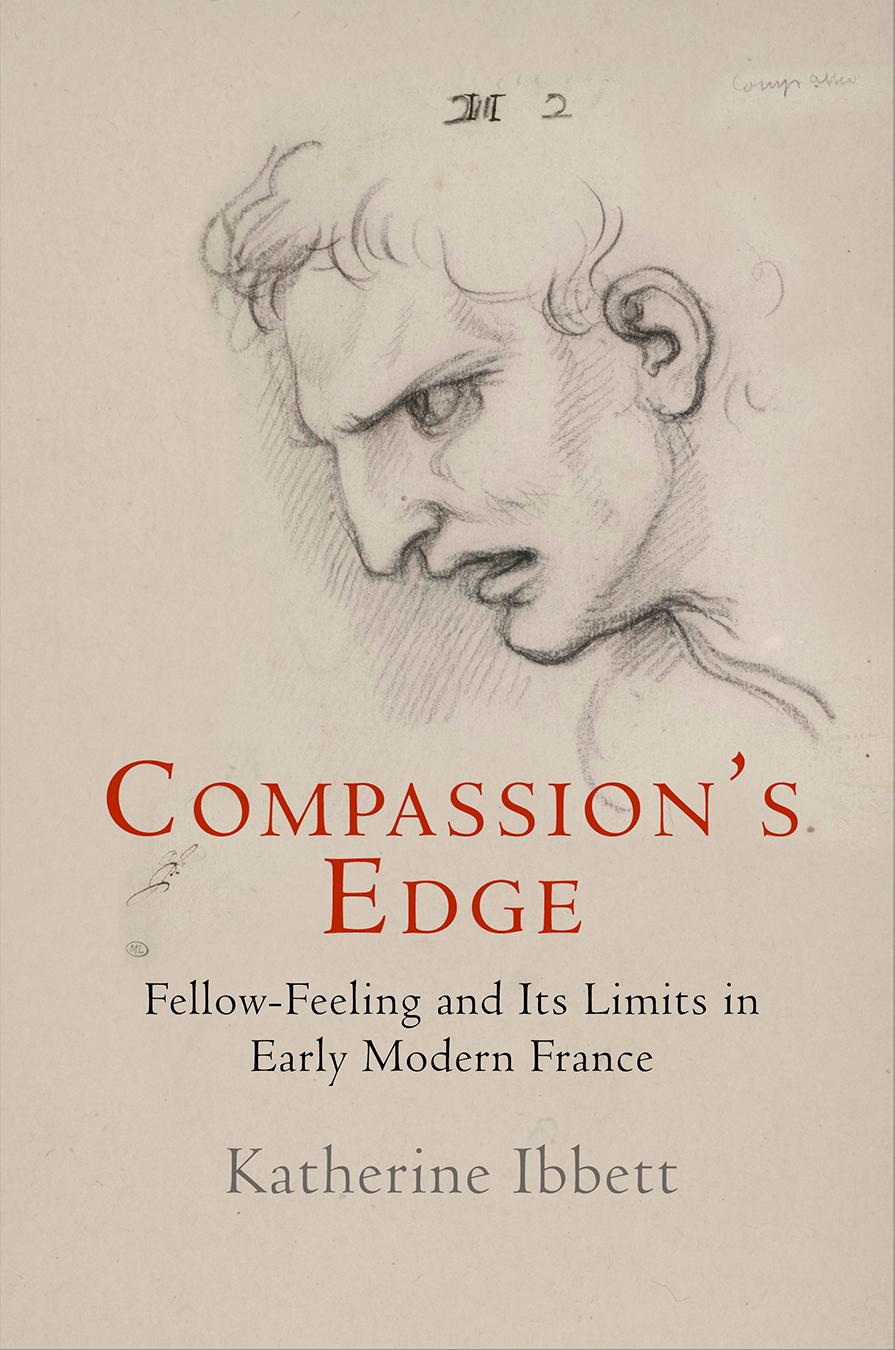
Compassion's Edge examines the language of fellow-feeling—pity, compassion, and charitable care—that flourished in France in the period from the Edict of Nantes in 1598, which established some degree of religious toleration, to the official breakdown of that toleration with the Revocation of the Edict in 1685. This is not, however, a story about compassion overcoming difference but one of compassion reinforcing division: the seventeenth-century texts of fellow-feeling led not to communal concerns but to paralysis, misreading, and isolation. Early modern fellow-feeling drew distinctions, policed its borders, and far from reaching out to others, kept the other at arm's length. It became a central feature in the debates about the place of religious minorities after the Wars of Religion, and according to Katherine Ibbett, continues to shape the way we think about difference today.
Compassion's Edge ranges widely over genres, contexts, and geographies. Ibbett reads epic poetry, novels, moral treatises, dramatic theory, and theological disputes. She takes up major figures such as D'Aubigné, Montaigne, Lafayette, Corneille, and Racine, as well as less familiar Jesuit theologians, Huguenot ministers, and nuns from a Montreal hospital. Although firmly rooted in early modern studies, she reflects on the ways in which the language of compassion figures in contemporary conversations about national and religious communities. Investigating the affective undertow of religious toleration, Compassion's Edge provides a robust corrective to today's hope that fellow-feeling draws us inexorably and usefully together.
Before Memmo my notes were scattered across PDFs. Now a workspace pulls everything into one place — I see exactly what's still left to study.
Memmo's summaries are gold before exams. I don't have to re-read 800 pages two weeks before — just the important parts.
The AI chat has saved me the night before an exam more than once. I just keep asking until I get it — no waiting on a study group to reply.
The quizzes hit exactly what I need to know. Memmo tracks what I get stuck on — so I only practice what's worth it.
Flashcards with spaced repetition are magic. Memmo knows when I'm about to forget something and brings it back.
The AI podcasts are my favorite. I listen on my way to school and get a recap without sitting at a computer.

Handbok i kvalitativa metoder
281 kr

Hållbar utveckling: en introduktion för ingenjörer och andra problemlösare
334 kr

Brymans Samhällsvetenskapliga metoder
390 kr

Projektledning
491 kr

Den orättvisa hälsan: om socioekonomiska skillnader i hälsa och livslängd
326 kr

Organizational Leadership
429 kr

Vetenskapsteori för nybörjare
196 kr

På väg mot läraryrket
172 kr

Det sociala livet i skolan: Socialpsykologiska perspektiv
253 kr

Betygsättningens didaktik
151 kr

Personality
402 kr

Studying Leadership
404 kr

Managing Innovation
477 kr

Introduktion till samhällsvetenskaplig metod
347 kr

The Psychology of Sex and Gender
698 kr

Evidens och kunskap för socialt arbete
207 kr

Introduction to Leadership
605 kr