
Before Memmo my notes were scattered across PDFs. Now a workspace pulls everything into one place — I see exactly what's still left to study.
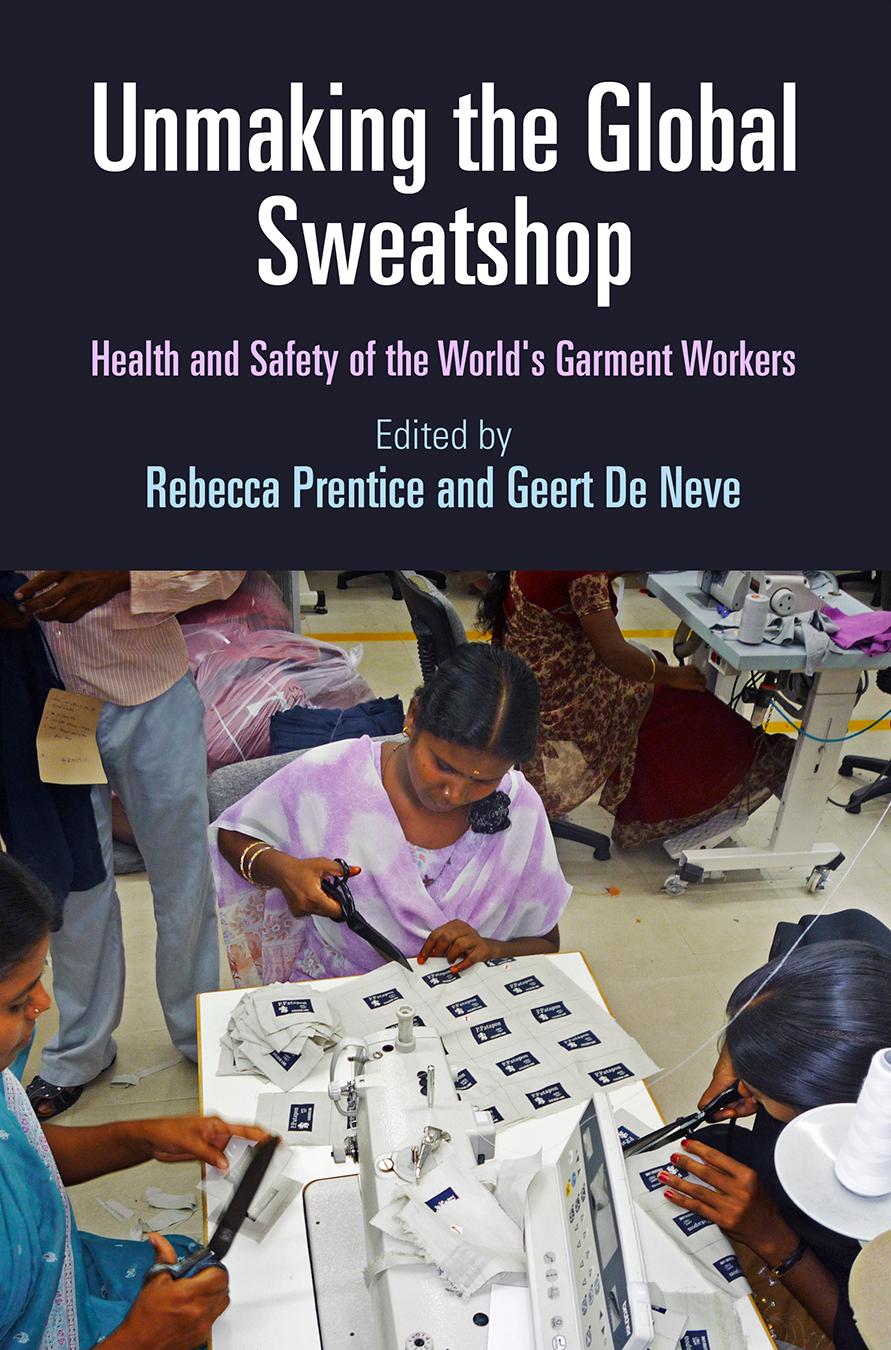
Anthropologists and ethnographers examine the global garment industry's impact on workers' well-being
The 2013 collapse of Rana Plaza, an eight-story garment factory in Savar, Bangladesh, killed over a thousand workers and injured hundreds more. This disaster exposed the brutal labor conditions of the global garment industry and revealed its failures as a competitive and self-regulating industry. Over the past thirty years, corporations have widely adopted labor codes on health and safety, yet too often in their working lives, garment workers across the globe encounter death, work-related injuries, and unhealthy factory environments. Disasters such as Rana Plaza notwithstanding, garment workers routinely work under conditions that not only escape public notice but also undermine workers' long-term physical health, mental well-being, and the very sustainability of their employment.
Unmaking the Global Sweatshop gathers the work of leading anthropologists and ethnographers studying the global garment industry to examine the relationship between the politics of labor and initiatives to protect workers' health and safety. Contributors analyze both the labor processes required of garment workers as well as the global dynamics of outsourcing and subcontracting that produce such demands on workers' health. The accounts contained in Unmaking the Global Sweatshop trace the histories of labor standards for garment workers in the global South; explore recent partnerships between corporate, state, and civil society actors in pursuit of accountable corporate governance; analyze a breadth of initiatives that seek to improve workers' health standards, from ethical trade projects to human rights movements; and focus on the ways in which risk, health, and safety might be differently conceptualized and regulated. Unmaking the Global Sweatshop argues for an expansive understanding of garment workers' lived experiences that recognizes the politics of labor, human rights, the privatization and individualization of health-related responsibilities as well as the complexity of health and well-being.
Contributors: Mark Anner, Hasan Ashraf, Jennifer Bair, Jeremy Blasi, Geert De Neve, Saydia Gulrukh, Ingrid Hagen-Keith, Sandya Hewamanne, Caitrin Lynch, Alessandra Mezzadri, Patrick Neveling, Florence Palpacuer, Rebecca Prentice, Kanchana N. Ruwanpura, Nazneen Shifa, Dina M. Siddiqi, Mahmudul H. Sumon.
Before Memmo my notes were scattered across PDFs. Now a workspace pulls everything into one place — I see exactly what's still left to study.
Memmo's summaries are gold before exams. I don't have to re-read 800 pages two weeks before — just the important parts.
The AI chat has saved me the night before an exam more than once. I just keep asking until I get it — no waiting on a study group to reply.
The quizzes hit exactly what I need to know. Memmo tracks what I get stuck on — so I only practice what's worth it.
Flashcards with spaced repetition are magic. Memmo knows when I'm about to forget something and brings it back.
The AI podcasts are my favorite. I listen on my way to school and get a recap without sitting at a computer.

Handbok i kvalitativa metoder
281 kr

Hållbar utveckling: en introduktion för ingenjörer och andra problemlösare
334 kr

Brymans Samhällsvetenskapliga metoder
390 kr

Projektledning
491 kr

Den orättvisa hälsan: om socioekonomiska skillnader i hälsa och livslängd
326 kr

Organizational Leadership
429 kr

Vetenskapsteori för nybörjare
196 kr

På väg mot läraryrket
172 kr

Det sociala livet i skolan: Socialpsykologiska perspektiv
253 kr

Betygsättningens didaktik
151 kr

Personality
402 kr

Studying Leadership
404 kr

Managing Innovation
477 kr

Introduktion till samhällsvetenskaplig metod
347 kr

The Psychology of Sex and Gender
698 kr

Evidens och kunskap för socialt arbete
207 kr

Introduction to Leadership
605 kr