
Before Memmo my notes were scattered across PDFs. Now a workspace pulls everything into one place — I see exactly what's still left to study.
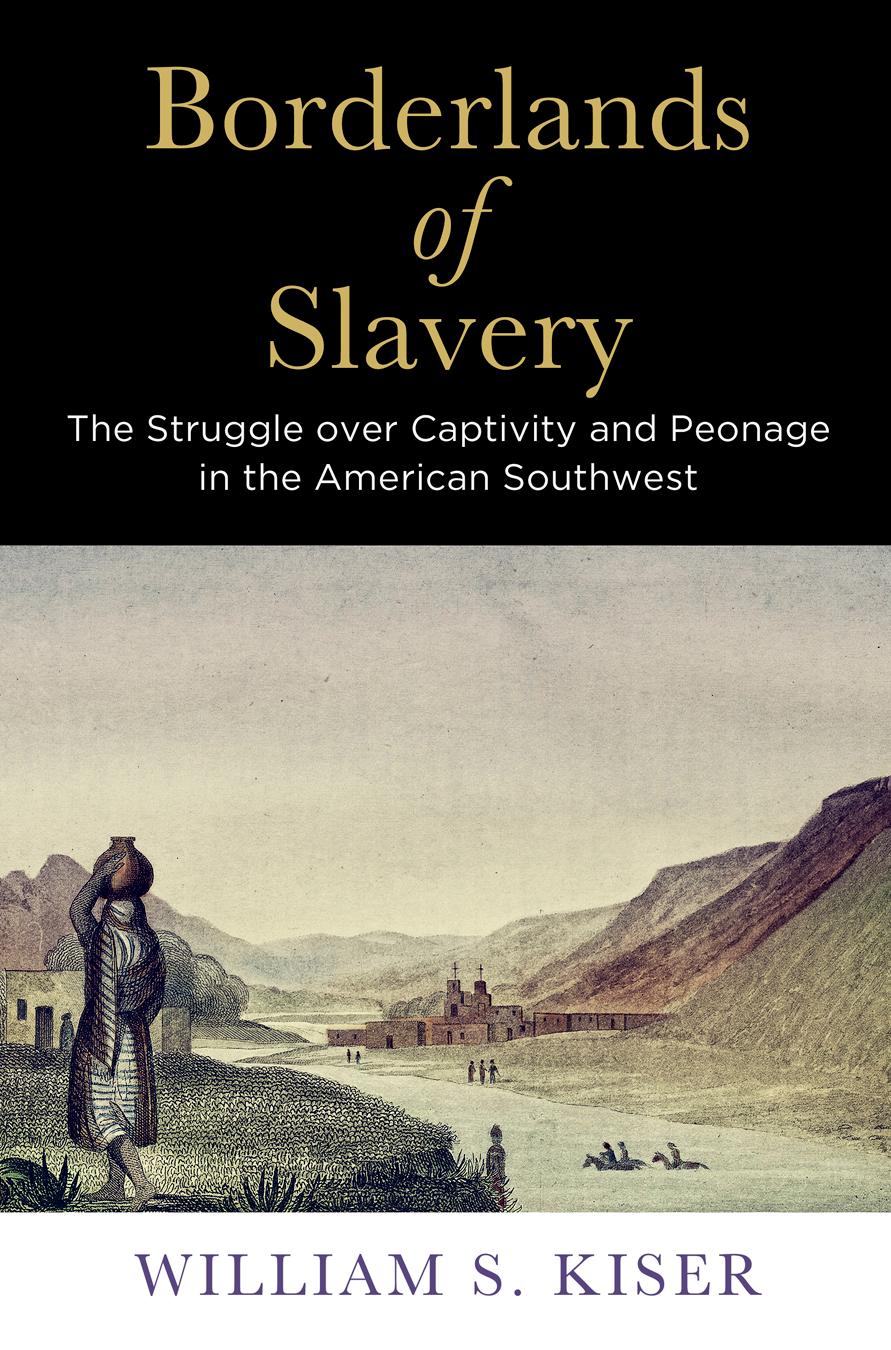
It is often taken as a simple truth that the Civil War and the Thirteenth Amendment to the Constitution ended slavery in the United States. In the Southwest, however, two coercive labor systems, debt peonage—in which a debtor negotiated a relationship of servitude, often lifelong, to a creditor—and Indian captivity, not only outlived the Civil War but prompted a new struggle to define freedom and bondage in the United States.
In Borderlands of Slavery, William S. Kiser presents a comprehensive history of debt peonage and Indian captivity in the territory of New Mexico after the Civil War. It begins in the early 1700s with the development of Indian slavery through slave raiding and fictive kinship. By the early 1800s, debt peonage had emerged as a secondary form of coerced servitude in the Southwest, augmenting Indian slavery to meet increasing demand for labor. While indigenous captivity has received considerable scholarly attention, the widespread practice of debt peonage has been largely ignored. Kiser makes the case that these two intertwined systems were of not just regional but also national importance and must be understood within the context of antebellum slavery, the Civil War, emancipation, and Reconstruction.
Kiser argues that the struggle over Indian captivity and debt peonage in the Southwest helped both to broaden the public understanding of forced servitude in post-Civil War America and to expand political and judicial philosophy regarding free labor in the reunified republic. Borderlands of Slavery emphasizes the lasting legacies of captivity and peonage in Southwestern culture and society as well as in the coercive African American labor regimes in the Jim Crow South that persevered into the early twentieth century.
Before Memmo my notes were scattered across PDFs. Now a workspace pulls everything into one place — I see exactly what's still left to study.
Memmo's summaries are gold before exams. I don't have to re-read 800 pages two weeks before — just the important parts.
The AI chat has saved me the night before an exam more than once. I just keep asking until I get it — no waiting on a study group to reply.
The quizzes hit exactly what I need to know. Memmo tracks what I get stuck on — so I only practice what's worth it.
Flashcards with spaced repetition are magic. Memmo knows when I'm about to forget something and brings it back.
The AI podcasts are my favorite. I listen on my way to school and get a recap without sitting at a computer.

Handbok i kvalitativa metoder
281 kr

Hållbar utveckling: en introduktion för ingenjörer och andra problemlösare
334 kr

Brymans Samhällsvetenskapliga metoder
390 kr

Projektledning
491 kr

Den orättvisa hälsan: om socioekonomiska skillnader i hälsa och livslängd
326 kr

Organizational Leadership
429 kr

Vetenskapsteori för nybörjare
196 kr

På väg mot läraryrket
172 kr

Det sociala livet i skolan: Socialpsykologiska perspektiv
253 kr

Betygsättningens didaktik
151 kr

Personality
402 kr

Studying Leadership
404 kr

Managing Innovation
477 kr

Introduktion till samhällsvetenskaplig metod
347 kr

The Psychology of Sex and Gender
698 kr

Evidens och kunskap för socialt arbete
207 kr

Introduction to Leadership
605 kr