
Before Memmo my notes were scattered across PDFs. Now a workspace pulls everything into one place — I see exactly what's still left to study.
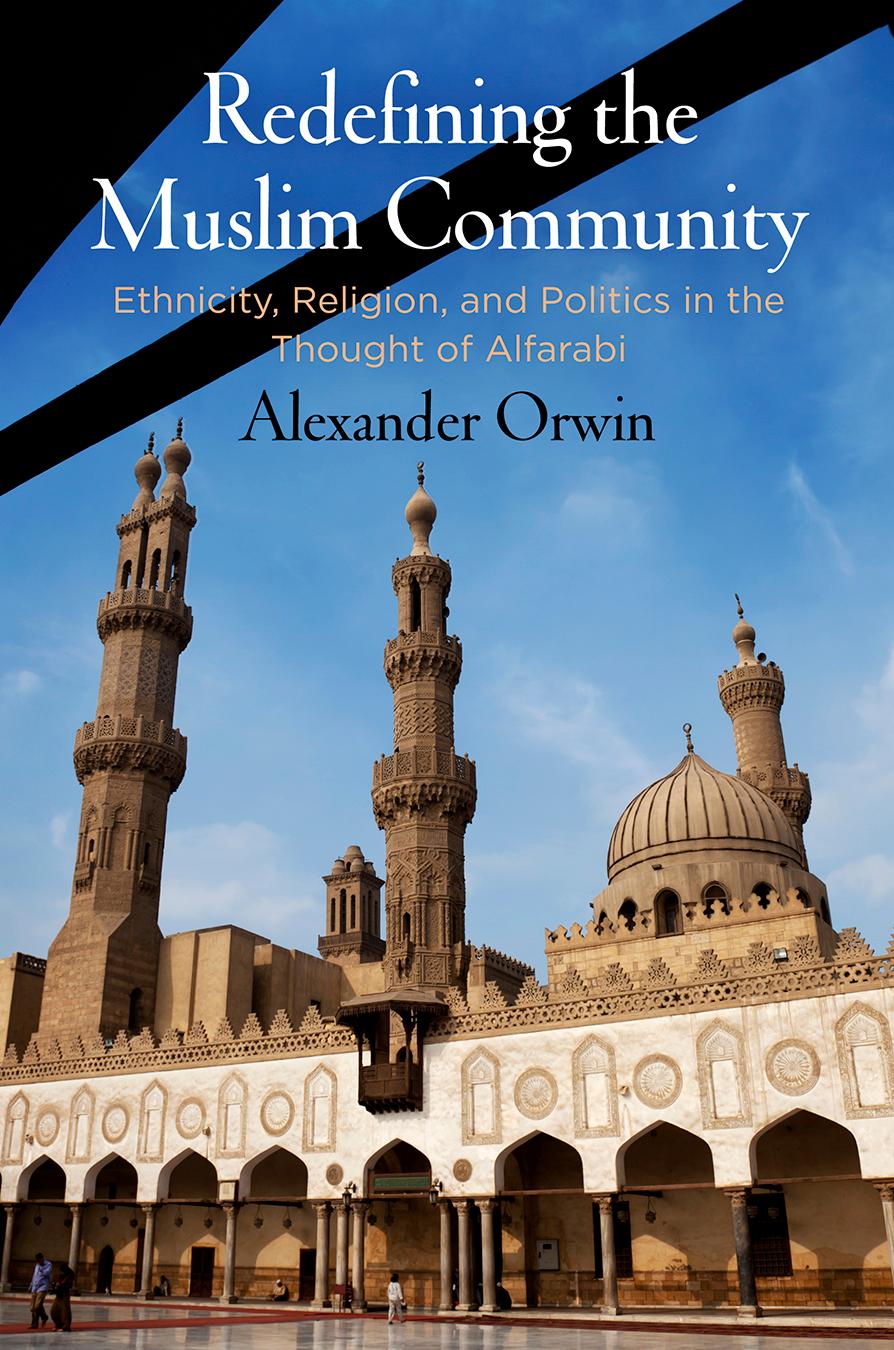
Writing in the cosmopolitan metropolis of Baghdad, Alfarabi (870-950) is unique in the history of premodern political philosophy for his extensive discussion of the nation, or Umma in Arabic. The term Umma may be traced back to the Qur'ān and signifies, then and now, both the Islamic religious community as a whole and the various ethnic nations of which that community is composed, such as the Turks, Persians, and Arabs. Examining Alfarabi's political writings as well as parts of his logical commentaries, his book on music, and other treatises, Alexander Orwin contends that the connections and tensions between ethnic and religious Ummas explored by Alfarabi in his time persist today in the ongoing political and cultural disputes among the various nationalities within Islam.
According to Orwin, Alfarabi strove to recast the Islamic Umma as a community in both a religious and cultural sense, encompassing art and poetry as well as law and piety. By proposing to acknowledge and accommodate diverse Ummas rather than ignoring or suppressing them, Alfarabi anticipated the contemporary concept of "Islamic civilization," which emphasizes culture at least as much as religion. Enlisting language experts, jurists, theologians, artists, and rulers in his philosophic enterprise, Alfarabi argued for a new Umma that would be less rigid and more creative than the Muslim community as it has often been understood, and therefore less inclined to force disparate ethnic and religious communities into a single mold. Redefining the Muslim Community demonstrates how Alfarabi's judicious combination of cultural pluralism, religious flexibility, and political prudence could provide a blueprint for reducing communal strife in a region that continues to be plagued by it today.
Before Memmo my notes were scattered across PDFs. Now a workspace pulls everything into one place — I see exactly what's still left to study.
Memmo's summaries are gold before exams. I don't have to re-read 800 pages two weeks before — just the important parts.
The AI chat has saved me the night before an exam more than once. I just keep asking until I get it — no waiting on a study group to reply.
The quizzes hit exactly what I need to know. Memmo tracks what I get stuck on — so I only practice what's worth it.
Flashcards with spaced repetition are magic. Memmo knows when I'm about to forget something and brings it back.
The AI podcasts are my favorite. I listen on my way to school and get a recap without sitting at a computer.

Handbok i kvalitativa metoder
281 kr

Hållbar utveckling: en introduktion för ingenjörer och andra problemlösare
334 kr

Brymans Samhällsvetenskapliga metoder
390 kr

Projektledning
491 kr

Den orättvisa hälsan: om socioekonomiska skillnader i hälsa och livslängd
326 kr

Vetenskapsteori för nybörjare
196 kr

Organizational Leadership
429 kr

På väg mot läraryrket
172 kr

Det sociala livet i skolan: Socialpsykologiska perspektiv
253 kr

Betygsättningens didaktik
151 kr

Personality
402 kr

Studying Leadership
404 kr

Managing Innovation
477 kr

Introduktion till samhällsvetenskaplig metod
347 kr

The Psychology of Sex and Gender
698 kr

Evidens och kunskap för socialt arbete
207 kr

Introduction to Leadership
605 kr