
Before Memmo my notes were scattered across PDFs. Now a workspace pulls everything into one place — I see exactly what's still left to study.
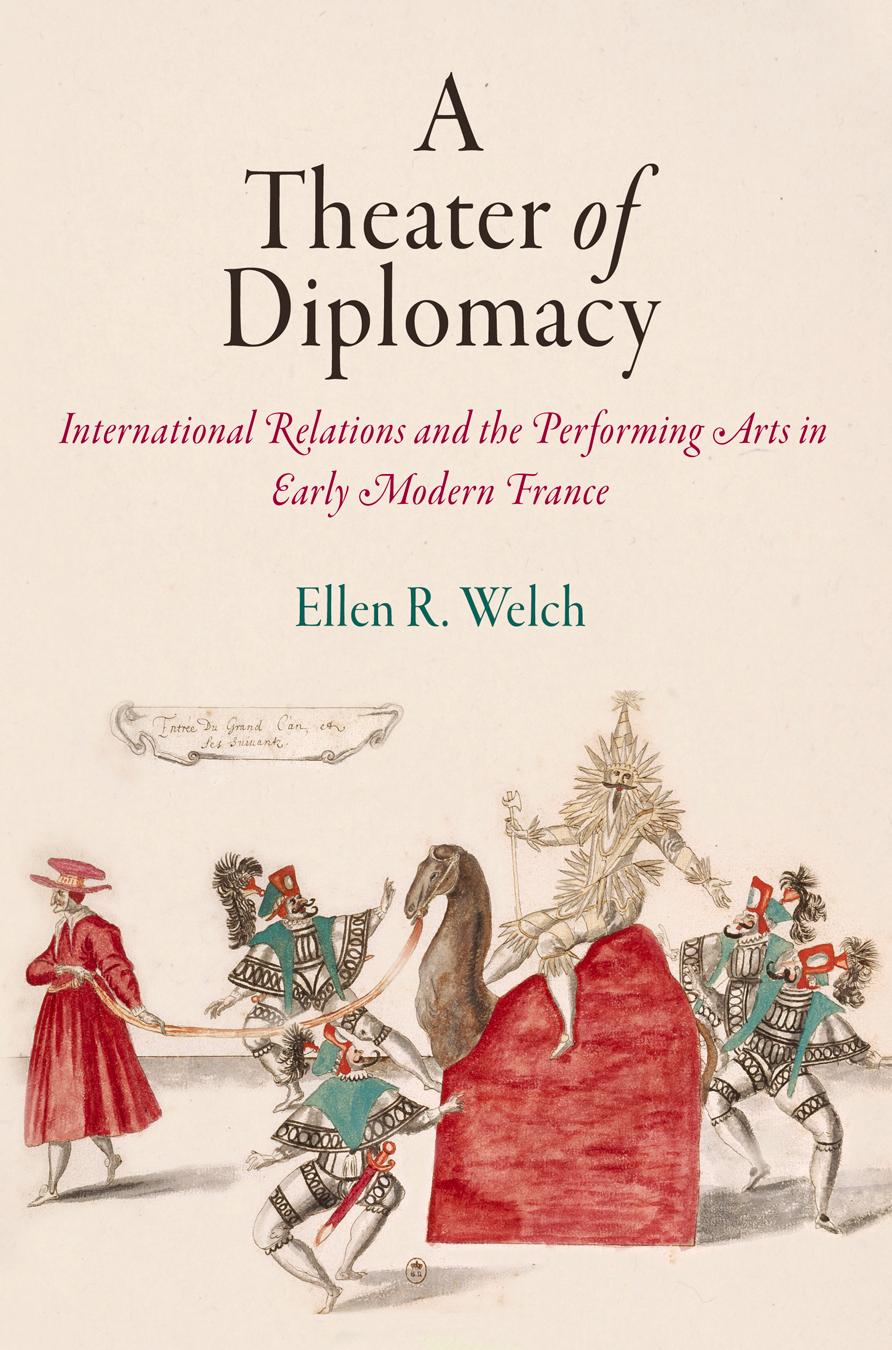
The seventeenth-century French diplomat François de Callières once wrote that "an ambassador resembles in some way an actor exposed on the stage to the eyes of the public in order to play great roles." The comparison of the diplomat to an actor became commonplace as the practice of diplomacy took hold in early modern Europe. More than an abstract metaphor, it reflected the rich culture of spectacular entertainment that was a backdrop to emissaries' day-to-day lives. Royal courts routinely honored visiting diplomats or celebrated treaty negotiations by staging grandiose performances incorporating dance, music, theater, poetry, and pageantry. These entertainments—allegorical ballets, masquerade balls, chivalric tournaments, operas, and comedies—often addressed pertinent themes such as war, peace, and international unity in their subject matter. In both practice and content, the extravagant exhibitions were fully intertwined with the culture of diplomacy. But exactly what kind of diplomatic work did these spectacles perform?
Ellen R. Welch contends that the theatrical and performing arts had a profound influence on the development of modern diplomatic practices in early modern Europe. Using France as a case study, Welch explores the interconnected histories of international relations and the theatrical and performing arts. Her book argues that theater served not merely as a decorative accompaniment to negotiations, but rather underpinned the practices of embodied representation, performance, and spectatorship that constituted the culture of diplomacy in this period. Through its examination of the early modern precursors to today's cultural diplomacy initiatives, her book investigates the various ways in which performance structures international politics still.
Before Memmo my notes were scattered across PDFs. Now a workspace pulls everything into one place — I see exactly what's still left to study.
Memmo's summaries are gold before exams. I don't have to re-read 800 pages two weeks before — just the important parts.
The AI chat has saved me the night before an exam more than once. I just keep asking until I get it — no waiting on a study group to reply.
The quizzes hit exactly what I need to know. Memmo tracks what I get stuck on — so I only practice what's worth it.
Flashcards with spaced repetition are magic. Memmo knows when I'm about to forget something and brings it back.
The AI podcasts are my favorite. I listen on my way to school and get a recap without sitting at a computer.

Handbok i kvalitativa metoder
281 kr

Hållbar utveckling: en introduktion för ingenjörer och andra problemlösare
334 kr

Brymans Samhällsvetenskapliga metoder
390 kr

Projektledning
491 kr

Den orättvisa hälsan: om socioekonomiska skillnader i hälsa och livslängd
326 kr

Vetenskapsteori för nybörjare
196 kr

Organizational Leadership
429 kr

På väg mot läraryrket
172 kr

Det sociala livet i skolan: Socialpsykologiska perspektiv
253 kr

Betygsättningens didaktik
151 kr

Personality
402 kr

Studying Leadership
404 kr

Managing Innovation
477 kr

Introduktion till samhällsvetenskaplig metod
347 kr

The Psychology of Sex and Gender
698 kr

Evidens och kunskap för socialt arbete
207 kr

Introduction to Leadership
605 kr