
Before Memmo my notes were scattered across PDFs. Now a workspace pulls everything into one place — I see exactly what's still left to study.
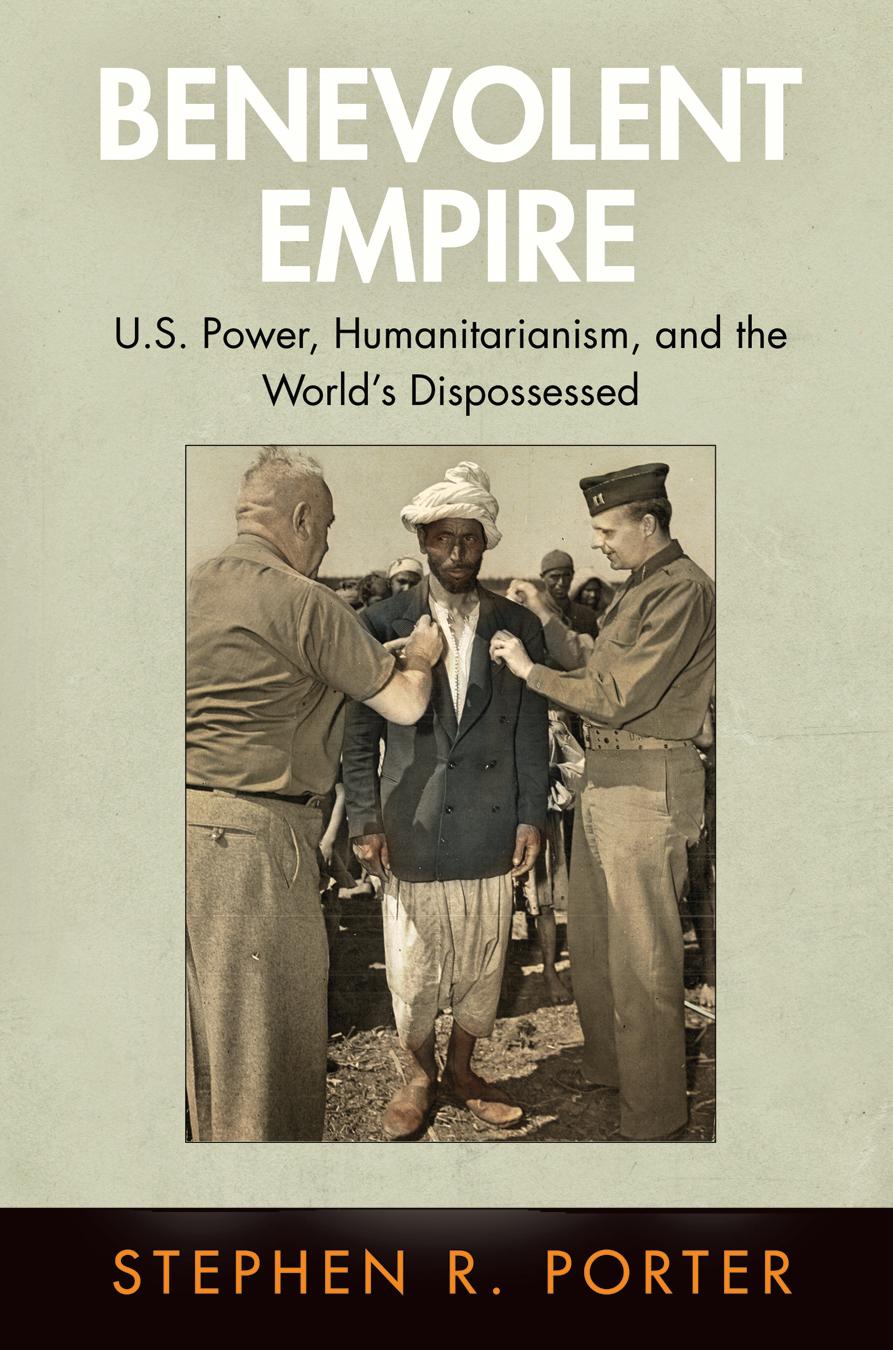
Stephen Porter's Benevolent Empire examines political-refugee aid initiatives and related humanitarian endeavors led by American people and institutions from World War I through the Cold War, opening an important window onto the "short American century." Chronicling both international relief efforts and domestic resettlement programs aimed at dispossessed people from Europe, Latin America, and East Asia, Porter asks how, why, and with what effects American actors took responsibility for millions of victims of war, persecution, and political upheaval during these decades. Diverse forces within the American state and civil society directed these endeavors through public-private governing arrangements, a dynamic yielding both benefits and liabilities. Motivated by a variety of geopolitical, ethical, and cultural reasons, these advocates for humanitarian action typically shared a desire to portray the United States, to the American people and international audiences, as an exceptional, benevolent world power whose objects of concern might potentially include any vulnerable people across the globe. And though reality almost always fell short of that idealized vision, Porter argues that this omnivorous philanthropic energy helped propel and steer the ascendance of the United States to its position of elite global power.
The messaging and administration of refugee aid initiatives informed key dimensions of American and international history during this period, including U.S. foreign relations, international humanitarianism and human rights, global migration and citizenship, and American political development and social relations at home. Benevolent Empire is thus simultaneously a history of the United States and the world beyond.
Before Memmo my notes were scattered across PDFs. Now a workspace pulls everything into one place — I see exactly what's still left to study.
Memmo's summaries are gold before exams. I don't have to re-read 800 pages two weeks before — just the important parts.
The AI chat has saved me the night before an exam more than once. I just keep asking until I get it — no waiting on a study group to reply.
The quizzes hit exactly what I need to know. Memmo tracks what I get stuck on — so I only practice what's worth it.
Flashcards with spaced repetition are magic. Memmo knows when I'm about to forget something and brings it back.
The AI podcasts are my favorite. I listen on my way to school and get a recap without sitting at a computer.

Handbok i kvalitativa metoder
281 kr

Hållbar utveckling: en introduktion för ingenjörer och andra problemlösare
334 kr

Brymans Samhällsvetenskapliga metoder
390 kr

Projektledning
491 kr

Den orättvisa hälsan: om socioekonomiska skillnader i hälsa och livslängd
326 kr

Organizational Leadership
429 kr

Vetenskapsteori för nybörjare
196 kr

På väg mot läraryrket
172 kr

Det sociala livet i skolan: Socialpsykologiska perspektiv
253 kr

Betygsättningens didaktik
151 kr

Personality
402 kr

Studying Leadership
404 kr

Managing Innovation
477 kr

Introduktion till samhällsvetenskaplig metod
347 kr

The Psychology of Sex and Gender
698 kr

Evidens och kunskap för socialt arbete
207 kr

Introduction to Leadership
605 kr