
Before Memmo my notes were scattered across PDFs. Now a workspace pulls everything into one place — I see exactly what's still left to study.
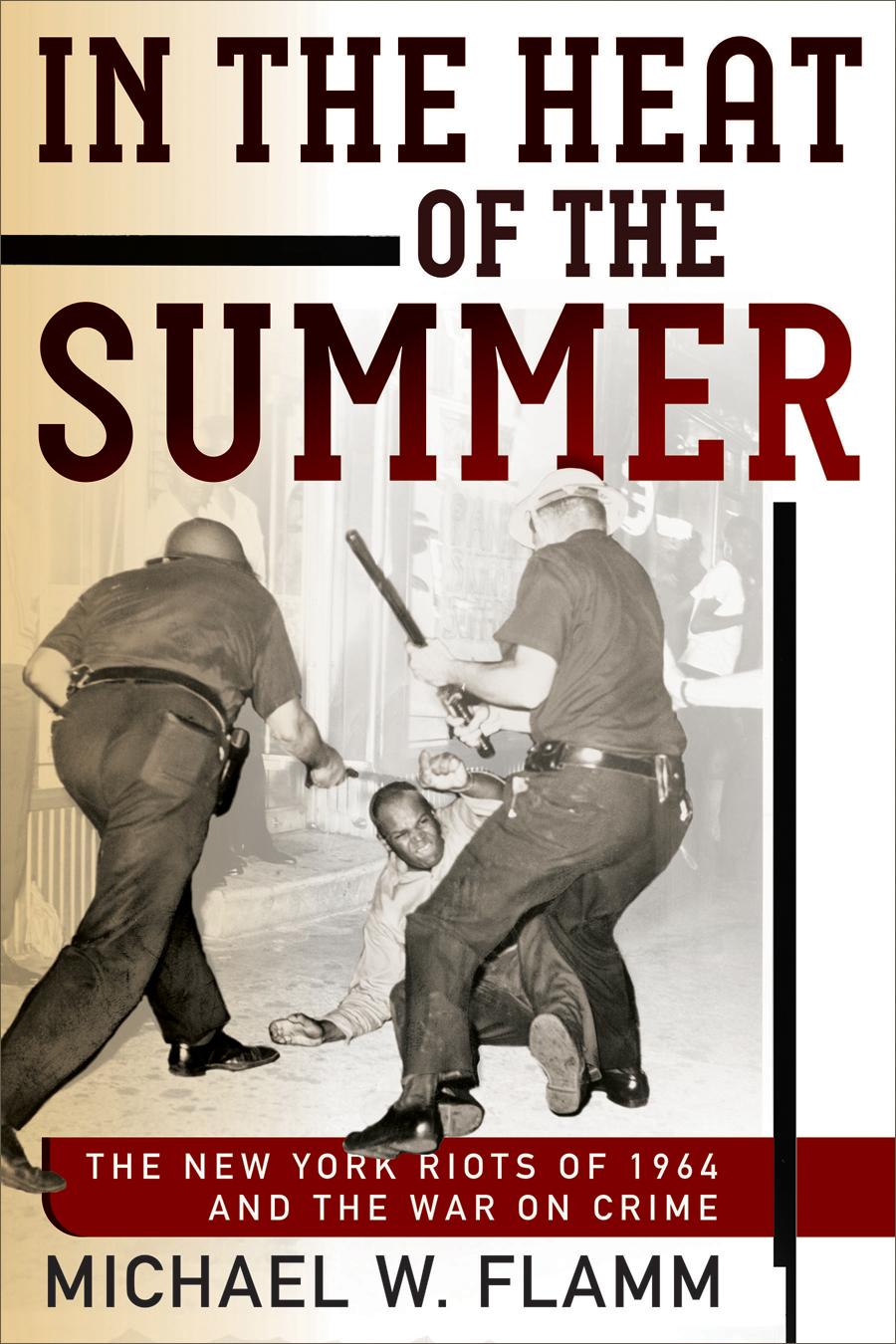
On the morning of July 16, 1964, a white police officer in New York City shot and killed a black teenager, James Powell, across the street from the high school where he was attending summer classes. Two nights later, a peaceful demonstration in Central Harlem degenerated into violent protests. During the next week, thousands of rioters looted stores from Brooklyn to Rochester and pelted police with bottles and rocks. In the symbolic and historic heart of black America, the Harlem Riot of 1964, as most called it, highlighted a new dynamic in the racial politics of the nation. The first "long, hot summer" of the Sixties had arrived.
In this gripping narrative of a pivotal moment, Michael W. Flamm draws on personal interviews and delves into the archives to move briskly from the streets of New York, where black activists like Bayard Rustin tried in vain to restore peace, to the corridors of the White House, where President Lyndon Johnson struggled to contain the fallout from the crisis and defeat Republican challenger Barry Goldwater, who had made "crime in the streets" a centerpiece of his campaign. Recognizing the threat to his political future and the fragile alliance of black and white liberals, Johnson promised that the War on Poverty would address the "root causes" of urban disorder. A year later, he also launched the War on Crime, which widened the federal role in law enforcement and set the stage for the War on Drugs.
Today James Powell is forgotten amid the impassioned debates over the militarization of policing and the harmful impact of mass incarceration on minority communities. But his death was a catalyst for the riots in New York, which in turn foreshadowed future explosions and influenced the political climate for the crime and drug policies of recent decades. In the Heat of the Summer spotlights the extraordinary drama of a single week when peaceful protests and violent unrest intersected, the freedom struggle reached a crossroads, and the politics of law and order led to demands for a War on Crime.
Before Memmo my notes were scattered across PDFs. Now a workspace pulls everything into one place — I see exactly what's still left to study.
Memmo's summaries are gold before exams. I don't have to re-read 800 pages two weeks before — just the important parts.
The AI chat has saved me the night before an exam more than once. I just keep asking until I get it — no waiting on a study group to reply.
The quizzes hit exactly what I need to know. Memmo tracks what I get stuck on — so I only practice what's worth it.
Flashcards with spaced repetition are magic. Memmo knows when I'm about to forget something and brings it back.
The AI podcasts are my favorite. I listen on my way to school and get a recap without sitting at a computer.

Handbok i kvalitativa metoder
281 kr

Hållbar utveckling: en introduktion för ingenjörer och andra problemlösare
334 kr

Brymans Samhällsvetenskapliga metoder
390 kr

Projektledning
491 kr

Den orättvisa hälsan: om socioekonomiska skillnader i hälsa och livslängd
326 kr

Vetenskapsteori för nybörjare
196 kr

Organizational Leadership
429 kr

På väg mot läraryrket
172 kr

Det sociala livet i skolan: Socialpsykologiska perspektiv
253 kr

Betygsättningens didaktik
151 kr

Personality
402 kr

Studying Leadership
404 kr

Managing Innovation
477 kr

Introduktion till samhällsvetenskaplig metod
347 kr

The Psychology of Sex and Gender
698 kr

Evidens och kunskap för socialt arbete
207 kr

Introduction to Leadership
605 kr