
Before Memmo my notes were scattered across PDFs. Now a workspace pulls everything into one place — I see exactly what's still left to study.
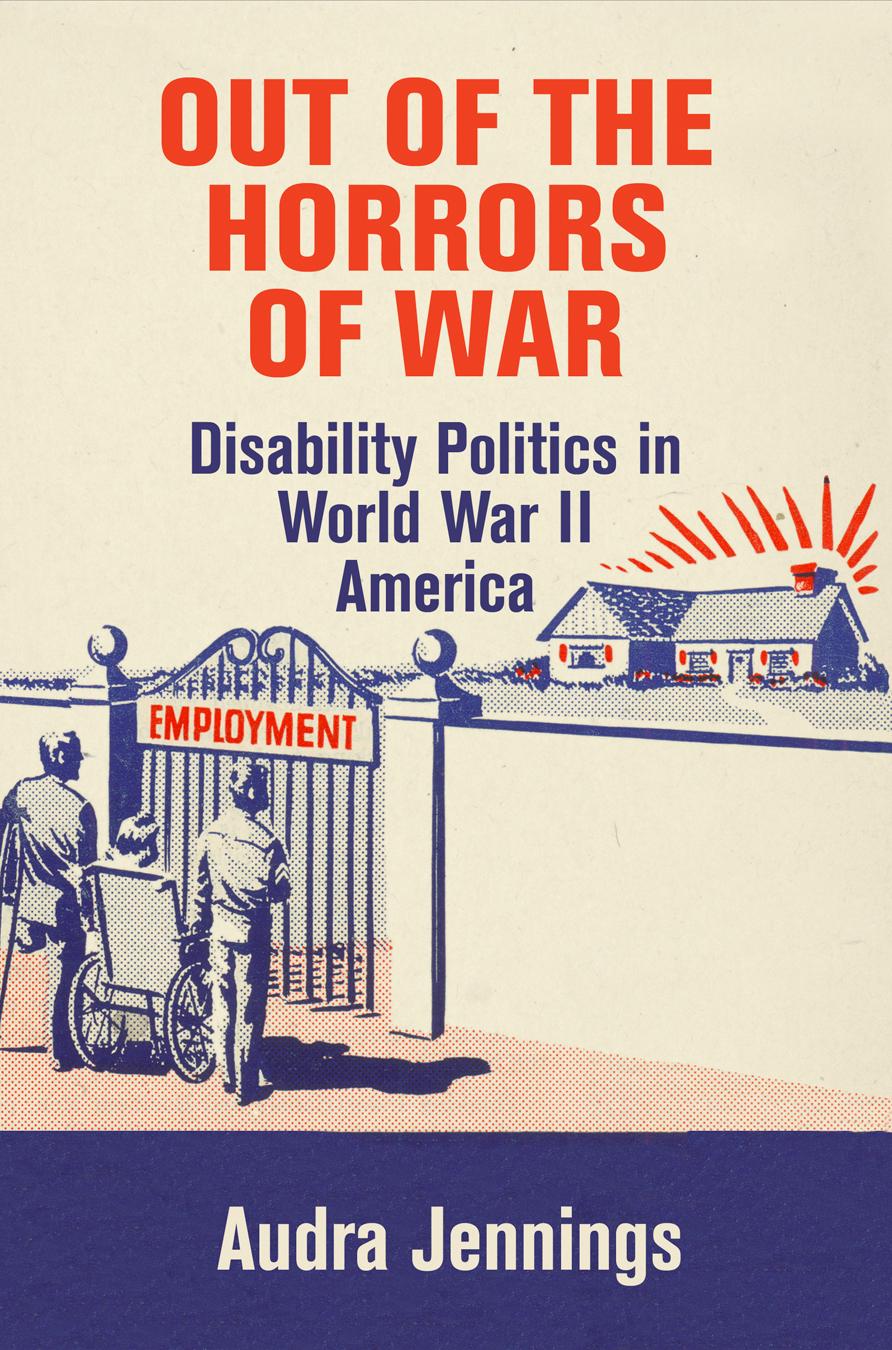
From workplace accidents to polio epidemics and new waves of immigration to the returning veterans of World War II, the first half of the twentieth century brought the issue of disability—what it was, what it meant, and how to address it—into national focus. Out of the Horrors of War: Disability Politics in World War II America explores the history of disability activism, concentrating on the American Federation of the Physically Handicapped (AFPH), a national, cross-disability organization founded during World War II to address federal disability policy. Unlike earlier disability groups, which had been organized around specific disabilities or shared military experience, AFPH brought thousands of disabled citizens and veterans into the national political arena, demanding equal access to economic security and full citizenship. At its core, the AFPH legislative campaign pushed the federal government to move disabled citizens from the margins to the center of the welfare state.
Through extensive archival research, Audra Jennings examines the history of AFPH and its enduring legacy in the disability rights movement. Counter to most narratives that place the inception of disability activism in the 1970s, Jennings argues that the disability rights movement is firmly rooted in the politics of World War II. In the years immediately following the war, leaders in AFPH worked with organized labor movements to advocate for an ambitious political agenda, including employer education campaigns, a federal pension program, improved access to healthcare and education, and an affirmative action program for disabled workers. Out of the Horrors of War extends the arc of the disability rights movement into the 1940s and traces how its terms of inclusion influenced the movement for decades after, leading up to the Americans with Disabilities Act of 1990.
Before Memmo my notes were scattered across PDFs. Now a workspace pulls everything into one place — I see exactly what's still left to study.
Memmo's summaries are gold before exams. I don't have to re-read 800 pages two weeks before — just the important parts.
The AI chat has saved me the night before an exam more than once. I just keep asking until I get it — no waiting on a study group to reply.
The quizzes hit exactly what I need to know. Memmo tracks what I get stuck on — so I only practice what's worth it.
Flashcards with spaced repetition are magic. Memmo knows when I'm about to forget something and brings it back.
The AI podcasts are my favorite. I listen on my way to school and get a recap without sitting at a computer.

Handbok i kvalitativa metoder
281 kr

Hållbar utveckling: en introduktion för ingenjörer och andra problemlösare
334 kr

Brymans Samhällsvetenskapliga metoder
390 kr

Projektledning
491 kr

Den orättvisa hälsan: om socioekonomiska skillnader i hälsa och livslängd
326 kr

Vetenskapsteori för nybörjare
196 kr

Organizational Leadership
429 kr

På väg mot läraryrket
172 kr

Det sociala livet i skolan: Socialpsykologiska perspektiv
253 kr

Betygsättningens didaktik
151 kr

Personality
402 kr

Studying Leadership
404 kr

Managing Innovation
477 kr

Introduktion till samhällsvetenskaplig metod
347 kr

The Psychology of Sex and Gender
698 kr

Evidens och kunskap för socialt arbete
207 kr

Introduction to Leadership
605 kr