
Before Memmo my notes were scattered across PDFs. Now a workspace pulls everything into one place — I see exactly what's still left to study.
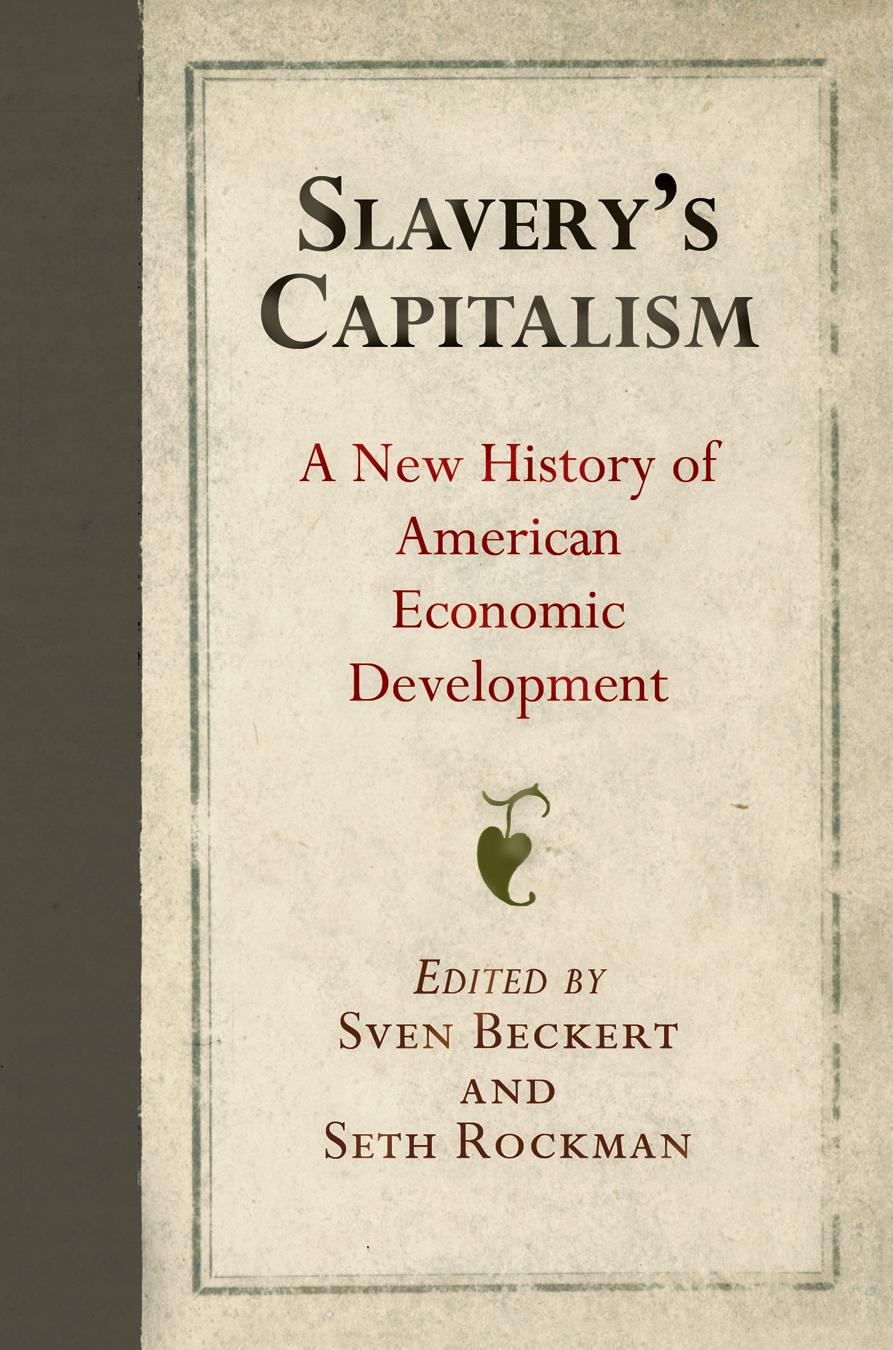
During the nineteenth century, the United States entered the ranks of the world's most advanced and dynamic economies. At the same time, the nation sustained an expansive and brutal system of human bondage. This was no mere coincidence. Slavery's Capitalism argues for slavery's centrality to the emergence of American capitalism in the decades between the Revolution and the Civil War. According to editors Sven Beckert and Seth Rockman, the issue is not whether slavery itself was or was not capitalist but, rather, the impossibility of understanding the nation's spectacular pattern of economic development without situating slavery front and center. American capitalism—renowned for its celebration of market competition, private property, and the self-made man—has its origins in an American slavery predicated on the abhorrent notion that human beings could be legally owned and compelled to work under force of violence.
Drawing on the expertise of sixteen scholars who are at the forefront of rewriting the history of American economic development, Slavery's Capitalism identifies slavery as the primary force driving key innovations in entrepreneurship, finance, accounting, management, and political economy that are too often attributed to the so-called free market. Approaching the study of slavery as the originating catalyst for the Industrial Revolution and modern capitalism casts new light on American credit markets, practices of offshore investment, and understandings of human capital. Rather than seeing slavery as outside the institutional structures of capitalism, the essayists recover slavery's importance to the American economic past and prompt enduring questions about the relationship of market freedom to human freedom.
Contributors: Edward E. Baptist, Sven Beckert, Daina Ramey Berry, Kathryn Boodry, Alfred L. Brophy, Stephen Chambers, Eric Kimball, John Majewski, Bonnie Martin, Seth Rockman, Daniel B. Rood, Caitlin Rosenthal, Joshua D. Rothman, Calvin Schermerhorn, Andrew Shankman, Craig Steven Wilder.
Before Memmo my notes were scattered across PDFs. Now a workspace pulls everything into one place — I see exactly what's still left to study.
Memmo's summaries are gold before exams. I don't have to re-read 800 pages two weeks before — just the important parts.
The AI chat has saved me the night before an exam more than once. I just keep asking until I get it — no waiting on a study group to reply.
The quizzes hit exactly what I need to know. Memmo tracks what I get stuck on — so I only practice what's worth it.
Flashcards with spaced repetition are magic. Memmo knows when I'm about to forget something and brings it back.
The AI podcasts are my favorite. I listen on my way to school and get a recap without sitting at a computer.

Handbok i kvalitativa metoder
281 kr

Hållbar utveckling: en introduktion för ingenjörer och andra problemlösare
334 kr

Brymans Samhällsvetenskapliga metoder
390 kr

Projektledning
491 kr

Den orättvisa hälsan: om socioekonomiska skillnader i hälsa och livslängd
326 kr

Organizational Leadership
429 kr

Vetenskapsteori för nybörjare
196 kr

På väg mot läraryrket
172 kr

Det sociala livet i skolan: Socialpsykologiska perspektiv
253 kr

Betygsättningens didaktik
151 kr

Personality
402 kr

Studying Leadership
404 kr

Managing Innovation
477 kr

Introduktion till samhällsvetenskaplig metod
347 kr

The Psychology of Sex and Gender
698 kr

Evidens och kunskap för socialt arbete
207 kr

Introduction to Leadership
605 kr