
Before Memmo my notes were scattered across PDFs. Now a workspace pulls everything into one place — I see exactly what's still left to study.
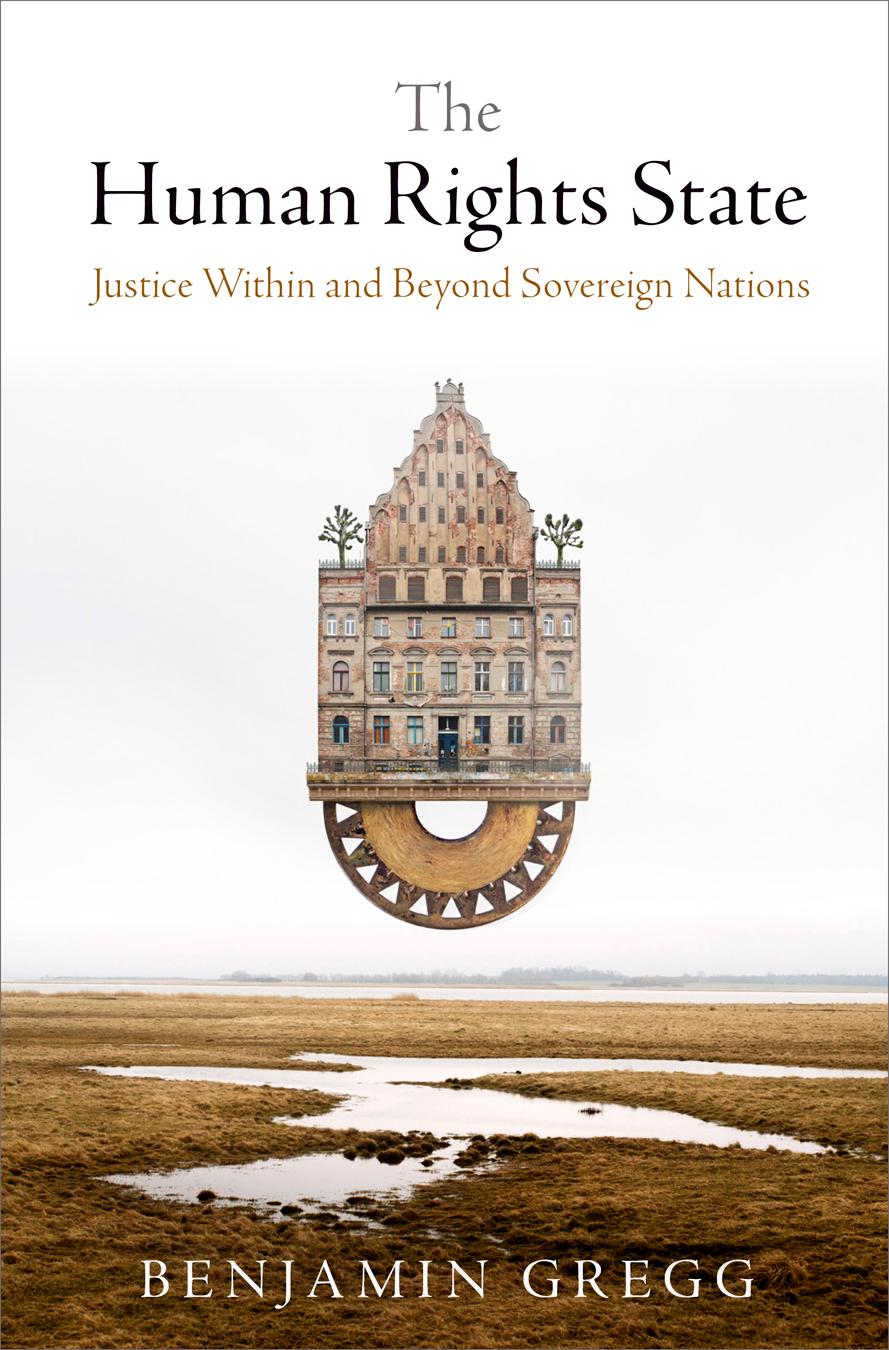
The nation state operates on a logic of exclusion: no state can offer citizenship and legal rights to all comers. From the logic of exclusion a state derives its sovereign power. Yet this exclusivity undermines the project of advancing human rights globally. That project operates on a logic of inclusion: all people, regardless of citizenship status or territorial location, would everywhere be recognized as bearers of human rights. In practice, human rights are afforded, if at all, then only to citizens of those few states that sometimes regard human rights as moral necessities of domestic commitments—or for states that find that stance politically expedient for the moment.
This discouraging reality in the first decades of the twenty-first century prompts the question: What political arrangement might better conduce the local embrace and enduring practice of human rights? In The Human Rights State, Benjamin Gregg challenges the conviction that the nation state can only have a zero-sum relationship with human rights: national sovereignty is possible or human rights are possible, but not both, not in the same place, at the same time. He argues that the human rights project would be more effective if established and enforced at local levels as locally valid norms, and from there encouraged to expand outward toward overlaps with other locally established and enforced conceptions of human rights grown in their own local soils.
Proposing a metaphorical human rights state that operates within or alongside a nation state, Gregg describes networks of activists that encourage local political and legal systems to generate domestic obligations to enforce human rights. Geographic boundaries and national sovereignties would remain intact but diminished to the extent necessary to extend human rights to all persons, without reservation, across national borders, by rendering human rights an integral aspect of the nation state's constitution.
Before Memmo my notes were scattered across PDFs. Now a workspace pulls everything into one place — I see exactly what's still left to study.
Memmo's summaries are gold before exams. I don't have to re-read 800 pages two weeks before — just the important parts.
The AI chat has saved me the night before an exam more than once. I just keep asking until I get it — no waiting on a study group to reply.
The quizzes hit exactly what I need to know. Memmo tracks what I get stuck on — so I only practice what's worth it.
Flashcards with spaced repetition are magic. Memmo knows when I'm about to forget something and brings it back.
The AI podcasts are my favorite. I listen on my way to school and get a recap without sitting at a computer.

Handbok i kvalitativa metoder
281 kr

Hållbar utveckling: en introduktion för ingenjörer och andra problemlösare
334 kr

Brymans Samhällsvetenskapliga metoder
390 kr

Projektledning
491 kr

Den orättvisa hälsan: om socioekonomiska skillnader i hälsa och livslängd
326 kr

Vetenskapsteori för nybörjare
196 kr

Organizational Leadership
429 kr

På väg mot läraryrket
172 kr

Det sociala livet i skolan: Socialpsykologiska perspektiv
253 kr

Betygsättningens didaktik
151 kr

Personality
402 kr

Studying Leadership
404 kr

Managing Innovation
477 kr

Introduktion till samhällsvetenskaplig metod
347 kr

The Psychology of Sex and Gender
698 kr

Evidens och kunskap för socialt arbete
207 kr

Introduction to Leadership
605 kr