
Before Memmo my notes were scattered across PDFs. Now a workspace pulls everything into one place — I see exactly what's still left to study.
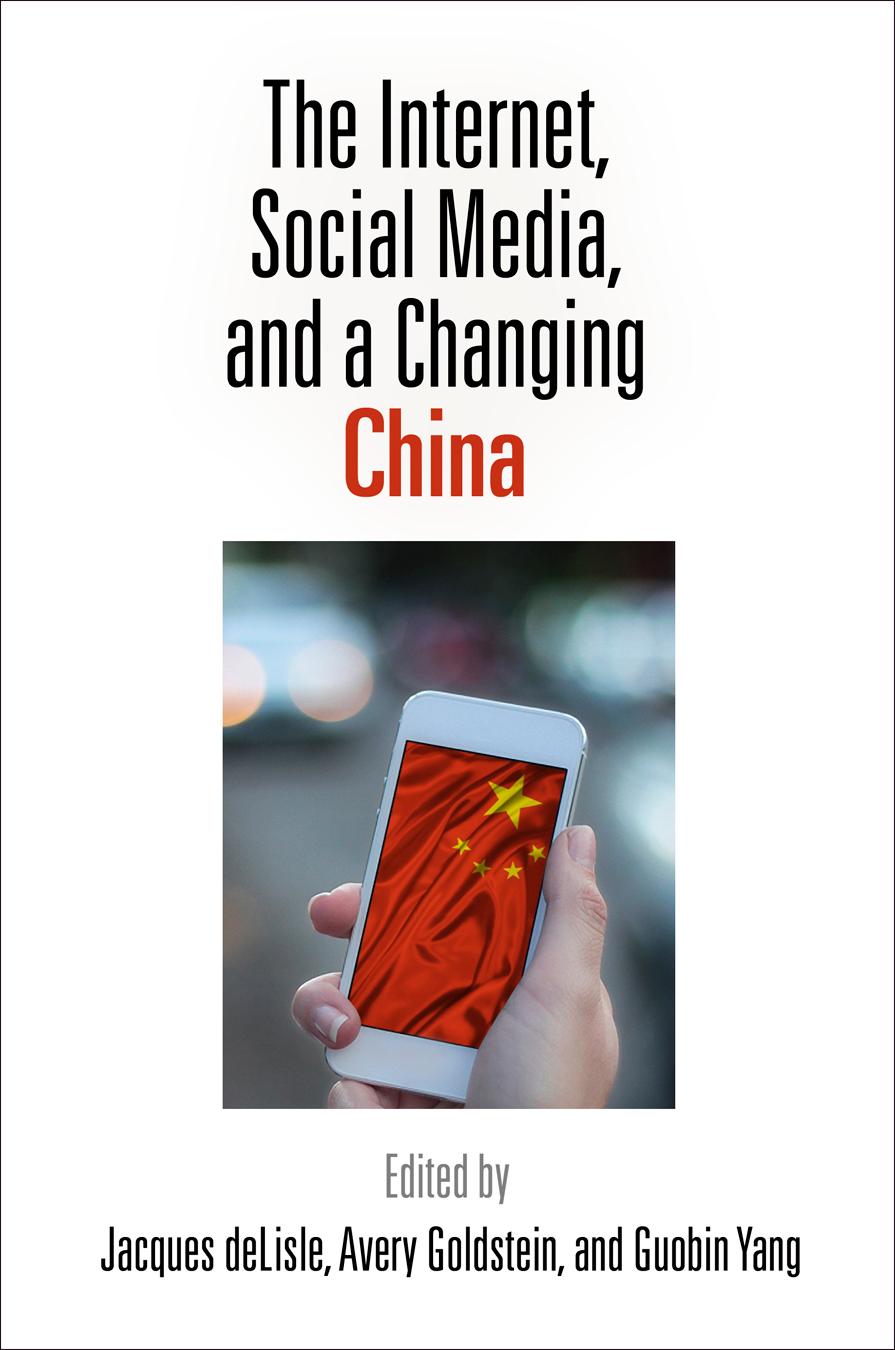
The Internet and social media are pervasive and transformative forces in contemporary China. Nearly half of China's 1.3 billion citizens use the Internet, and tens of millions use Sina Weibo, a platform similar to Twitter or Facebook. Recently, Weixin/Wechat has become another major form of social media. While these services have allowed regular people to share information and opinions as never before, they also have changed the ways in which the Chinese authorities communicate with the people they rule. China's party-state now invests heavily in speaking to Chinese citizens through the Internet and social media, as well as controlling the speech that occurs in that space. At the same time, those authorities are wary of the Internet's ability to undermine the ruling party's power, organize dissent, or foment disorder. Nevertheless, policy debates and public discourse in China now regularly occur online, to an extent unimaginable a decade or two ago, profoundly altering the fabric of China's civil society, legal affairs, internal politics, and foreign relations.
The Internet, Social Media, and a Changing China explores the changing relationship between China's cyberspace and its society, politics, legal system, and foreign relations. The chapters focus on three major policy areas—civil society, the roles of law, and the nationalist turn in Chinese foreign policy—and cover topics such as the Internet and authoritarianism, "uncivil society" online, empowerment through new media, civic engagement and digital activism, regulating speech in the age of the Internet, how the Internet affects public opinion, legal cases, and foreign policy, and how new media affects the relationship between Beijing and Chinese people abroad.
Contributors: Anne S. Y. Cheung, Rogier Creemers, Jacques deLisle, Avery Goldstein, Peter Gries, Min Jiang, Dalei Jie, Ya-Wen Lei, James Reilly, Zengzhi Shi, Derek Steiger, Marina Svensson, Wang Tao, Guobin Yang, Chuanjie Zhang, Daniel Xiaodan Zhou.
Before Memmo my notes were scattered across PDFs. Now a workspace pulls everything into one place — I see exactly what's still left to study.
Memmo's summaries are gold before exams. I don't have to re-read 800 pages two weeks before — just the important parts.
The AI chat has saved me the night before an exam more than once. I just keep asking until I get it — no waiting on a study group to reply.
The quizzes hit exactly what I need to know. Memmo tracks what I get stuck on — so I only practice what's worth it.
Flashcards with spaced repetition are magic. Memmo knows when I'm about to forget something and brings it back.
The AI podcasts are my favorite. I listen on my way to school and get a recap without sitting at a computer.

Handbok i kvalitativa metoder
281 kr

Hållbar utveckling: en introduktion för ingenjörer och andra problemlösare
334 kr

Brymans Samhällsvetenskapliga metoder
390 kr

Projektledning
491 kr

Den orättvisa hälsan: om socioekonomiska skillnader i hälsa och livslängd
326 kr

Vetenskapsteori för nybörjare
196 kr

Organizational Leadership
429 kr

På väg mot läraryrket
172 kr

Det sociala livet i skolan: Socialpsykologiska perspektiv
253 kr

Betygsättningens didaktik
151 kr

Personality
402 kr

Studying Leadership
404 kr

Managing Innovation
477 kr

Introduktion till samhällsvetenskaplig metod
347 kr

The Psychology of Sex and Gender
698 kr

Evidens och kunskap för socialt arbete
207 kr

Introduction to Leadership
605 kr