
Before Memmo my notes were scattered across PDFs. Now a workspace pulls everything into one place — I see exactly what's still left to study.
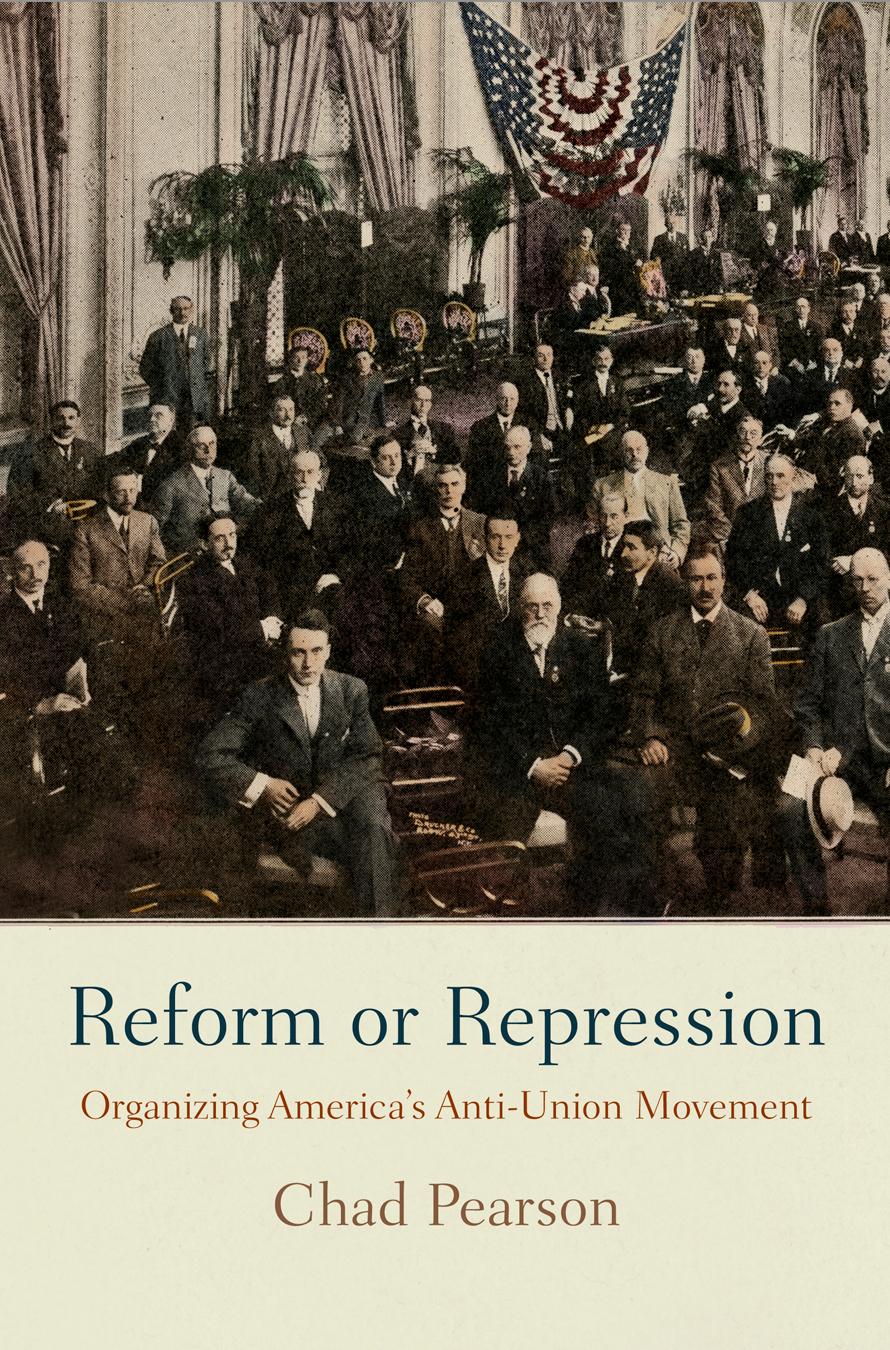
Historians have characterized the open-shop movement of the early twentieth century as a cynical attempt by business to undercut the labor movement by twisting the American ideals of independence and self-sufficiency to their own ends. The precursors to today's right-to-work movement, advocates of the open shop in the Progressive Era argued that honest workers should have the right to choose whether or not to join a union free from all pressure. At the same time, business owners systematically prevented unionization in their workplaces.
While most scholars portray union opponents as knee-jerk conservatives, Chad Pearson demonstrates that many open-shop proponents identified themselves as progressive reformers and benevolent guardians of America's economic and political institutions. By exploring the ways in which employers and their allies in journalism, law, politics, and religion drew attention to the reformist, rather than repressive, character of the open-shop movement, Pearson's book forces us to consider the origins, character, and limitations of this movement in new ways. Throughout his study, Pearson describes class tensions, noting that open-shop campaigns primarily benefited management and the nation's most economically privileged members at the expense of ordinary people.
Pearson's analysis of archives, trade journals, newspapers, speeches, and other primary sources elucidates the mentalities of his subjects and their times, rediscovering forgotten leaders and offering fresh perspectives on well-known figures such as Theodore Roosevelt, Louis Brandeis, Booker T. Washington and George Creel. Reform or Repression sheds light on businessmen who viewed strong urban-based employers' and citizens' associations, weak unions, and managerial benevolence as the key to their own, as well as the nation's, progress and prosperity.
Before Memmo my notes were scattered across PDFs. Now a workspace pulls everything into one place — I see exactly what's still left to study.
Memmo's summaries are gold before exams. I don't have to re-read 800 pages two weeks before — just the important parts.
The AI chat has saved me the night before an exam more than once. I just keep asking until I get it — no waiting on a study group to reply.
The quizzes hit exactly what I need to know. Memmo tracks what I get stuck on — so I only practice what's worth it.
Flashcards with spaced repetition are magic. Memmo knows when I'm about to forget something and brings it back.
The AI podcasts are my favorite. I listen on my way to school and get a recap without sitting at a computer.

Handbok i kvalitativa metoder
281 kr

Hållbar utveckling: en introduktion för ingenjörer och andra problemlösare
334 kr

Brymans Samhällsvetenskapliga metoder
390 kr

Projektledning
491 kr

Den orättvisa hälsan: om socioekonomiska skillnader i hälsa och livslängd
326 kr

Vetenskapsteori för nybörjare
196 kr

Organizational Leadership
429 kr

På väg mot läraryrket
172 kr

Det sociala livet i skolan: Socialpsykologiska perspektiv
253 kr

Betygsättningens didaktik
151 kr

Personality
402 kr

Studying Leadership
404 kr

Managing Innovation
477 kr

Introduktion till samhällsvetenskaplig metod
347 kr

The Psychology of Sex and Gender
698 kr

Evidens och kunskap för socialt arbete
207 kr

Introduction to Leadership
605 kr