
Before Memmo my notes were scattered across PDFs. Now a workspace pulls everything into one place — I see exactly what's still left to study.
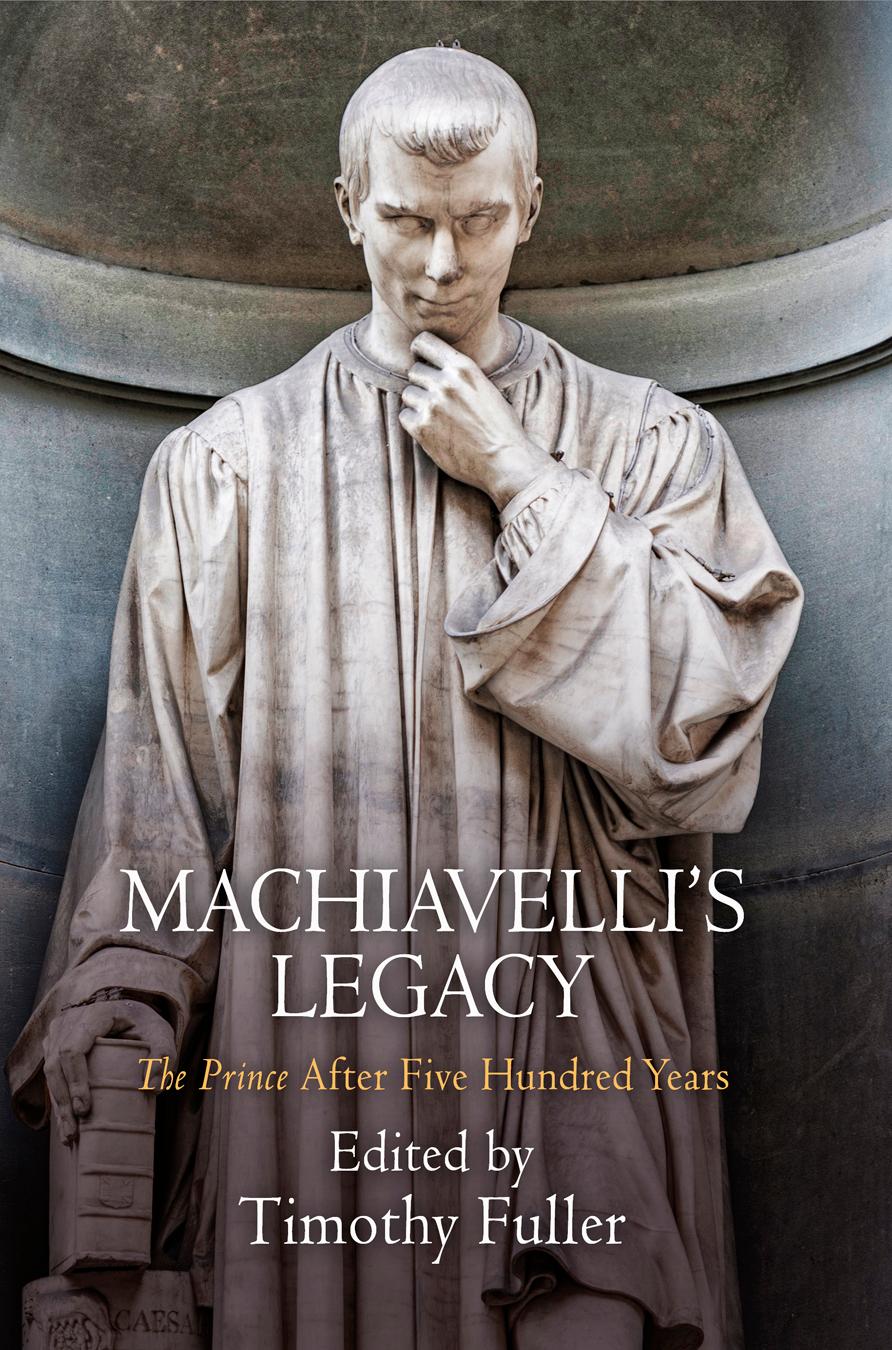
Niccolo Machiavelli's The Prince is one of the most celebrated and notorious books in the history of Western political thought. It continues to influence discussions of war and peace, the nature of politics, and the relation of private ethics to public duties. Ostensibly a sixteenth-century manual of instruction on certain aspects of princely rule and behavior, The Prince anticipates and complicates modern political and philosophical questions. What is the right order of society? Can Western politics still be the model for progress toward peace and prosperity, or does our freedom to create our individual purposes and pursuits undermine our public responsibilities? Are the characteristics of our politics markedly different, for better or for worse, than the politics of earlier eras? Machiavelli argues that there is no ideal, transcendent order to which one can conform, and that the right order is merely the one that has the capacity to persist over time. The Prince's emphasis on the importance of an effective truth over any abstract ideal marks it as one of the first works of modern political philosophy.
Machiavelli's Legacy situates Machiavelli in general and The Prince in particular at the birth of modernity. Joining the conversation with established Machiavelli scholars are political theorists, Americanists, and international relations scholars, ensuring a diversity of viewpoints and approaches. Each contributor elucidates different features of Machiavelli's thinking, from his rejection of classical antiquity and Christianity, to his proposed dissolution of natural roles and hierarchies among human beings. The essays cover topics such as Machiavelli's vision for a heaven-sent redemptive ruler of Italy, an argument that Machiavelli accomplished a profoundly democratic turn in political thought, and a tough-minded liberal critique of his realistic agenda for political life, resulting in a book that is, in effect, a spirited conversation about Machiavelli's legacy.
Contributors: Thomas E. Cronin, David Hendrickson, Harvey Mansfield, Clifford Orwin, Arlene Saxonhouse, Maurizio Viroli, David Wootton, Catherine Zuckert.
Before Memmo my notes were scattered across PDFs. Now a workspace pulls everything into one place — I see exactly what's still left to study.
Memmo's summaries are gold before exams. I don't have to re-read 800 pages two weeks before — just the important parts.
The AI chat has saved me the night before an exam more than once. I just keep asking until I get it — no waiting on a study group to reply.
The quizzes hit exactly what I need to know. Memmo tracks what I get stuck on — so I only practice what's worth it.
Flashcards with spaced repetition are magic. Memmo knows when I'm about to forget something and brings it back.
The AI podcasts are my favorite. I listen on my way to school and get a recap without sitting at a computer.

Handbok i kvalitativa metoder
281 kr

Hållbar utveckling: en introduktion för ingenjörer och andra problemlösare
334 kr

Brymans Samhällsvetenskapliga metoder
390 kr

Projektledning
491 kr

Den orättvisa hälsan: om socioekonomiska skillnader i hälsa och livslängd
326 kr

Vetenskapsteori för nybörjare
196 kr

Organizational Leadership
429 kr

På väg mot läraryrket
172 kr

Det sociala livet i skolan: Socialpsykologiska perspektiv
253 kr

Betygsättningens didaktik
151 kr

Personality
402 kr

Studying Leadership
404 kr

Managing Innovation
477 kr

Introduktion till samhällsvetenskaplig metod
347 kr

The Psychology of Sex and Gender
698 kr

Evidens och kunskap för socialt arbete
207 kr

Introduction to Leadership
605 kr