
Before Memmo my notes were scattered across PDFs. Now a workspace pulls everything into one place — I see exactly what's still left to study.
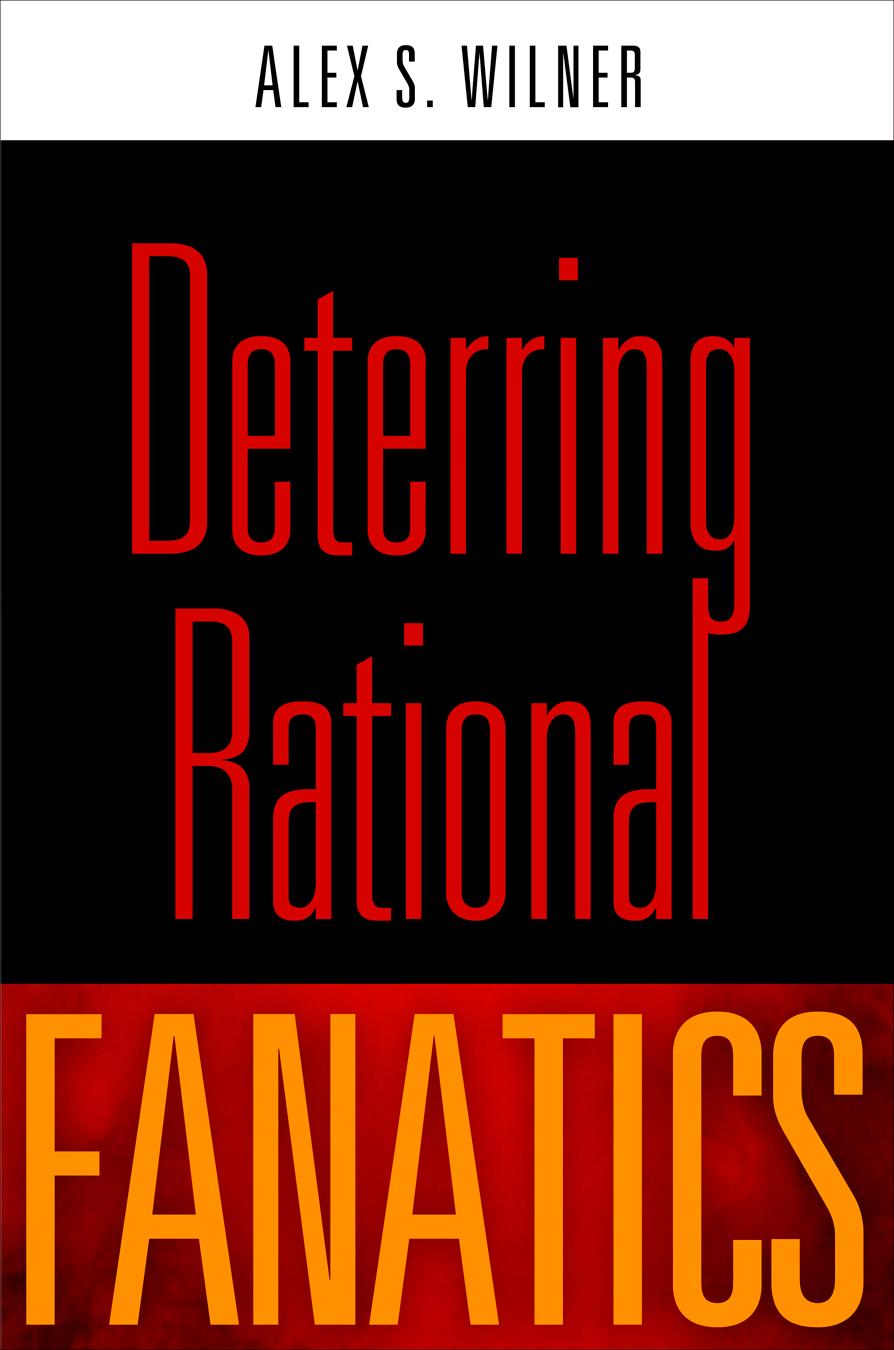
Cold War-era strategic thinking was driven by the belief that individuals, organizations, and foreign states could be deterred from offensive action by the threat of reprisal. That assurance was shaken with the terrorist attacks of September 11, 2001; suddenly, it seemed that no threat was powerful enough to deter individuals or organizations that valued political objectives over their own lives and the lives of their members. More than a decade later, new research and theory are bringing deterrence back into currency as a viable counterterrorism strategy. Alex S. Wilner updates deterrence theory for conflict in the twenty-first century, arguing for its value against challengers such as rogue states, cyber warriors, and transnational terrorist organizations.
Deterring Rational Fanatics provides a full-scale discussion of deterrence theory concepts and controversies, assessing the utility of relying on the logic of deterrence and coercion to counter contemporary terrorism. In particular, targeted killings directed against the Taliban of Afghanistan provide a vivid illustration of the impact deterrence can have on militant behavior: precision strikes that eliminate militant leaders represent a significant cost to planning and participating in political violence, a cost that can coerce, manipulate, and alter behavior. Though deterrence theory is not a panacea for terrorism, insurgency, or militancy, it can serve as a strategic guide for state responses; as Wilner shows, terrorist violence can indeed be deterred.
Before Memmo my notes were scattered across PDFs. Now a workspace pulls everything into one place — I see exactly what's still left to study.
Memmo's summaries are gold before exams. I don't have to re-read 800 pages two weeks before — just the important parts.
The AI chat has saved me the night before an exam more than once. I just keep asking until I get it — no waiting on a study group to reply.
The quizzes hit exactly what I need to know. Memmo tracks what I get stuck on — so I only practice what's worth it.
Flashcards with spaced repetition are magic. Memmo knows when I'm about to forget something and brings it back.
The AI podcasts are my favorite. I listen on my way to school and get a recap without sitting at a computer.

Handbok i kvalitativa metoder
281 kr

Hållbar utveckling: en introduktion för ingenjörer och andra problemlösare
334 kr

Brymans Samhällsvetenskapliga metoder
390 kr

Projektledning
491 kr

Den orättvisa hälsan: om socioekonomiska skillnader i hälsa och livslängd
326 kr

Organizational Leadership
429 kr

Vetenskapsteori för nybörjare
196 kr

På väg mot läraryrket
172 kr

Det sociala livet i skolan: Socialpsykologiska perspektiv
253 kr

Betygsättningens didaktik
151 kr

Personality
402 kr

Studying Leadership
404 kr

Managing Innovation
477 kr

Introduktion till samhällsvetenskaplig metod
347 kr

The Psychology of Sex and Gender
698 kr

Evidens och kunskap för socialt arbete
207 kr

Introduction to Leadership
605 kr