
Before Memmo my notes were scattered across PDFs. Now a workspace pulls everything into one place — I see exactly what's still left to study.
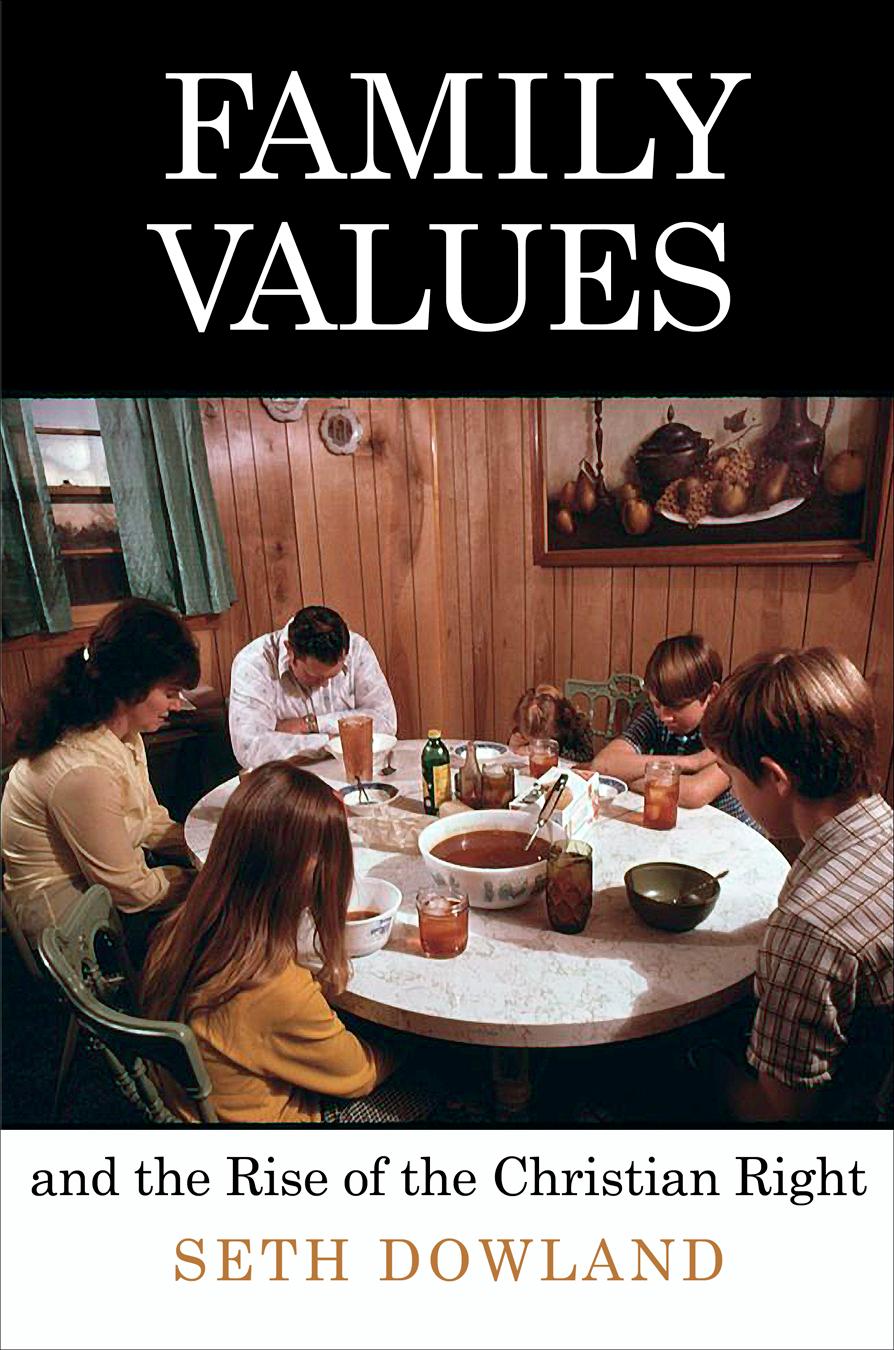
During the last three decades of the twentieth century, evangelical leaders and conservative politicians developed a political agenda that thrust "family values" onto the nation's consciousness. Ministers, legislators, and laypeople came together to fight abortion, gay rights, and major feminist objectives. They supported private Christian schools, home schooling, and a strong military. Family values leaders like Jerry Falwell, Phyllis Schlafly, Anita Bryant, and James Dobson became increasingly supportive of the Republican Party, which accommodated the language of family values in its platforms and campaigns. The family values agenda created a bond between evangelicalism and political conservatism.
Family Values and the Rise of the Christian Right chronicles how the family values agenda became so powerful in American political life and why it appealed to conservative evangelical Christians. Conservative evangelicals saw traditional gender norms as crucial in cultivating morality. They thought these gender norms would reaffirm the importance of clear lines of authority that the social revolutions of the 1960s had undermined. In the 1970s and 1980s, then, evangelicals founded Christian academies and developed homeschooling curricula that put conservative ideas about gender and authority front and center. Campaigns against abortion and feminism coalesced around a belief that God created women as wives and mothers—a belief that conservative evangelicals thought feminists and pro-choice advocates threatened. Likewise, Christian right leaders championed a particular vision of masculinity in their campaigns against gay rights and nuclear disarmament. Movements like the Promise Keepers called men to take responsibility for leading their families. Christian right political campaigns and pro-family organizations drew on conservative evangelical beliefs about men, women, children, and authority. These beliefs—known collectively as family values—became the most important religious agenda in late twentieth-century American politics.
Before Memmo my notes were scattered across PDFs. Now a workspace pulls everything into one place — I see exactly what's still left to study.
Memmo's summaries are gold before exams. I don't have to re-read 800 pages two weeks before — just the important parts.
The AI chat has saved me the night before an exam more than once. I just keep asking until I get it — no waiting on a study group to reply.
The quizzes hit exactly what I need to know. Memmo tracks what I get stuck on — so I only practice what's worth it.
Flashcards with spaced repetition are magic. Memmo knows when I'm about to forget something and brings it back.
The AI podcasts are my favorite. I listen on my way to school and get a recap without sitting at a computer.

Handbok i kvalitativa metoder
281 kr

Hållbar utveckling: en introduktion för ingenjörer och andra problemlösare
334 kr

Brymans Samhällsvetenskapliga metoder
390 kr

Projektledning
491 kr

Den orättvisa hälsan: om socioekonomiska skillnader i hälsa och livslängd
326 kr

Vetenskapsteori för nybörjare
196 kr

Organizational Leadership
429 kr

På väg mot läraryrket
172 kr

Det sociala livet i skolan: Socialpsykologiska perspektiv
253 kr

Betygsättningens didaktik
151 kr

Personality
402 kr

Studying Leadership
404 kr

Managing Innovation
477 kr

Introduktion till samhällsvetenskaplig metod
347 kr

The Psychology of Sex and Gender
698 kr

Evidens och kunskap för socialt arbete
207 kr

Introduction to Leadership
605 kr