
Before Memmo my notes were scattered across PDFs. Now a workspace pulls everything into one place — I see exactly what's still left to study.
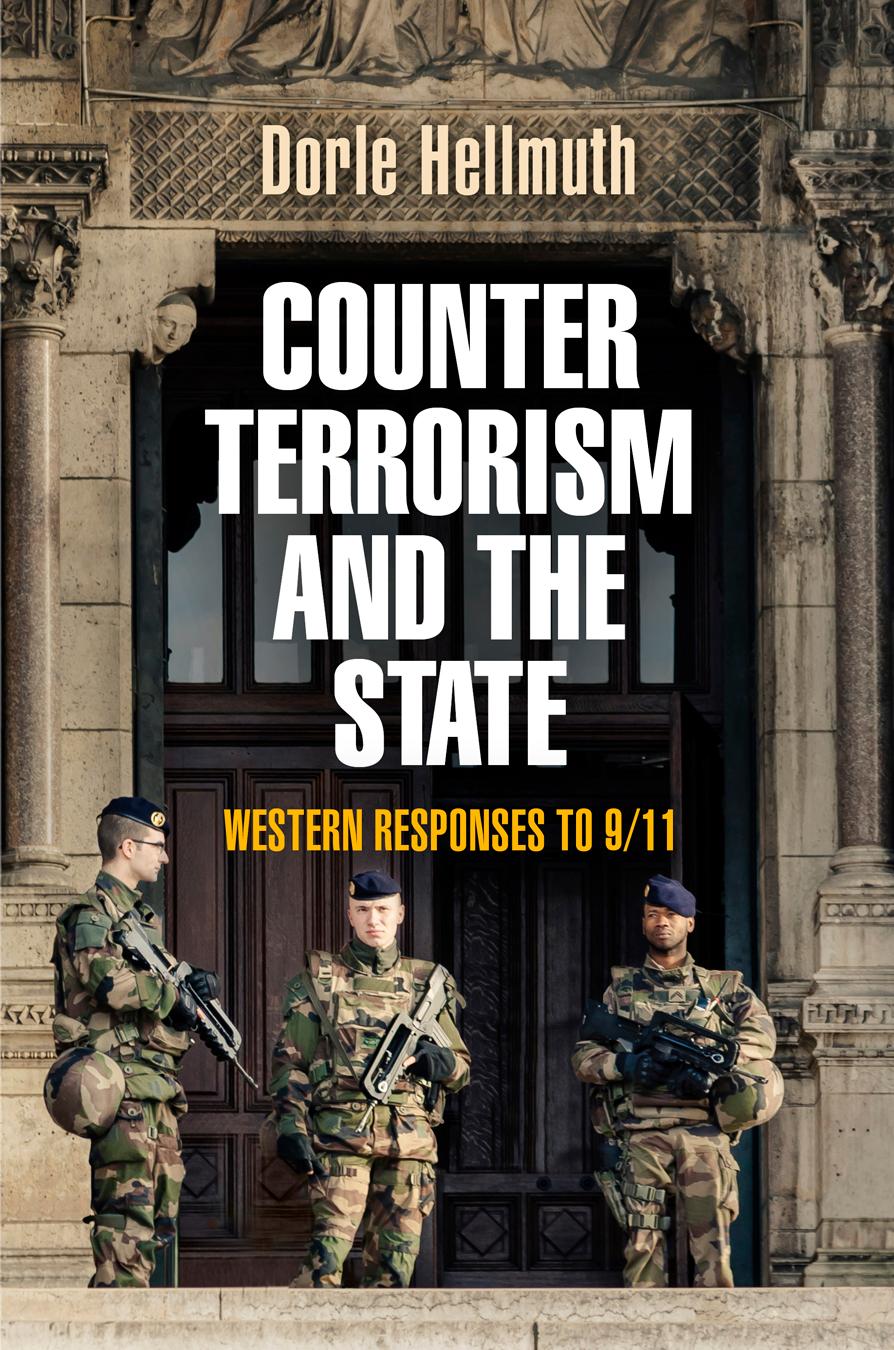
Dorle Hellmuth argues that the nature of state responses to terrorism is shaped by the particular governmental framework and process within which counterterrorism measures are decided. Using four Western democracies as case studies, Hellmuth measures effects of government structures on counterterrorism decision-making processes and outcomes. In doing so, she examines how similar or different the responses have been in four parliamentary and presidential systems, and clears up common misperceptions about domestic counterterrorism efforts on both sides of the Atlantic.
Each of Hellmuth's four case studies reviews the official constitutional powers and informal relationships between executive and legislative branches, outlines decision-making processes leading to counterterrorism policies and reforms since 9/11, and summarizes how structural factors influenced those processes. By measuring and comparing structural effects, and by going beyond the common U.S. and British focus to include counterterrorism decision-making in Germany and France, Hellmuth shows that there are important similarities between those governments designed to constrain executive power (Germany and the United States) and those that facilitate executive power (France and Great Britain). Her analysis further demonstrates that in presidential systems executive and legislative branches have incentives to produce a steady stream of reforms, that presidents have more opportunities than leaders of parliamentary systems to expand their unilateral powers during times of crisis, and that choices designed to strengthen presidential positions influence the direction, nature, and scope of institutional reform.
Understanding the nature, scope, and trends of national decision-making processes in Western democracies, Hellmuth contends, is imperative to identifying new mechanisms for containing transnational terrorist networks beyond national borders.
Before Memmo my notes were scattered across PDFs. Now a workspace pulls everything into one place — I see exactly what's still left to study.
Memmo's summaries are gold before exams. I don't have to re-read 800 pages two weeks before — just the important parts.
The AI chat has saved me the night before an exam more than once. I just keep asking until I get it — no waiting on a study group to reply.
The quizzes hit exactly what I need to know. Memmo tracks what I get stuck on — so I only practice what's worth it.
Flashcards with spaced repetition are magic. Memmo knows when I'm about to forget something and brings it back.
The AI podcasts are my favorite. I listen on my way to school and get a recap without sitting at a computer.

Handbok i kvalitativa metoder
281 kr

Hållbar utveckling: en introduktion för ingenjörer och andra problemlösare
334 kr

Brymans Samhällsvetenskapliga metoder
390 kr

Projektledning
491 kr

Den orättvisa hälsan: om socioekonomiska skillnader i hälsa och livslängd
326 kr

Vetenskapsteori för nybörjare
196 kr

Organizational Leadership
429 kr

På väg mot läraryrket
172 kr

Det sociala livet i skolan: Socialpsykologiska perspektiv
253 kr

Betygsättningens didaktik
151 kr

Personality
402 kr

Studying Leadership
404 kr

Managing Innovation
477 kr

Introduktion till samhällsvetenskaplig metod
347 kr

The Psychology of Sex and Gender
698 kr

Evidens och kunskap för socialt arbete
207 kr

Introduction to Leadership
605 kr