
Before Memmo my notes were scattered across PDFs. Now a workspace pulls everything into one place — I see exactly what's still left to study.
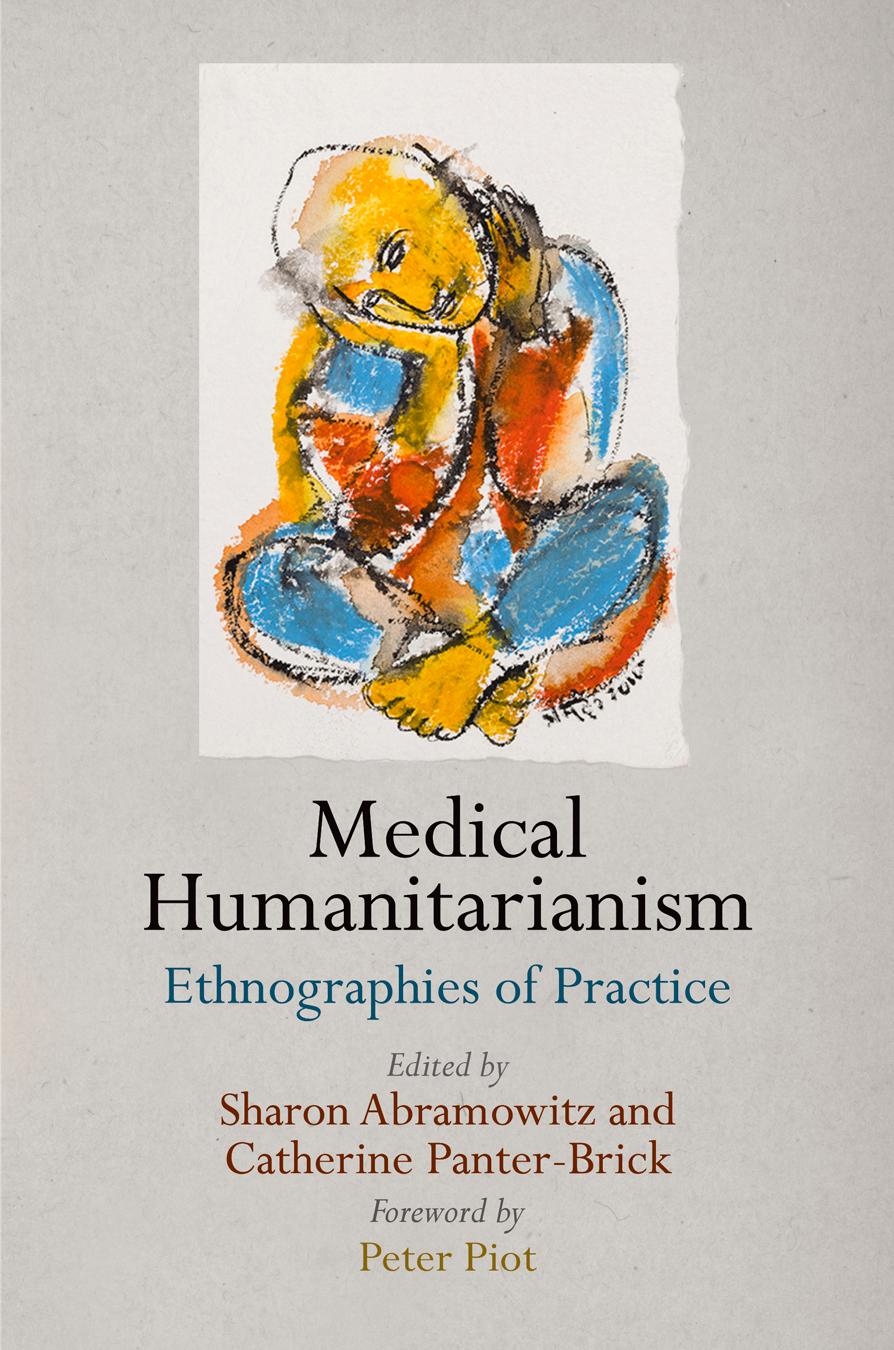
Medical humanitarianism—medical and other health-related initiatives undertaken in conditions born of conflict, neglect, or disaster —has a prominent and growing presence in international development, global health, and human security interventions. Medical Humanitarianism: Ethnographies of Practice features twelve essays that fold back the curtains on the individual experiences, institutional practices, and cultural forces that shape humanitarian practice.
Contributors offer vivid and often dramatic insights into the experiences of local humanitarian workers in the Afghan-Pakistan border areas, national doctors coping with influxes of foreign humanitarian volunteers in Haiti, military doctors working for the British Army in Iraq and Afghanistan, and human rights-oriented volunteers within the Israeli medical bureaucracy. They analyze our contested understanding of lethal violence in Darfur, food crises responses in Niger, humanitarian knowledge in Ugandan IDP camps, and humanitarian departures in Liberia. They depict the local dynamics of healthcare delivery work to alleviate human suffering in Somali areas of Ethiopia, the emergency metaphors of global health campaigns from Ghana to war-torn Sudan, the fraught negotiations of humanitarians with strong state institutions in Indonesia, and the ambiguous character of research ethics espoused by missions in Sierra Leone. In providing well-grounded case studies, Medical Humanitarianism will engage both scholars and practitioners working at the interface of humanitarian medicine, global health interventions, and the social sciences. They challenge the reader to reach a more critical and compassionate understanding of humanitarian assistance.
Contributors: Sharon Abramowitz, Tim Allen, Ilil Benjamin, Lauren Carruth, Mary Jo DelVecchio-Good, Alex de Waal, Byron J. Good, Stuart Gordon, Jesse Hession Grayman, Jean-Hervé Jézéquel, Peter Locke, Amy Moran-Thomas, Patricia Omidian, Catherine Panter-Brick, Peter Piot, Peter Redfield, Laura Wagner.
Before Memmo my notes were scattered across PDFs. Now a workspace pulls everything into one place — I see exactly what's still left to study.
Memmo's summaries are gold before exams. I don't have to re-read 800 pages two weeks before — just the important parts.
The AI chat has saved me the night before an exam more than once. I just keep asking until I get it — no waiting on a study group to reply.
The quizzes hit exactly what I need to know. Memmo tracks what I get stuck on — so I only practice what's worth it.
Flashcards with spaced repetition are magic. Memmo knows when I'm about to forget something and brings it back.
The AI podcasts are my favorite. I listen on my way to school and get a recap without sitting at a computer.

Handbok i kvalitativa metoder
281 kr

Hållbar utveckling: en introduktion för ingenjörer och andra problemlösare
334 kr

Brymans Samhällsvetenskapliga metoder
390 kr

Projektledning
491 kr

Den orättvisa hälsan: om socioekonomiska skillnader i hälsa och livslängd
326 kr

Vetenskapsteori för nybörjare
196 kr

Organizational Leadership
429 kr

På väg mot läraryrket
172 kr

Det sociala livet i skolan: Socialpsykologiska perspektiv
253 kr

Betygsättningens didaktik
151 kr

Personality
402 kr

Studying Leadership
404 kr

Managing Innovation
477 kr

Introduktion till samhällsvetenskaplig metod
347 kr

The Psychology of Sex and Gender
698 kr

Evidens och kunskap för socialt arbete
207 kr

Introduction to Leadership
605 kr