
Before Memmo my notes were scattered across PDFs. Now a workspace pulls everything into one place — I see exactly what's still left to study.
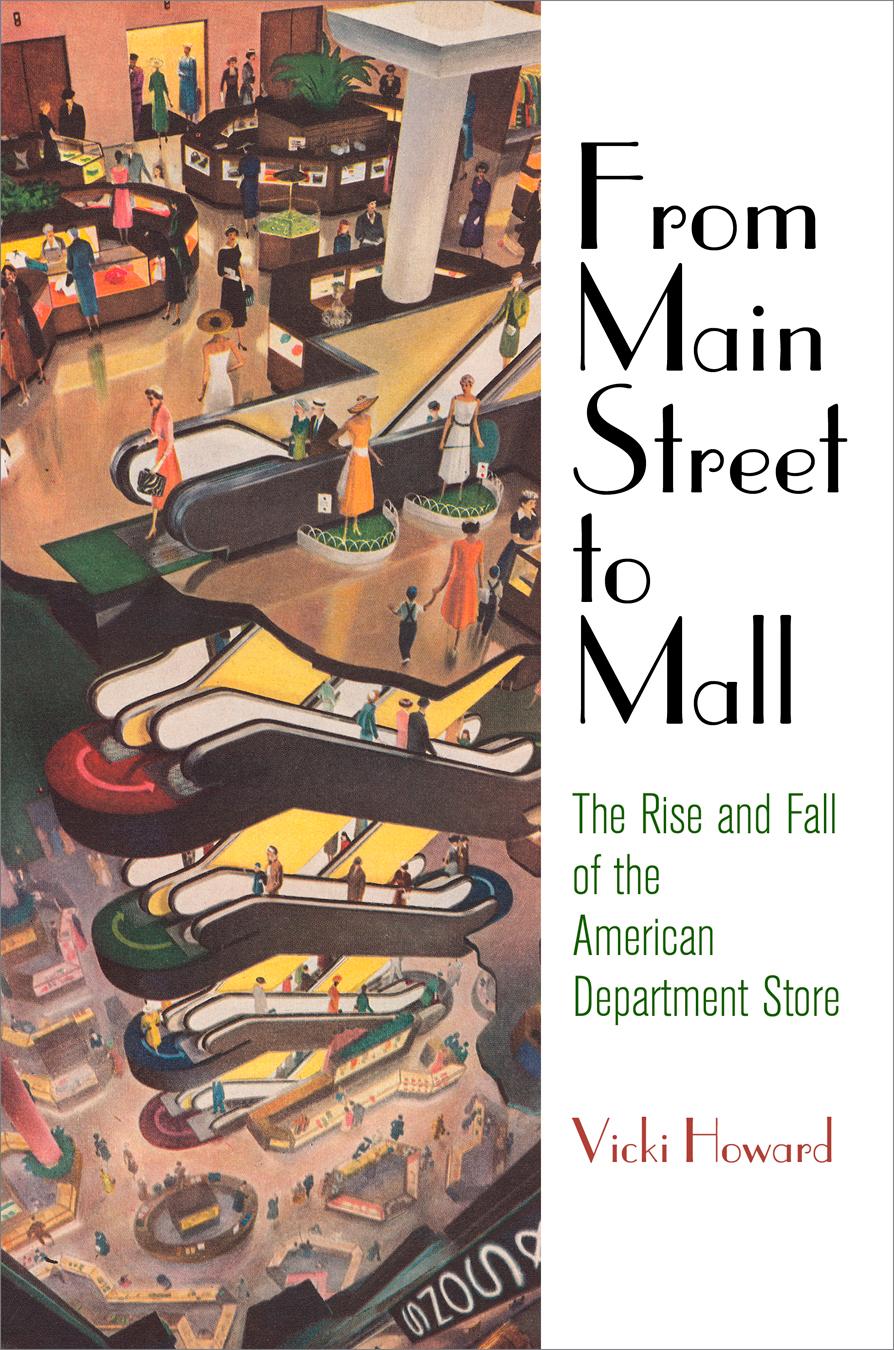
The geography of American retail has changed dramatically since the first luxurious department stores sprang up in nineteenth-century cities. Introducing light, color, and music to dry-goods emporia, these "palaces of consumption" transformed mere trade into occasions for pleasure and spectacle. Through the early twentieth century, department stores remained centers of social activity in local communities. But after World War II, suburban growth and the ubiquity of automobiles shifted the seat of economic prosperity to malls and shopping centers. The subsequent rise of discount big-box stores and electronic shopping accelerated the pace at which local department stores were shuttered or absorbed by national chains. But as the outpouring of nostalgia for lost downtown stores and historic shopping districts would indicate, these vibrant social institutions were intimately connected to American political, cultural, and economic identities.
The first national study of the department store industry, From Main Street to Mall traces the changing economic and political contexts that transformed the American shopping experience in the twentieth century. With careful attention to small-town stores as well as glamorous landmarks such as Marshall Field's in Chicago and Wanamaker's in Philadelphia, historian Vicki Howard offers a comprehensive account of the uneven trajectory that brought about the loss of locally identified department store firms and the rise of national chains like Macy's and J. C. Penney. She draws on a wealth of primary source evidence to demonstrate how the decisions of consumers, government policy makers, and department store industry leaders culminated in today's Wal-Mart world. Richly illustrated with archival photographs of the nation's beloved downtown business centers, From Main Street to Mall shows that department stores were more than just places to shop.
Before Memmo my notes were scattered across PDFs. Now a workspace pulls everything into one place — I see exactly what's still left to study.
Memmo's summaries are gold before exams. I don't have to re-read 800 pages two weeks before — just the important parts.
The AI chat has saved me the night before an exam more than once. I just keep asking until I get it — no waiting on a study group to reply.
The quizzes hit exactly what I need to know. Memmo tracks what I get stuck on — so I only practice what's worth it.
Flashcards with spaced repetition are magic. Memmo knows when I'm about to forget something and brings it back.
The AI podcasts are my favorite. I listen on my way to school and get a recap without sitting at a computer.

Handbok i kvalitativa metoder
281 kr

Hållbar utveckling: en introduktion för ingenjörer och andra problemlösare
334 kr

Brymans Samhällsvetenskapliga metoder
390 kr

Projektledning
491 kr

Den orättvisa hälsan: om socioekonomiska skillnader i hälsa och livslängd
326 kr

Vetenskapsteori för nybörjare
196 kr

Organizational Leadership
429 kr

På väg mot läraryrket
172 kr

Det sociala livet i skolan: Socialpsykologiska perspektiv
253 kr

Betygsättningens didaktik
151 kr

Personality
402 kr

Studying Leadership
404 kr

Managing Innovation
477 kr

Introduktion till samhällsvetenskaplig metod
347 kr

The Psychology of Sex and Gender
698 kr

Evidens och kunskap för socialt arbete
207 kr

Introduction to Leadership
605 kr