
Before Memmo my notes were scattered across PDFs. Now a workspace pulls everything into one place — I see exactly what's still left to study.
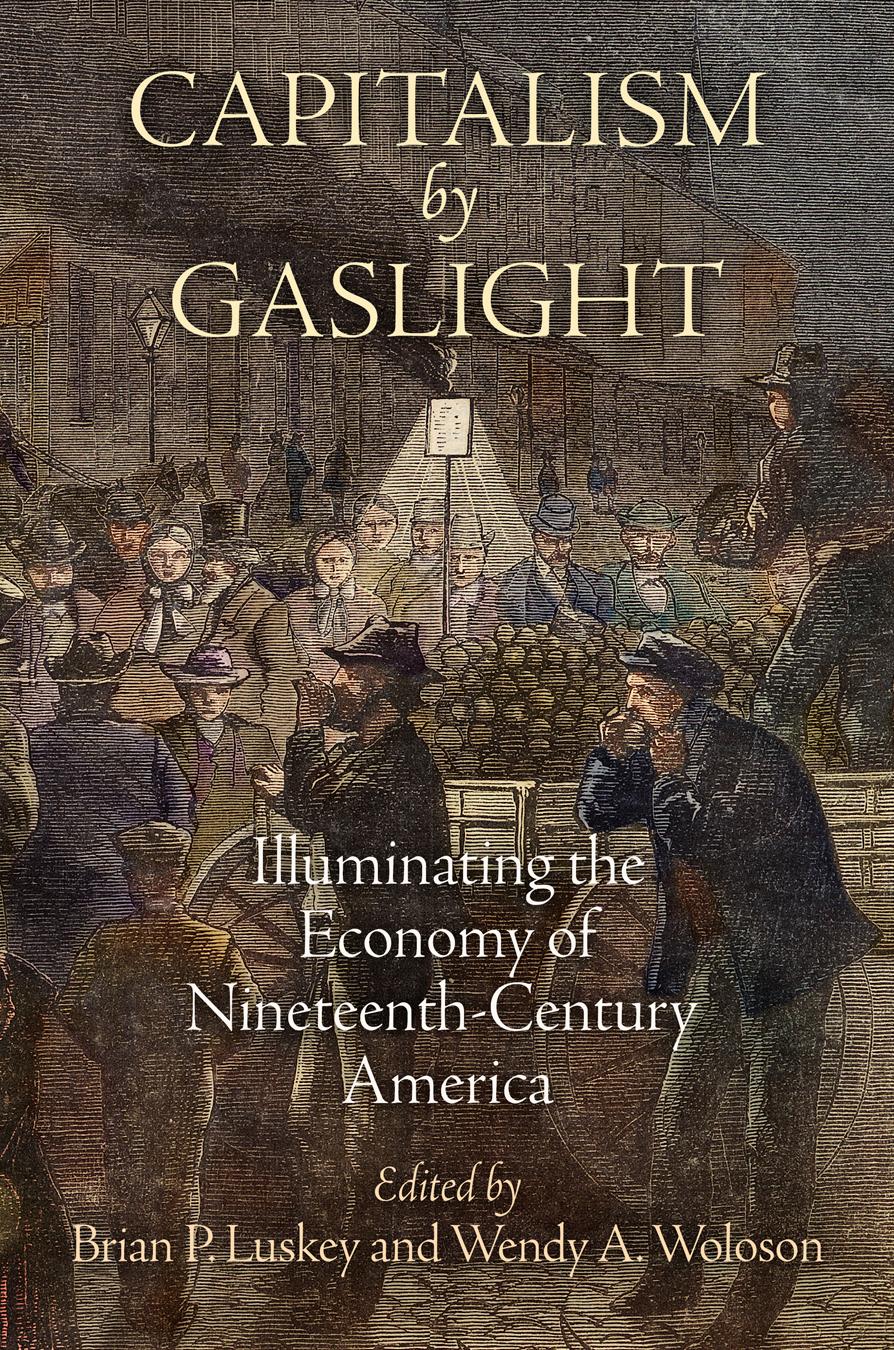
While elite merchants, financiers, shopkeepers, and customers were the most visible producers, consumers, and distributors of goods and capital in the nineteenth century, they were certainly not alone in shaping the economy. Lurking in the shadows of capitalism's past are those who made markets by navigating a range of new financial instruments, information systems, and modes of transactions: prostitutes, dealers in used goods, mock auctioneers, illegal slavers, traffickers in stolen horses, emigrant runners, pilfering dock workers, and other ordinary people who, through their transactions and lives, helped to make capitalism as much as it made them.
Capitalism by Gaslight illuminates American economic history by emphasizing the significance of these markets and the cultural debates they provoked. These essays reveal that the rules of economic engagement were still being established in the nineteenth century: delineations between legal and illegal, moral and immoral, acceptable and unsuitable were far from clear. The contributors examine the fluid mobility and unstable value of people and goods, the shifting geographies and structures of commercial institutions, the blurred boundaries between legitimate and illegitimate economic activity, and the daily lives of men and women who participated creatively—and often subversively—in American commerce.
With subjects ranging from women's studies and African American history to material and consumer culture, this compelling volume illustrates that when hidden forms of commerce are brought to light, they can become flashpoints revealing the tensions, fissures, and inequities inherent in capitalism itself.
Contributors: Paul Erickson, Robert J. Gamble, Ellen Gruber Garvey, Corey Goettsch, Joshua R. Greenberg, Katie M. Hemphill, Craig B. Hollander, Brian P. Luskey, Will B. Mackintosh, Adam Mendelsohn, Brendan P. O'Malley, Michael D. Thompson, Wendy A. Woloson.
Before Memmo my notes were scattered across PDFs. Now a workspace pulls everything into one place — I see exactly what's still left to study.
Memmo's summaries are gold before exams. I don't have to re-read 800 pages two weeks before — just the important parts.
The AI chat has saved me the night before an exam more than once. I just keep asking until I get it — no waiting on a study group to reply.
The quizzes hit exactly what I need to know. Memmo tracks what I get stuck on — so I only practice what's worth it.
Flashcards with spaced repetition are magic. Memmo knows when I'm about to forget something and brings it back.
The AI podcasts are my favorite. I listen on my way to school and get a recap without sitting at a computer.

Handbok i kvalitativa metoder
281 kr

Hållbar utveckling: en introduktion för ingenjörer och andra problemlösare
334 kr

Brymans Samhällsvetenskapliga metoder
390 kr

Projektledning
491 kr

Den orättvisa hälsan: om socioekonomiska skillnader i hälsa och livslängd
326 kr

Organizational Leadership
429 kr

Vetenskapsteori för nybörjare
196 kr

På väg mot läraryrket
172 kr

Det sociala livet i skolan: Socialpsykologiska perspektiv
253 kr

Betygsättningens didaktik
151 kr

Personality
402 kr

Studying Leadership
404 kr

Managing Innovation
477 kr

Introduktion till samhällsvetenskaplig metod
347 kr

The Psychology of Sex and Gender
698 kr

Evidens och kunskap för socialt arbete
207 kr

Introduction to Leadership
605 kr