
Before Memmo my notes were scattered across PDFs. Now a workspace pulls everything into one place — I see exactly what's still left to study.
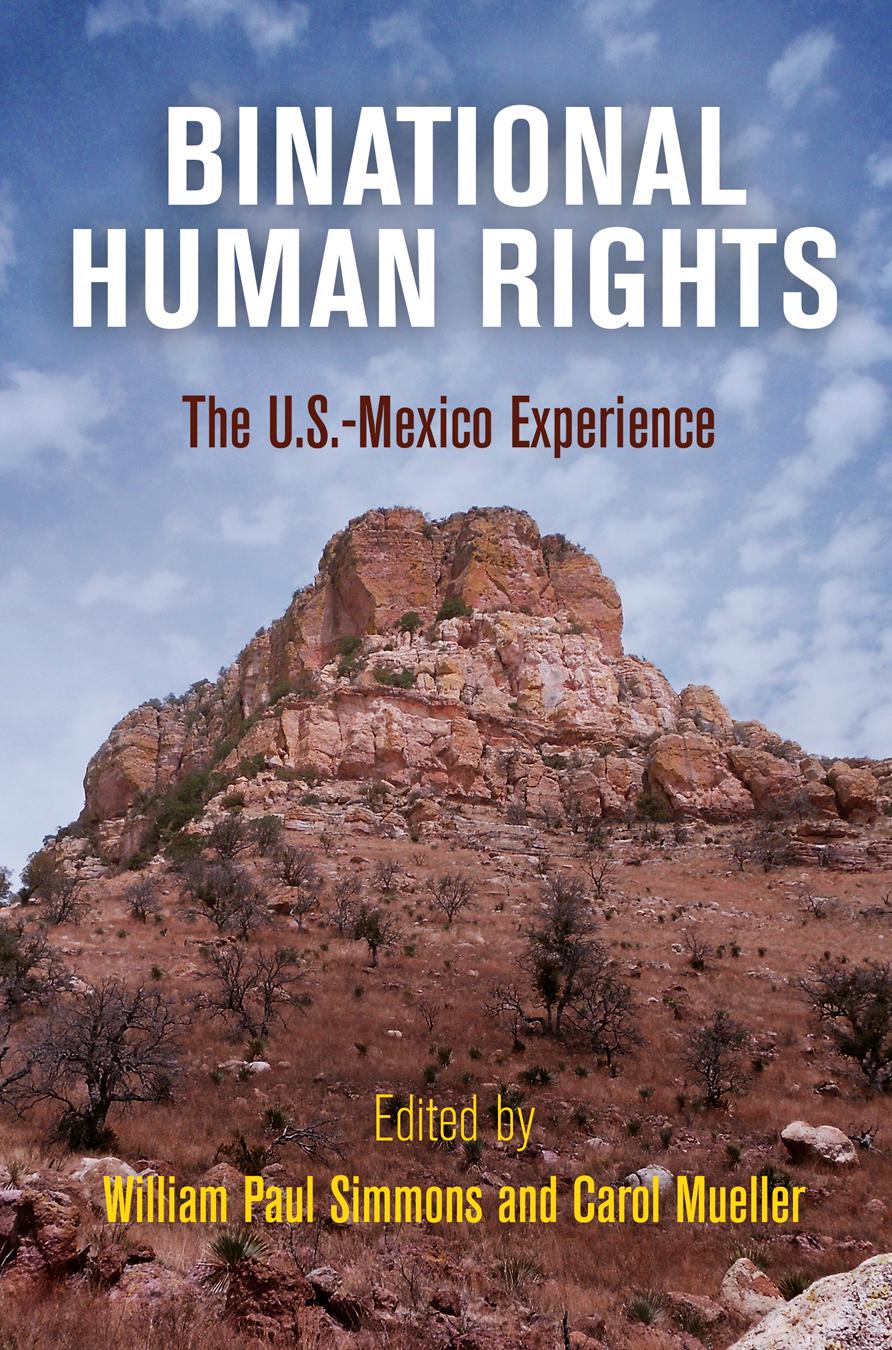
Mexico ranks highly on many of the measures that have proven significant for creating a positive human rights record, including democratization, good health and life expectancy, and engagement in the global economy. Yet the nation's most vulnerable populations suffer human rights abuses on a large scale, such as gruesome killings in the Mexican drug war, decades of violent feminicide, migrant deaths in the U.S. desert, and the ongoing effects of the failed detention and deportation system in the States. Some atrocities have received extensive and sensational coverage, while others have become routine or simply ignored by national and international media. Binational Human Rights examines both well-known and understudied instances of human rights crises in Mexico, arguing that these abuses must be understood not just within the context of Mexican policies but in relation to the actions or inactions of other nations—particularly the United States.
The United States and Mexico share the longest border in the world between a developed and a developing nation; the relationship between the two nations is complex, varied, and constantly changing, but the policies of each directly affect the human rights situation across the border. Binational Human Rights brings together leading scholars and human rights activists from the United States and Mexico to explain the mechanisms by which a perfect storm of structural and policy factors on both sides has led to such widespread human rights abuses. Through ethnography, interviews, and legal and economic analysis, contributors shed new light on the feminicides in Ciudad Juárez, the drug war, and the plight of migrants from Central America and Mexico to the United States. The authors make clear that substantial rhetorical and structural shifts in binational policies are necessary to significantly improve human rights.
Contributors: Alejandro Anaya Muñoz, Luis Alfredo Arriola Vega, Timothy J. Dunn, Miguel Escobar-Valdez, Clara Jusidman, Maureen Meyer, Carol Mueller, Julie A. Murphy Erfani, William Paul Simmons, Kathleen Staudt, Michelle Téllez.
Before Memmo my notes were scattered across PDFs. Now a workspace pulls everything into one place — I see exactly what's still left to study.
Memmo's summaries are gold before exams. I don't have to re-read 800 pages two weeks before — just the important parts.
The AI chat has saved me the night before an exam more than once. I just keep asking until I get it — no waiting on a study group to reply.
The quizzes hit exactly what I need to know. Memmo tracks what I get stuck on — so I only practice what's worth it.
Flashcards with spaced repetition are magic. Memmo knows when I'm about to forget something and brings it back.
The AI podcasts are my favorite. I listen on my way to school and get a recap without sitting at a computer.

Handbok i kvalitativa metoder
281 kr

Hållbar utveckling: en introduktion för ingenjörer och andra problemlösare
334 kr

Brymans Samhällsvetenskapliga metoder
390 kr

Projektledning
491 kr

Den orättvisa hälsan: om socioekonomiska skillnader i hälsa och livslängd
326 kr

Vetenskapsteori för nybörjare
196 kr

Organizational Leadership
429 kr

På väg mot läraryrket
172 kr

Det sociala livet i skolan: Socialpsykologiska perspektiv
253 kr

Betygsättningens didaktik
151 kr

Personality
402 kr

Studying Leadership
404 kr

Managing Innovation
477 kr

Introduktion till samhällsvetenskaplig metod
347 kr

The Psychology of Sex and Gender
698 kr

Evidens och kunskap för socialt arbete
207 kr

Introduction to Leadership
605 kr