
Before Memmo my notes were scattered across PDFs. Now a workspace pulls everything into one place — I see exactly what's still left to study.
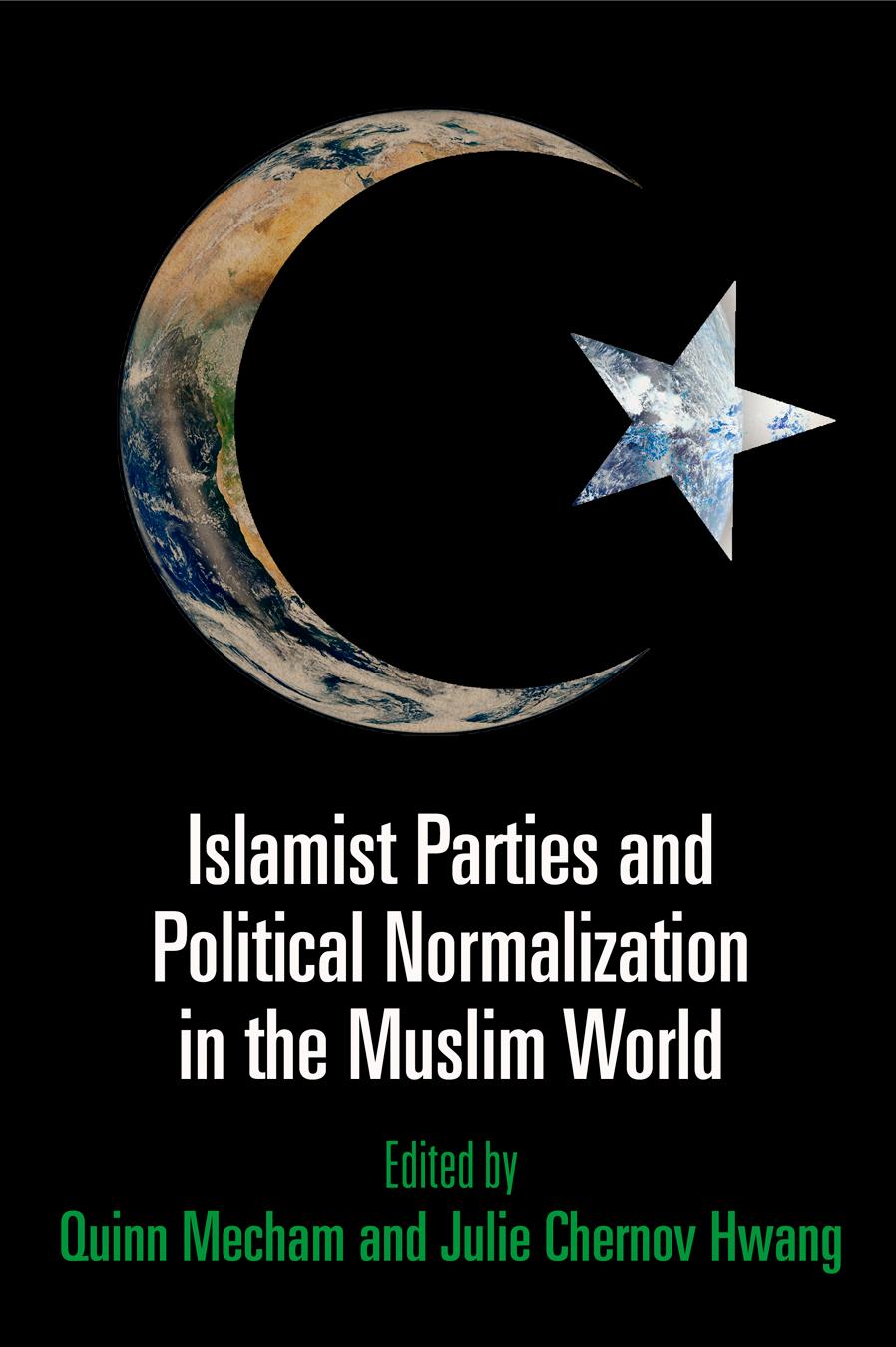
Since 2000, more than twenty countries around the world have held elections in which parties that espouse a political agenda based on an Islamic worldview have competed for legislative seats. Islamist Parties and Political Normalization in the Muslim World examines the impact these parties have had on the political process in two different areas of the world with large Muslim populations: the Middle East and Asia. The book's contributors examine major cases of Islamist party evolution and participation in democratic and semidemocratic systems in Turkey, Morocco, Yemen, Indonesia, Malaysia, and Bangladesh. Collectively they articulate a theoretical framework to understand the strategic behavior of Islamist parties, including the characteristics that distinguish them from other types of political parties, how they relate to other parties as potential competitors or collaborators, how ties to broader Islamist movements may affect party behavior in elections, and how participation in an electoral system can affect the behavior and ideology of an Islamist party over time.
Through this framework, the contributors observe a general tendency in Islamist politics. Although Islamist parties represent diverse interests and behaviors that are tied to their particular domestic contexts, through repeated elections they often come to operate less as antiestablishment parties and more in line with the political norms of the regimes in which they compete. While a few parties have deliberately chosen to remain on the fringes of their political system, most have found significant political rewards in changing their messages and behavior to attract more centrist voters. As the impact of the Arab Spring continues to be felt, Islamist Parties and Political Normalization in the Muslim World offers a nuanced and timely perspective of Islamist politics in broader global context.
Contributors: Wenling Chan, Julie Chernov Hwang, Joseph Chinyong Liow, Driss Maghraoui, Quinn Mecham, Ali Riaz, Murat Somer, Stacey Philbrick Yadav, Saloua Zerhouni.
Before Memmo my notes were scattered across PDFs. Now a workspace pulls everything into one place — I see exactly what's still left to study.
Memmo's summaries are gold before exams. I don't have to re-read 800 pages two weeks before — just the important parts.
The AI chat has saved me the night before an exam more than once. I just keep asking until I get it — no waiting on a study group to reply.
The quizzes hit exactly what I need to know. Memmo tracks what I get stuck on — so I only practice what's worth it.
Flashcards with spaced repetition are magic. Memmo knows when I'm about to forget something and brings it back.
The AI podcasts are my favorite. I listen on my way to school and get a recap without sitting at a computer.

Handbok i kvalitativa metoder
281 kr

Hållbar utveckling: en introduktion för ingenjörer och andra problemlösare
334 kr

Brymans Samhällsvetenskapliga metoder
390 kr

Projektledning
491 kr

Den orättvisa hälsan: om socioekonomiska skillnader i hälsa och livslängd
326 kr

Vetenskapsteori för nybörjare
196 kr

Organizational Leadership
429 kr

På väg mot läraryrket
172 kr

Det sociala livet i skolan: Socialpsykologiska perspektiv
253 kr

Betygsättningens didaktik
151 kr

Personality
402 kr

Studying Leadership
404 kr

Managing Innovation
477 kr

Introduktion till samhällsvetenskaplig metod
347 kr

The Psychology of Sex and Gender
698 kr

Evidens och kunskap för socialt arbete
207 kr

Introduction to Leadership
605 kr