
Before Memmo my notes were scattered across PDFs. Now a workspace pulls everything into one place — I see exactly what's still left to study.
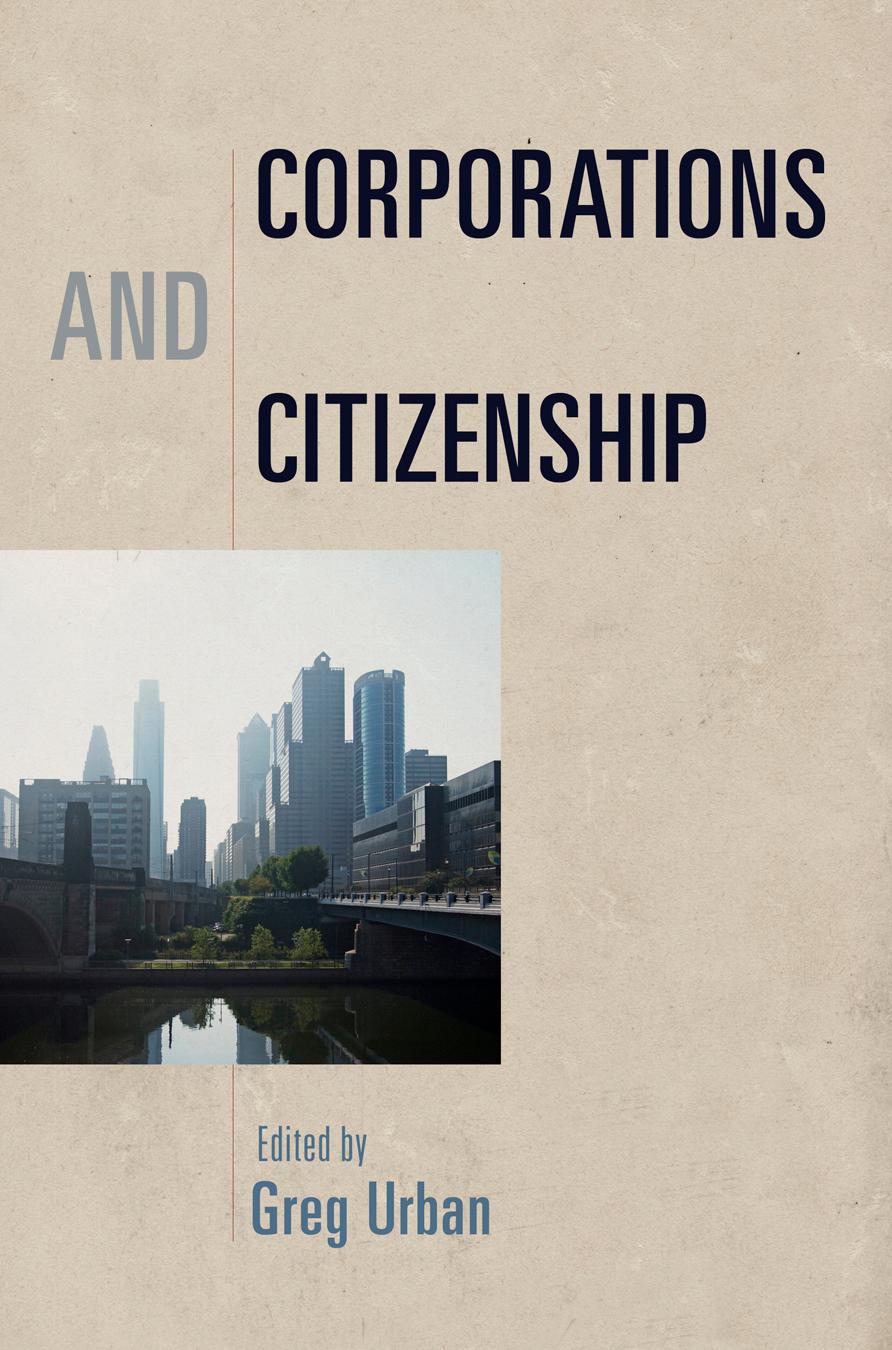
President Theodore Roosevelt once proclaimed, "Great corporations exist only because they are created and safeguarded by our institutions, and it is therefore our right and duty to see that they work in harmony with those institutions." But while corporations are ostensibly regulated by citizens through their governments, the firms in turn regulate many aspects of social and political life for individuals beyond their own employees and the communities that support them. Corporations are endowed with many of the same rights as citizens, such as freedom of speech, but are not themselves typically constituted around ideals of national belonging and democracy. In the wake of the global financial collapse of 2008, the question of what relationship corporations should have to governing institutions has only increased in urgency. As a democratically sanctioned social institution, should a corporation operate primarily toward profit accumulation or should its proper goal be to provision society with needed goods and services?
Corporations and Citizenship addresses the role of modern for-profit corporations as a distinctive kind of social formation within democratic national states. Scholars of legal studies, business ethics, politics, history, and anthropology bring their perspectives to bear on particular case studies, such as Enron and Wall Street, as well as broader issues of belonging, social responsibility, for-profit higher education, and regulation. Together, these essays establish a complex and detailed understanding of the ways corporations contribute positively to human well-being as well as the dangers that they pose.
Contributors: Joel Bakan, Jean Comaroff, John Comaroff, Cynthia Estlund, Louis Galambos, Rosalie Genova, Peter Gourevitch, Karen Ho, Nien-hê Hsieh, Walter Licht, Jonathan R. Macey, Hirokazu Miyazaki, Lynn Sharp Paine, Katharina Pistor, Amy J. Sepinwall, Jeffery Smith, Jeffrey L. Sturchio, Greg Urban.
Before Memmo my notes were scattered across PDFs. Now a workspace pulls everything into one place — I see exactly what's still left to study.
Memmo's summaries are gold before exams. I don't have to re-read 800 pages two weeks before — just the important parts.
The AI chat has saved me the night before an exam more than once. I just keep asking until I get it — no waiting on a study group to reply.
The quizzes hit exactly what I need to know. Memmo tracks what I get stuck on — so I only practice what's worth it.
Flashcards with spaced repetition are magic. Memmo knows when I'm about to forget something and brings it back.
The AI podcasts are my favorite. I listen on my way to school and get a recap without sitting at a computer.

Handbok i kvalitativa metoder
281 kr

Hållbar utveckling: en introduktion för ingenjörer och andra problemlösare
334 kr

Brymans Samhällsvetenskapliga metoder
390 kr

Projektledning
491 kr

Den orättvisa hälsan: om socioekonomiska skillnader i hälsa och livslängd
326 kr

Vetenskapsteori för nybörjare
196 kr

Organizational Leadership
429 kr

På väg mot läraryrket
172 kr

Det sociala livet i skolan: Socialpsykologiska perspektiv
253 kr

Betygsättningens didaktik
151 kr

Personality
402 kr

Studying Leadership
404 kr

Managing Innovation
477 kr

Introduktion till samhällsvetenskaplig metod
347 kr

The Psychology of Sex and Gender
698 kr

Evidens och kunskap för socialt arbete
207 kr

Introduction to Leadership
605 kr