
Before Memmo my notes were scattered across PDFs. Now a workspace pulls everything into one place — I see exactly what's still left to study.
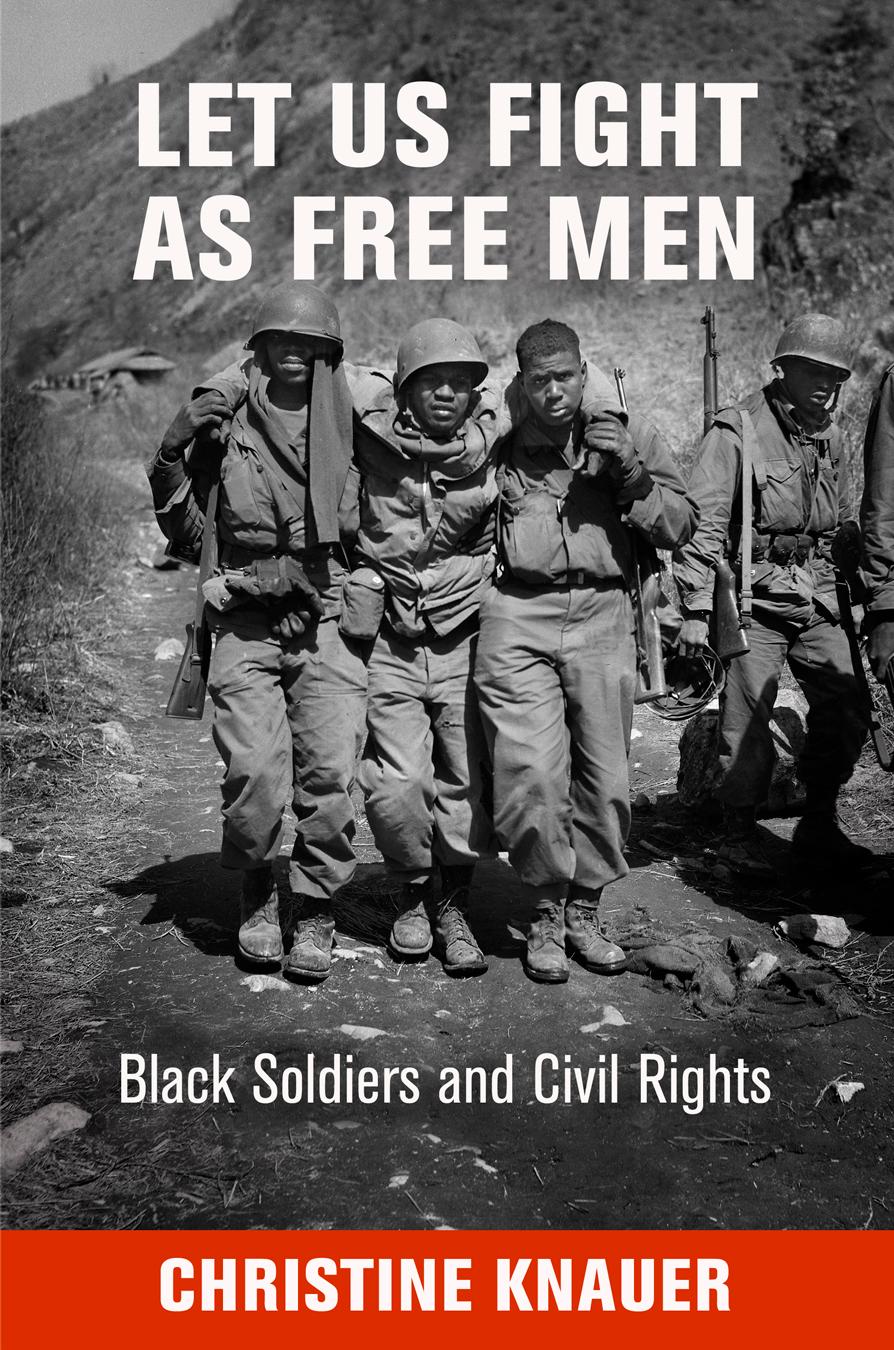
Today, the military is one the most racially diverse institutions in the United States. But for many decades African American soldiers battled racial discrimination and segregation within its ranks. In the years after World War II, the integration of the armed forces was a touchstone in the homefront struggle for equality—though its importance is often overlooked in contemporary histories of the civil rights movement. Drawing on a wide array of sources, from press reports and newspapers to organizational and presidential archives, historian Christine Knauer recounts the conflicts surrounding black military service and the fight for integration.
Let Us Fight as Free Men shows that, even after their service to the nation in World War II, it took the persistent efforts of black soldiers, as well as civilian activists and government policy changes, to integrate the military. In response to unjust treatment during and immediately after the war, African Americans pushed for integration on the strength of their service despite the oppressive limitations they faced on the front and at home. Pressured by civil rights activists such as A. Philip Randolph, President Harry S. Truman passed an executive order that called for equal treatment in the military. Even so, integration took place haltingly and was realized only after the political and strategic realities of the Korean War forced the Army to allow black soldiers to fight alongside their white comrades. While the war pushed the civil rights struggle beyond national boundaries, it also revealed the persistence of racial discrimination and exposed the limits of interracial solidarity.
Let Us Fight as Free Men reveals the heated debates about the meaning of military service, manhood, and civil rights strategies within the African American community and the United States as a whole.
Before Memmo my notes were scattered across PDFs. Now a workspace pulls everything into one place — I see exactly what's still left to study.
Memmo's summaries are gold before exams. I don't have to re-read 800 pages two weeks before — just the important parts.
The AI chat has saved me the night before an exam more than once. I just keep asking until I get it — no waiting on a study group to reply.
The quizzes hit exactly what I need to know. Memmo tracks what I get stuck on — so I only practice what's worth it.
Flashcards with spaced repetition are magic. Memmo knows when I'm about to forget something and brings it back.
The AI podcasts are my favorite. I listen on my way to school and get a recap without sitting at a computer.

Handbok i kvalitativa metoder
281 kr

Hållbar utveckling: en introduktion för ingenjörer och andra problemlösare
334 kr

Brymans Samhällsvetenskapliga metoder
390 kr

Projektledning
491 kr

Den orättvisa hälsan: om socioekonomiska skillnader i hälsa och livslängd
326 kr

Organizational Leadership
429 kr

Vetenskapsteori för nybörjare
196 kr

På väg mot läraryrket
172 kr

Det sociala livet i skolan: Socialpsykologiska perspektiv
253 kr

Betygsättningens didaktik
151 kr

Personality
402 kr

Studying Leadership
404 kr

Managing Innovation
477 kr

Introduktion till samhällsvetenskaplig metod
347 kr

The Psychology of Sex and Gender
698 kr

Evidens och kunskap för socialt arbete
207 kr

Introduction to Leadership
605 kr