
Before Memmo my notes were scattered across PDFs. Now a workspace pulls everything into one place — I see exactly what's still left to study.
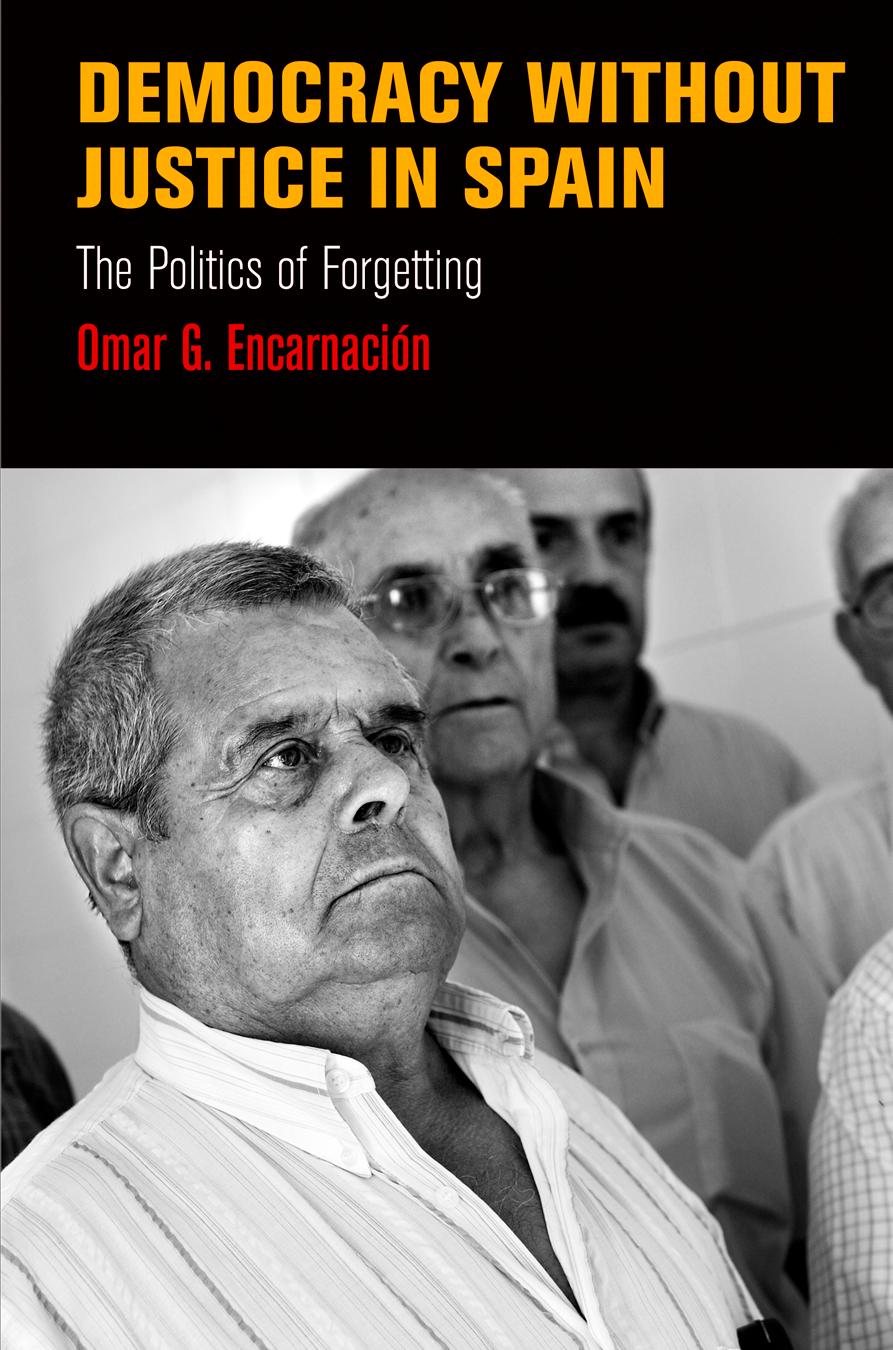
Spain is a notable exception to the implicit rules of late twentieth-century democratization: after the death of General Francisco Franco in 1975, the recovering nation began to consolidate democracy without enacting any of the mechanisms promoted by the international transitional justice movement. There were no political trials, no truth and reconciliation commissions, no formal attributions of blame, and no apologies. Instead, Spain's national parties negotiated the Pact of Forgetting, an agreement intended to place the bloody Spanish Civil War and the authoritarian excesses of the Franco dictatorship firmly in the past, not to be revisited even in conversation. Formalized by an amnesty law in 1977, this agreement defies the conventional wisdom that considers retribution and reconciliation vital to rebuilding a stable nation. Although not without its dark side, such as the silence imposed upon the victims of the Civil War and the dictatorship, the Pact of Forgetting allowed for the peaceful emergence of a democratic state, one with remarkable political stability and even a reputation as a trailblazer for the national rights and protections of minority groups.
Omar G. Encarnación examines the factors in Spanish political history that made the Pact of Forgetting possible, tracing the challenges and consequences of sustaining the agreement until its dramatic reversal with the 2007 Law of Historical Memory. The combined forces of a collective will to avoid revisiting the traumas of a difficult and painful past and the reliance on the reformed political institutions of the old regime to anchor the democratic transition created a climate conducive to forgetting. At the same time, the political movement to forget encouraged the embrace of a new national identity as a modern and democratic European state. Demonstrating the surprising compatibility of forgetting and democracy, Democratization Without Justice in Spain offers a crucial counterexample to the transitional justice movement. The refusal to confront and redress the past did not inhibit the rise of a successful democracy in Spain; on the contrary, by leaving the past behind, Spain chose not to repeat it.
Before Memmo my notes were scattered across PDFs. Now a workspace pulls everything into one place — I see exactly what's still left to study.
Memmo's summaries are gold before exams. I don't have to re-read 800 pages two weeks before — just the important parts.
The AI chat has saved me the night before an exam more than once. I just keep asking until I get it — no waiting on a study group to reply.
The quizzes hit exactly what I need to know. Memmo tracks what I get stuck on — so I only practice what's worth it.
Flashcards with spaced repetition are magic. Memmo knows when I'm about to forget something and brings it back.
The AI podcasts are my favorite. I listen on my way to school and get a recap without sitting at a computer.

Handbok i kvalitativa metoder
281 kr

Hållbar utveckling: en introduktion för ingenjörer och andra problemlösare
334 kr

Brymans Samhällsvetenskapliga metoder
390 kr

Projektledning
491 kr

Den orättvisa hälsan: om socioekonomiska skillnader i hälsa och livslängd
326 kr

Vetenskapsteori för nybörjare
196 kr

Organizational Leadership
429 kr

På väg mot läraryrket
172 kr

Det sociala livet i skolan: Socialpsykologiska perspektiv
253 kr

Betygsättningens didaktik
151 kr

Personality
402 kr

Studying Leadership
404 kr

Managing Innovation
477 kr

Introduktion till samhällsvetenskaplig metod
347 kr

The Psychology of Sex and Gender
698 kr

Evidens och kunskap för socialt arbete
207 kr

Introduction to Leadership
605 kr