
Before Memmo my notes were scattered across PDFs. Now a workspace pulls everything into one place — I see exactly what's still left to study.
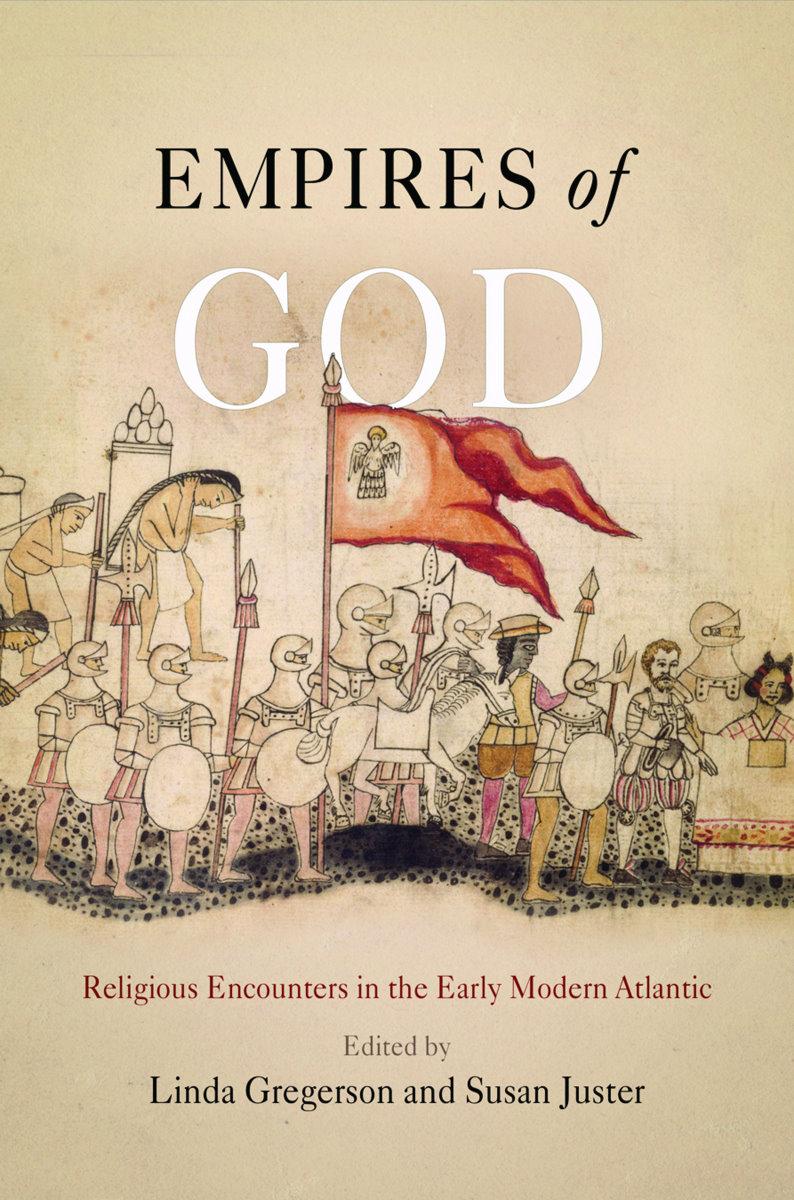
Religion and empire were inseparable forces in the early modern Atlantic world. Religious passions and conflicts drove much of the expansionist energy of post-Reformation Europe, providing both a rationale and a practical mode of organizing the dispersal and resettlement of hundreds of thousands of people from the Old World to the New World. Exhortations to conquer new peoples were the lingua franca of Western imperialism, and men like the mystically inclined Christopher Columbus were genuinely inspired to risk their lives and their fortunes to bring the gospel to the Americas. And in the thousands of religious refugees seeking asylum from the vicious wars of religion that tore the continent apart in the sixteenth and seventeenth centuries, these visionary explorers found a ready pool of migrants—English Puritans and Quakers, French Huguenots, German Moravians, Scots-Irish Presbyterians—equally willing to risk life and limb for a chance to worship God in their own way.
Focusing on the formative period of European exploration, settlement, and conquest in the Americas, from roughly 1500 to 1760, Empires of God brings together historians and literary scholars of the English, French, and Spanish Americas around a common set of questions: How did religious communities and beliefs create empires, and how did imperial structures transform New World religions? How did Europeans and Native Americans make sense of each other's spiritual systems, and what acts of linguistic and cultural transition did this entail? What was the role of violence in New World religious encounters? Together, the essays collected here demonstrate the power of religious ideas and narratives to create kingdoms both imagined and real.
Before Memmo my notes were scattered across PDFs. Now a workspace pulls everything into one place — I see exactly what's still left to study.
Memmo's summaries are gold before exams. I don't have to re-read 800 pages two weeks before — just the important parts.
The AI chat has saved me the night before an exam more than once. I just keep asking until I get it — no waiting on a study group to reply.
The quizzes hit exactly what I need to know. Memmo tracks what I get stuck on — so I only practice what's worth it.
Flashcards with spaced repetition are magic. Memmo knows when I'm about to forget something and brings it back.
The AI podcasts are my favorite. I listen on my way to school and get a recap without sitting at a computer.

Handbok i kvalitativa metoder
281 kr

Hållbar utveckling: en introduktion för ingenjörer och andra problemlösare
334 kr

Brymans Samhällsvetenskapliga metoder
390 kr

Projektledning
491 kr

Den orättvisa hälsan: om socioekonomiska skillnader i hälsa och livslängd
326 kr

Vetenskapsteori för nybörjare
196 kr

Organizational Leadership
429 kr

På väg mot läraryrket
172 kr

Det sociala livet i skolan: Socialpsykologiska perspektiv
253 kr

Betygsättningens didaktik
151 kr

Personality
402 kr

Studying Leadership
404 kr

Managing Innovation
477 kr

Introduktion till samhällsvetenskaplig metod
347 kr

The Psychology of Sex and Gender
698 kr

Evidens och kunskap för socialt arbete
207 kr

Introduction to Leadership
605 kr