
Before Memmo my notes were scattered across PDFs. Now a workspace pulls everything into one place — I see exactly what's still left to study.
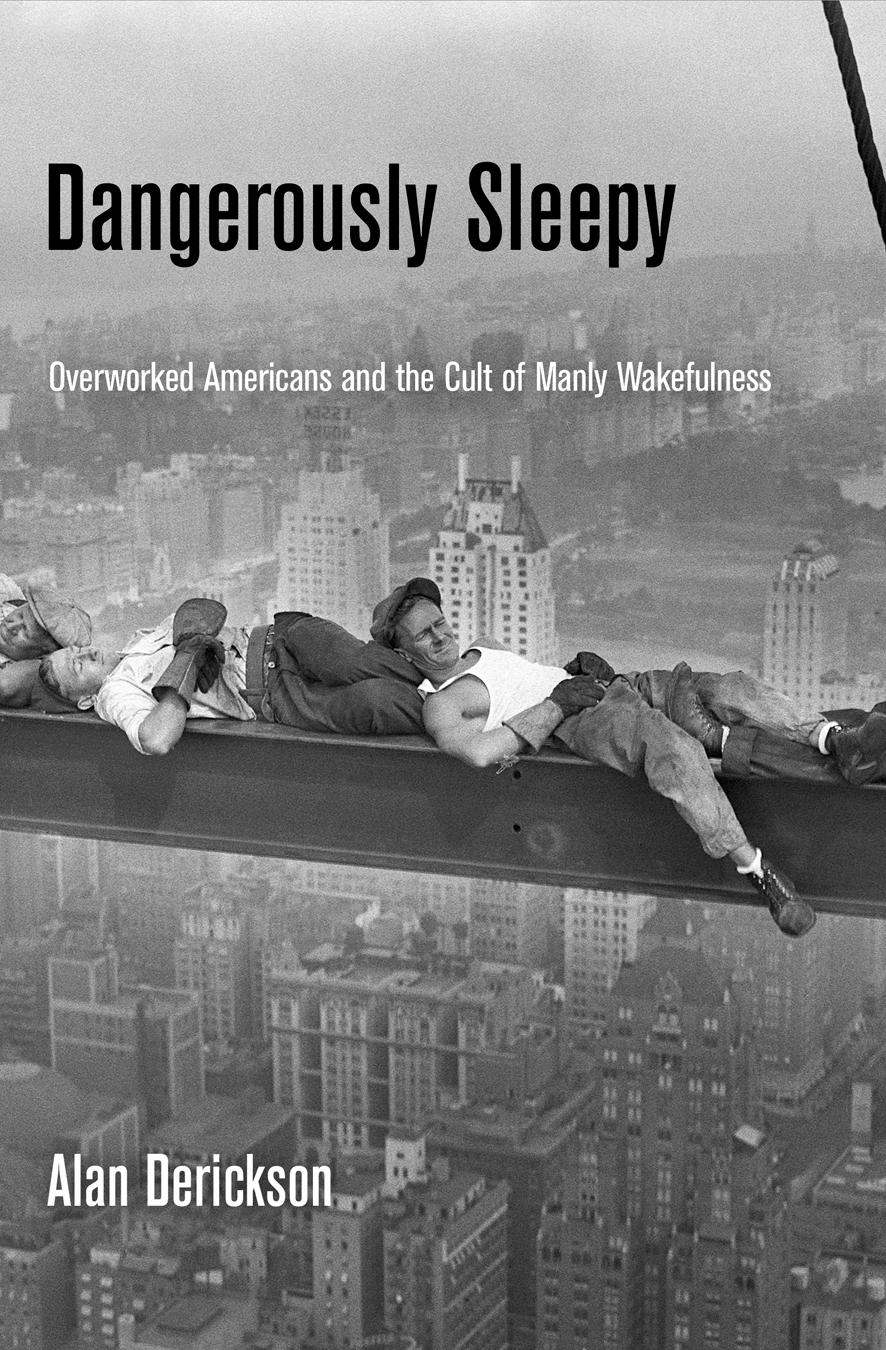
Workers in the United States are losing sleep. In the global economy a growing number of employees hold jobs—often more than one at once—with unpredictable hours. Even before the rise of the twenty-four-hour workplace, the relationship between sleep and industry was problematic: sleep is frequently cast as an enemy or a weakness, while constant productivity and flexibility are glorified at the expense of health and safety.
Dangerously Sleepy is the first book to track the longtime association of overwork and sleep deprivation from the nineteenth century to the present. Health and labor historian Alan Derickson charts the cultural and political forces behind the overvaluation—and masculinization—of wakefulness in the United States. Since the nineteenth century, men at all levels of society have toiled around the clock by necessity: steel workers coped with rotating shifts, Pullman porters grappled with ever-changing timetables and unrelenting on-call status, and long-haul truckers dealt with chaotic life on the road. But the dangerous realities of exhaustion were minimized and even glamorized when the entrepreneurial drive of public figures such as Thomas Edison and Donald Trump encouraged American men to deny biological need in the name of success. For workers, resisting sleep became a challenge of masculine strength.
This lucid history of the wakeful work ethic suggests that for millions of American men and women, untenable work schedules have been the main factor leading to sleep loss, newer ailments such as shift work sleep disorder, and related morbidity and mortality. Dangerously Sleepy places these public health problems in historical context.
Before Memmo my notes were scattered across PDFs. Now a workspace pulls everything into one place — I see exactly what's still left to study.
Memmo's summaries are gold before exams. I don't have to re-read 800 pages two weeks before — just the important parts.
The AI chat has saved me the night before an exam more than once. I just keep asking until I get it — no waiting on a study group to reply.
The quizzes hit exactly what I need to know. Memmo tracks what I get stuck on — so I only practice what's worth it.
Flashcards with spaced repetition are magic. Memmo knows when I'm about to forget something and brings it back.
The AI podcasts are my favorite. I listen on my way to school and get a recap without sitting at a computer.

Handbok i kvalitativa metoder
281 kr

Hållbar utveckling: en introduktion för ingenjörer och andra problemlösare
334 kr

Brymans Samhällsvetenskapliga metoder
390 kr

Projektledning
491 kr

Den orättvisa hälsan: om socioekonomiska skillnader i hälsa och livslängd
326 kr

Organizational Leadership
429 kr

Vetenskapsteori för nybörjare
196 kr

På väg mot läraryrket
172 kr

Det sociala livet i skolan: Socialpsykologiska perspektiv
253 kr

Betygsättningens didaktik
151 kr

Personality
402 kr

Studying Leadership
404 kr

Managing Innovation
477 kr

Introduktion till samhällsvetenskaplig metod
347 kr

The Psychology of Sex and Gender
698 kr

Evidens och kunskap för socialt arbete
207 kr

Introduction to Leadership
605 kr