
Before Memmo my notes were scattered across PDFs. Now a workspace pulls everything into one place — I see exactly what's still left to study.
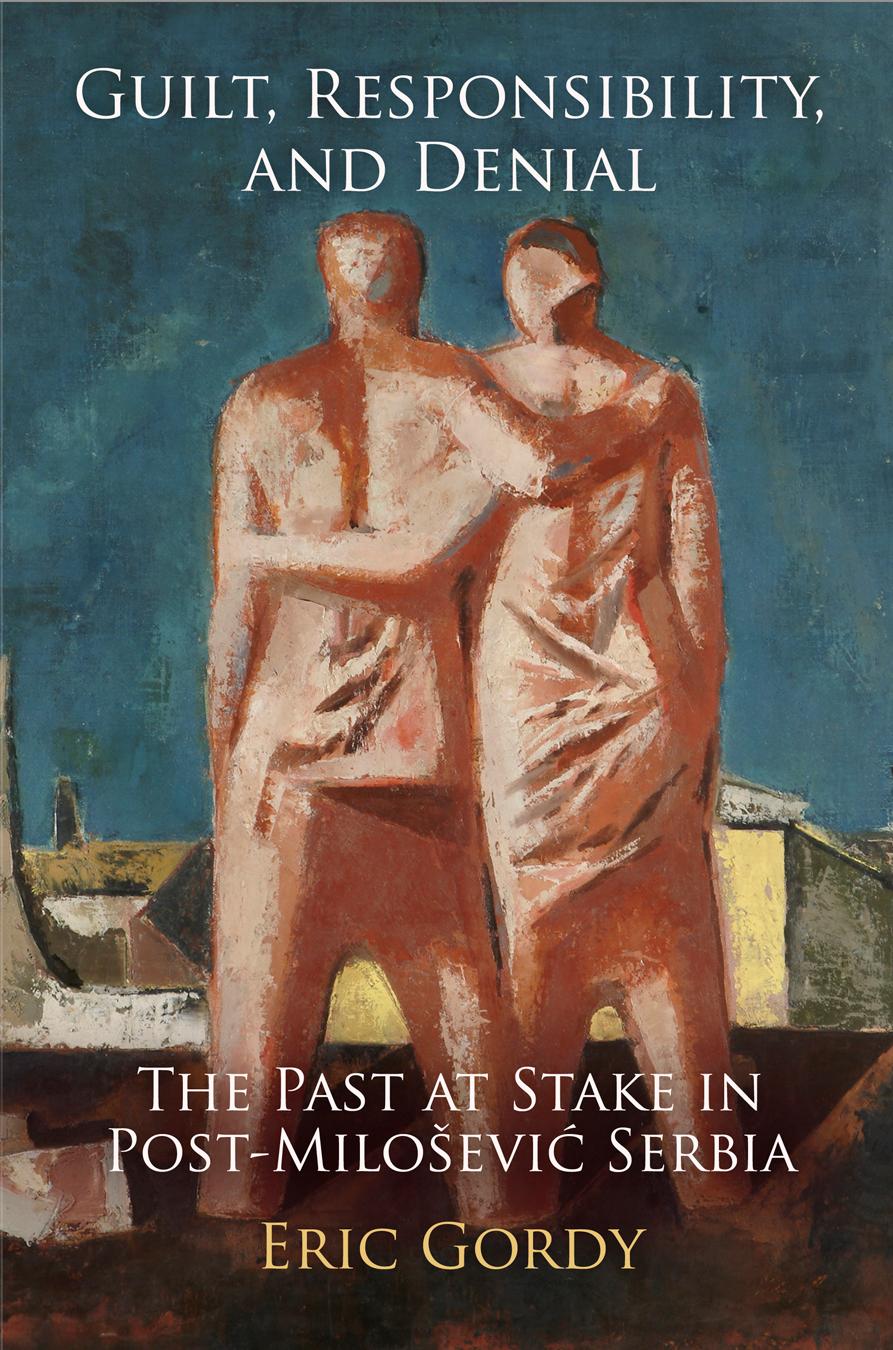
When the regime led by Slobodan Milošević came to an end in October 2000, expectations for social transformation in Serbia and the rest of the Balkans were high. The international community declared that an era of human rights had begun, while domestic actors hoped that the conditions that had made a violent dictatorship possible could be eliminated. More than a decade after the International Criminal Tribunal for the Former Yugoslavia initiated the process of bringing violators of international humanitarian law to justice, significant legal precedents and facts have been established, yet considerable gaps in the historical record, along with denial and disagreements, continue to exist in the public memory of the Yugoslav wars.
Guilt, Responsibility, and Denial sets out to trace the political, social, and moral challenges that Serbia faced from 2000 onward, offering an empirically rich and theoretically broad account of what was demanded of the country's citizens as well its political leadership—and how these challenges were alternately confronted and ignored. Eric Gordy makes extensive use of Serbian media to capture the internal debate surrounding the legacy of the country's war crimes, providing one of the first studies to examine international institutional efforts to build a set of public memories alongside domestic Serbian political reaction. By combining news accounts, courtroom transcripts, online discussions, and his own field research, Gordy explores how the conflicts and crimes that were committed under Milošević came to be understood by the people of Serbia and, more broadly, how projects of transitional justice affect the ways society faces issues of guilt and responsibility. In charting the legal, political, and cultural forces that shape public memory, Guilt, Responsibility, and Denial promises to become a standard resource for studies of Serbia as well as the workings of international and domestic justice in dealing with the aftermath of war crimes.
Before Memmo my notes were scattered across PDFs. Now a workspace pulls everything into one place — I see exactly what's still left to study.
Memmo's summaries are gold before exams. I don't have to re-read 800 pages two weeks before — just the important parts.
The AI chat has saved me the night before an exam more than once. I just keep asking until I get it — no waiting on a study group to reply.
The quizzes hit exactly what I need to know. Memmo tracks what I get stuck on — so I only practice what's worth it.
Flashcards with spaced repetition are magic. Memmo knows when I'm about to forget something and brings it back.
The AI podcasts are my favorite. I listen on my way to school and get a recap without sitting at a computer.

Handbok i kvalitativa metoder
281 kr

Hållbar utveckling: en introduktion för ingenjörer och andra problemlösare
334 kr

Brymans Samhällsvetenskapliga metoder
390 kr

Projektledning
491 kr

Den orättvisa hälsan: om socioekonomiska skillnader i hälsa och livslängd
326 kr

Vetenskapsteori för nybörjare
196 kr

Organizational Leadership
429 kr

På väg mot läraryrket
172 kr

Det sociala livet i skolan: Socialpsykologiska perspektiv
253 kr

Betygsättningens didaktik
151 kr

Personality
402 kr

Studying Leadership
404 kr

Managing Innovation
477 kr

Introduktion till samhällsvetenskaplig metod
347 kr

The Psychology of Sex and Gender
698 kr

Evidens och kunskap för socialt arbete
207 kr

Introduction to Leadership
605 kr