
Before Memmo my notes were scattered across PDFs. Now a workspace pulls everything into one place — I see exactly what's still left to study.
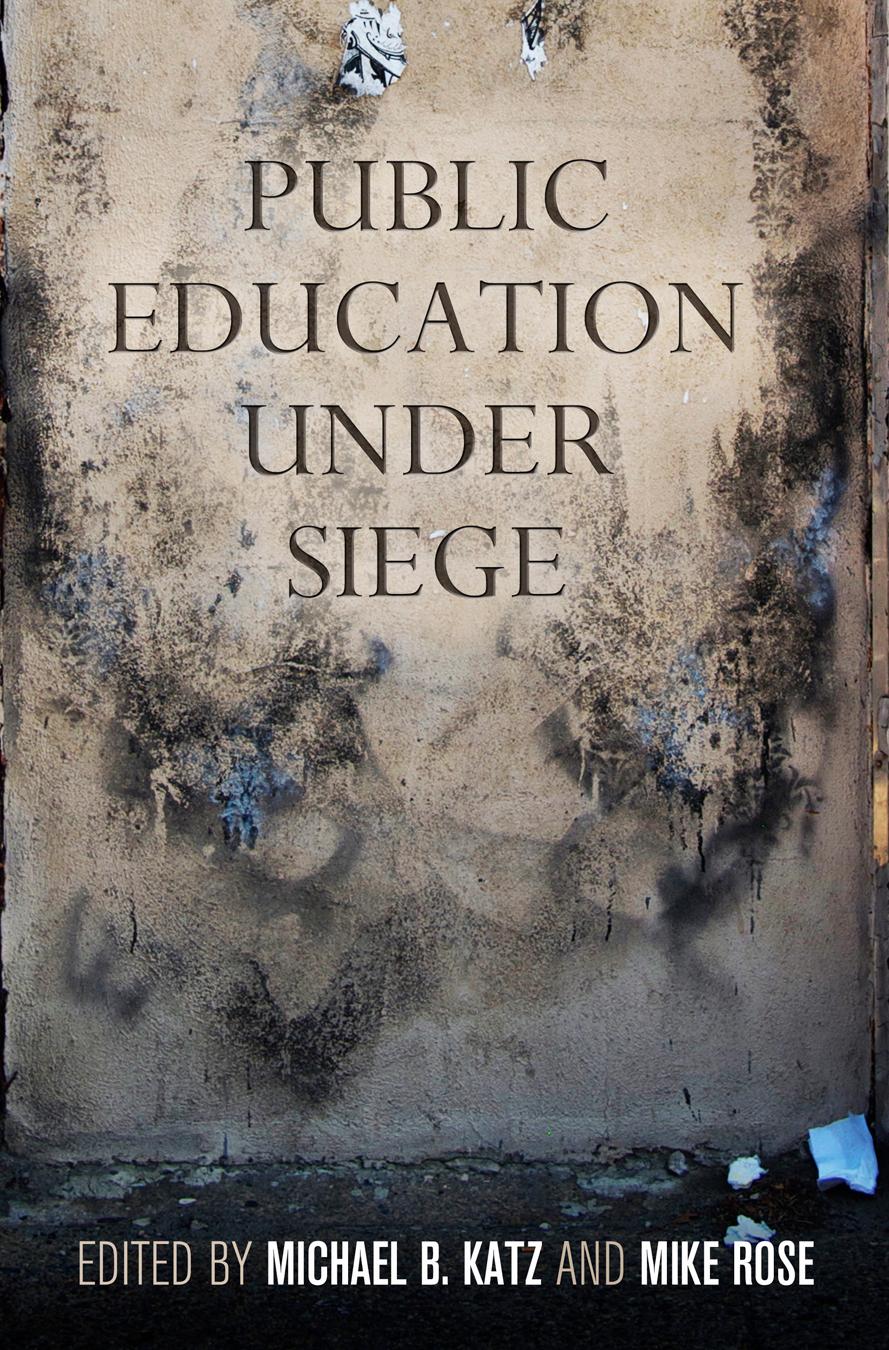
Proponents of education reform are committed to the idea that all children should receive a quality education, and that all of them have a capacity to learn and grow, whatever their ethnicity or economic circumstances. But though recent years have seen numerous reform efforts, the resources available to children in different municipalities still vary enormously, and despite landmark cases of the civil rights movement and ongoing pushes to enact diverse and inclusive curricula, racial and ethnic segregation remain commonplace. Public Education Under Siege examines why public schools are in such difficult straits, why the reigning ideology of school reform is ineffective, and what can be done about it.
Public Education Under Siege argues for an alternative to the test-driven, market-oriented core of the current reform agenda. Chapters from education policy experts and practitioners critically examine the overreliance on high-stakes testing, which narrows the content of education and frustrates creative teachers, and consider how to restore a more civic-centered vision of education in place of present dependence on questionable economistic models. These short, jargon-free essays cover public policy, teacher unions, economic inequality, race, language diversity, parent involvement, and leadership, collectively providing an overview of the present system and its limitations as well as a vision for the fulfillment of a democratic, egalitarian system of public education.
Contributors: Joanne Barkan, Maia Cucchiara, Ansley T. Erickson, Eugene E. Garcia, Eva Gold, Jeffrey R. Henig, Tyrone C. Howard, Richard D. Kahlenberg, Harvey Kantor, Michael B. Katz, David F. Labaree, Julia C. Lamber, Robert Lowe, Deborah Meier, Pedro Noguera, Rema Reynolds, Claire Robertson-Kraft, Jean C. Robinson, Mike Rose, Janelle Scott, Elaine Simon, Paul Skilton-Sylvester, Joi A. Spencer, Heather Ann Thompson, Tina Trujillo, Pamela Barnhouse Walters, Kevin G. Welner, Sarah Woulfin.
Before Memmo my notes were scattered across PDFs. Now a workspace pulls everything into one place — I see exactly what's still left to study.
Memmo's summaries are gold before exams. I don't have to re-read 800 pages two weeks before — just the important parts.
The AI chat has saved me the night before an exam more than once. I just keep asking until I get it — no waiting on a study group to reply.
The quizzes hit exactly what I need to know. Memmo tracks what I get stuck on — so I only practice what's worth it.
Flashcards with spaced repetition are magic. Memmo knows when I'm about to forget something and brings it back.
The AI podcasts are my favorite. I listen on my way to school and get a recap without sitting at a computer.

Handbok i kvalitativa metoder
281 kr

Hållbar utveckling: en introduktion för ingenjörer och andra problemlösare
334 kr

Brymans Samhällsvetenskapliga metoder
390 kr

Projektledning
491 kr

Den orättvisa hälsan: om socioekonomiska skillnader i hälsa och livslängd
326 kr

Organizational Leadership
429 kr

Vetenskapsteori för nybörjare
196 kr

På väg mot läraryrket
172 kr

Det sociala livet i skolan: Socialpsykologiska perspektiv
253 kr

Betygsättningens didaktik
151 kr

Personality
402 kr

Studying Leadership
404 kr

Managing Innovation
477 kr

Introduktion till samhällsvetenskaplig metod
347 kr

The Psychology of Sex and Gender
698 kr

Evidens och kunskap för socialt arbete
207 kr

Introduction to Leadership
605 kr