
Before Memmo my notes were scattered across PDFs. Now a workspace pulls everything into one place — I see exactly what's still left to study.
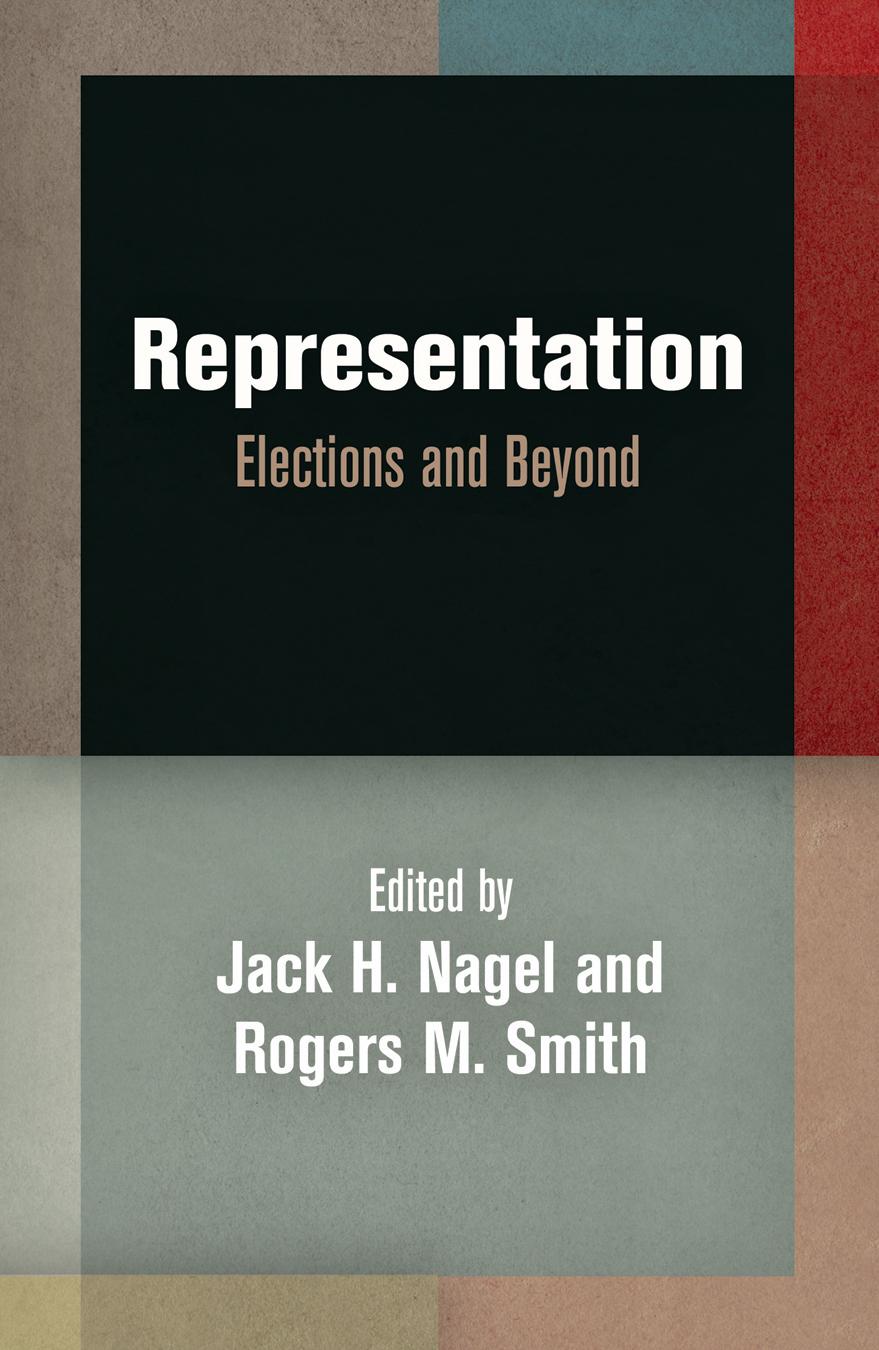
In any democracy, the central problem of governance is how to inform, organize, and represent the opinions of the public in order to advance three goals: popular control over leaders, equality among citizens, and competent governance. In most political analyses, voting is emphasized as the central and essential process in achieving these goals. Yet democratic representation encompasses a great deal more than voter beliefs and behavior and, indeed, involves much more than the machinery of elections. Democracy requires government agencies that respond to voter decisions, a civil society in which powerful organized interests do not dominate all others, and communication systems that permit divergent voices to be heard.
Representation: Elections and Beyond brings together leading international scholars from a wide range of disciplines to explore the twenty-first-century innovations—in voting laws and practices, in electoral systems, in administrative, political, and civil organizations, and in communication processes and new technologies—that are altering how we understand democratic representation. Featuring twelve essays that engage with national, provincial, and municipal governments across three continents, this volume tackles traditional core elements of democratic representation, such as voting, electoral systems, and political parties, while also underscoring the ways in which beliefs and preferences of citizens are influenced, expressed, and aggregated and the effects of those methods and practices on political agendas and policy outcomes. In pinpointing deficiencies in contemporary democratic practices and possibilities for reform, Representation provides an invaluable roadmap to improve democratic representation in the twenty-first century.
Contributors: André Blais, Pradeep Chhibber, Archon Fung, Jacob Hacker, Zoltan Hajnal, Matthew Hindman, David Karpf, Georgia Kernell, Alexander Keyssar, Anthony McGann, Susan Ostermann, Paul Pierson, Dennis Thompson, Jessica Trounstine, Mark E. Warren.
Before Memmo my notes were scattered across PDFs. Now a workspace pulls everything into one place — I see exactly what's still left to study.
Memmo's summaries are gold before exams. I don't have to re-read 800 pages two weeks before — just the important parts.
The AI chat has saved me the night before an exam more than once. I just keep asking until I get it — no waiting on a study group to reply.
The quizzes hit exactly what I need to know. Memmo tracks what I get stuck on — so I only practice what's worth it.
Flashcards with spaced repetition are magic. Memmo knows when I'm about to forget something and brings it back.
The AI podcasts are my favorite. I listen on my way to school and get a recap without sitting at a computer.

Handbok i kvalitativa metoder
281 kr

Hållbar utveckling: en introduktion för ingenjörer och andra problemlösare
334 kr

Brymans Samhällsvetenskapliga metoder
390 kr

Projektledning
491 kr

Den orättvisa hälsan: om socioekonomiska skillnader i hälsa och livslängd
326 kr

Organizational Leadership
429 kr

Vetenskapsteori för nybörjare
196 kr

På väg mot läraryrket
172 kr

Det sociala livet i skolan: Socialpsykologiska perspektiv
253 kr

Betygsättningens didaktik
151 kr

Personality
402 kr

Studying Leadership
404 kr

Managing Innovation
477 kr

Introduktion till samhällsvetenskaplig metod
347 kr

The Psychology of Sex and Gender
698 kr

Evidens och kunskap för socialt arbete
207 kr

Introduction to Leadership
605 kr