
Before Memmo my notes were scattered across PDFs. Now a workspace pulls everything into one place — I see exactly what's still left to study.
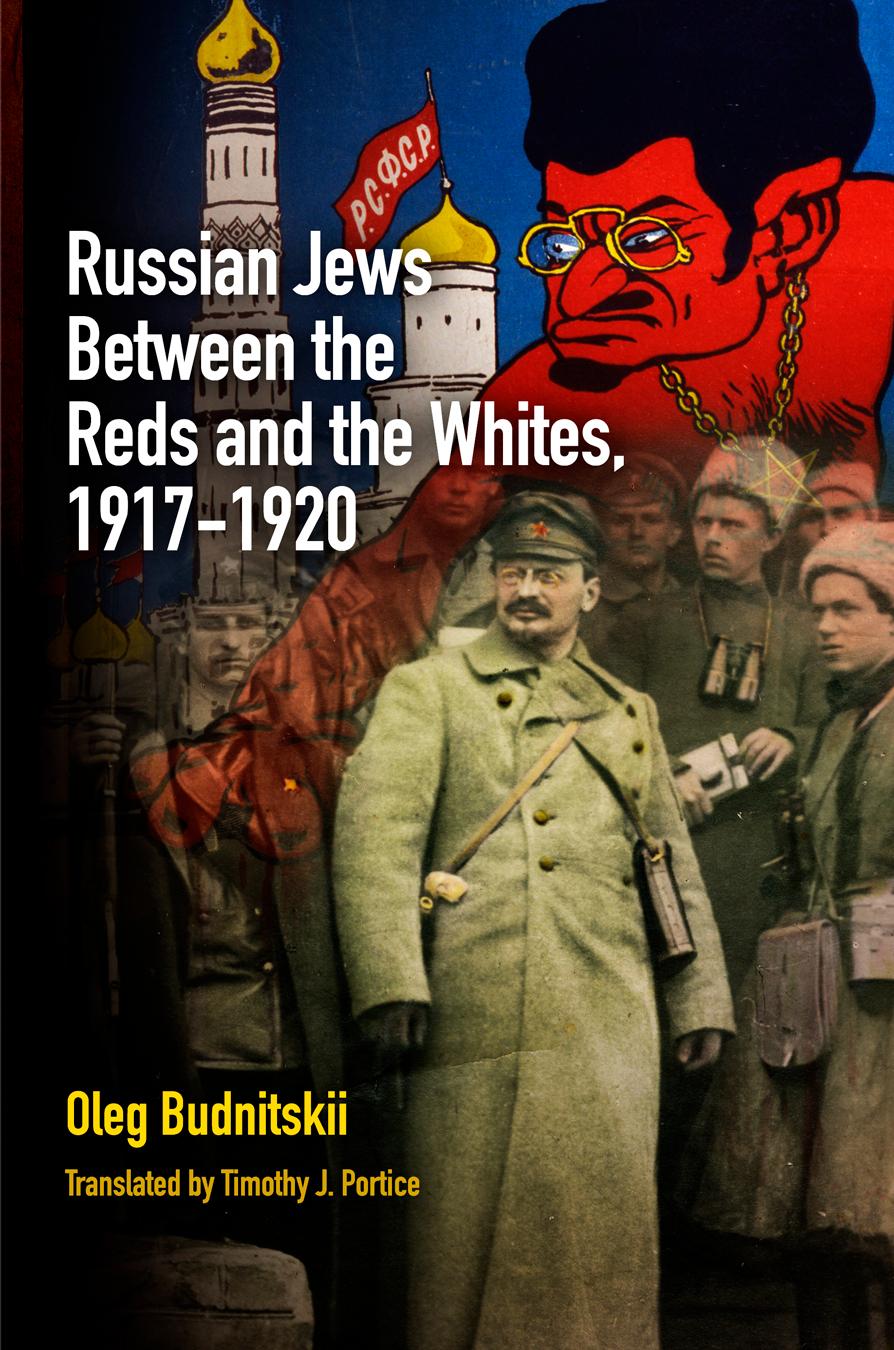
In the years following the Russian Revolution, a bitter civil war was waged between the Bolsheviks, with their Red Army of Workers and Peasants on the one side, and the various groups that constituted the anti-Bolshevik movement on the other. The major anti-Bolshevik force was the White Army, whose leadership consisted of former officers of the Russian imperial army. In the received—and simplified—version of this history, those Jews who were drawn into the political and military conflict were overwhelmingly affiliated with the Reds, while from the start, the Whites orchestrated campaigns of anti-Jewish violence, leading to the deaths of thousands of Jews in pogroms in the Ukraine and elsewhere.
In Russian Jews Between the Reds and the Whites, 1917-1920, Oleg Budnitskii provides the first comprehensive historical account of the role of Jews in the Russian Civil War. According to Budnitskii, Jews were both victims and executioners, and while they were among the founders of the Soviet state, they also played an important role in the establishment of the anti-Bolshevik factions. He offers a far more nuanced picture of the policies of the White leadership toward the Jews than has been previously available, exploring such issues as the role of prominent Jewish politicians in the establishment of the White movement of southern Russia, the "Jewish Question" in the White ideology and its international aspects, and the attempts of the Russian Orthodox Church and White diplomacy to forestall the establishment of a Jewish state in Palestine.
The relationship between the Jews and the Reds was no less complicated. Nearly all of the Jewish political parties severely disapproved of the Bolshevik coup, and the Red Army was hardly without sin when it came to pogroms against the Jews. Budnitskii offers a fresh assessment of the part played by Jews in the establishment of the Soviet state, of the turn in the policies of Jewish socialist parties after the first wave of mass pogroms and their efforts to attract Jews to the Red Army, of Bolshevik policies concerning the Jewish population, and of how these stances changed radically over the course of the Civil War.
Before Memmo my notes were scattered across PDFs. Now a workspace pulls everything into one place — I see exactly what's still left to study.
Memmo's summaries are gold before exams. I don't have to re-read 800 pages two weeks before — just the important parts.
The AI chat has saved me the night before an exam more than once. I just keep asking until I get it — no waiting on a study group to reply.
The quizzes hit exactly what I need to know. Memmo tracks what I get stuck on — so I only practice what's worth it.
Flashcards with spaced repetition are magic. Memmo knows when I'm about to forget something and brings it back.
The AI podcasts are my favorite. I listen on my way to school and get a recap without sitting at a computer.

Handbok i kvalitativa metoder
281 kr

Hållbar utveckling: en introduktion för ingenjörer och andra problemlösare
334 kr

Brymans Samhällsvetenskapliga metoder
390 kr

Projektledning
491 kr

Den orättvisa hälsan: om socioekonomiska skillnader i hälsa och livslängd
326 kr

Vetenskapsteori för nybörjare
196 kr

Organizational Leadership
429 kr

På väg mot läraryrket
172 kr

Det sociala livet i skolan: Socialpsykologiska perspektiv
253 kr

Betygsättningens didaktik
151 kr

Personality
402 kr

Studying Leadership
404 kr

Managing Innovation
477 kr

Introduktion till samhällsvetenskaplig metod
347 kr

The Psychology of Sex and Gender
698 kr

Evidens och kunskap för socialt arbete
207 kr

Introduction to Leadership
605 kr