
Before Memmo my notes were scattered across PDFs. Now a workspace pulls everything into one place — I see exactly what's still left to study.
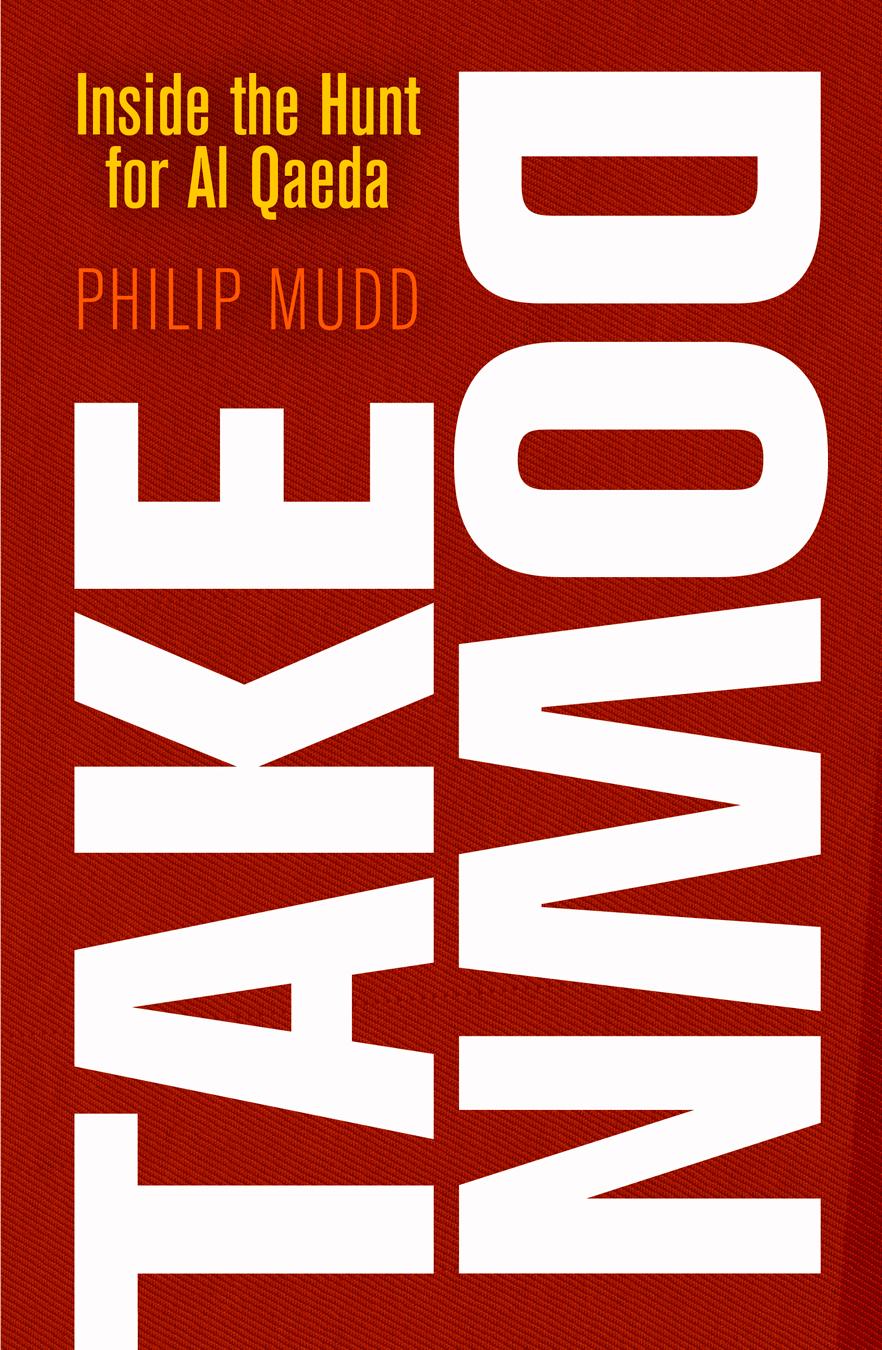
On September 11, 2001, as Central Intelligence Agency analyst Philip Mudd rushed out of the Eisenhower Executive Office Building next to the White House, he could not anticipate how far the terror unleashed that day would change the world of intelligence and his life as a CIA officer. For the previous fifteen years, his role had been to interpret raw intelligence and report his findings to national security decision makers. But within weeks of the 9/11 attacks, he would be on a military aircraft, flying over the Hindu Kush mountains, en route to Afghanistan as part of the U.S. government's effort to support the fledging government there after U.S. forces had toppled the Taliban. Later, Mudd would be appointed deputy director of the CIA's rapidly expanding Counterterrorist Center and then senior intelligence adviser at the FBI. A first-person account of Mudd's role in two organizations that changed dramatically after 9/11, Takedown sheds light on the inner workings of the intelligence community during the global counterterror campaign.
Here Mudd tells how the Al Qaeda threat looked to CIA and FBI professionals as the focus shifted from a core Al Qaeda leadership to the rise of Al Qaeda-affiliated groups and homegrown violent extremism from Europe, the Middle East, and Asia. As a participant in and a witness to key strategic initiatives—including the hunt for Osama bin Laden and efforts to displace the Taliban—Mudd offers an insider's perspective on the relationships between the White House, the State Department, and national security agencies before and after the invasions of Iraq and Afghanistan. Through telling vignettes, Mudd reveals how intelligence analysts understood and evaluated potential dangers and communicated them to political leaders.
Takedown is a gripping narrative of tracking terrorism during what may be the most exhilarating but trying times the American intelligence community has ever experienced.
Before Memmo my notes were scattered across PDFs. Now a workspace pulls everything into one place — I see exactly what's still left to study.
Memmo's summaries are gold before exams. I don't have to re-read 800 pages two weeks before — just the important parts.
The AI chat has saved me the night before an exam more than once. I just keep asking until I get it — no waiting on a study group to reply.
The quizzes hit exactly what I need to know. Memmo tracks what I get stuck on — so I only practice what's worth it.
Flashcards with spaced repetition are magic. Memmo knows when I'm about to forget something and brings it back.
The AI podcasts are my favorite. I listen on my way to school and get a recap without sitting at a computer.

Handbok i kvalitativa metoder
281 kr

Hållbar utveckling: en introduktion för ingenjörer och andra problemlösare
334 kr

Brymans Samhällsvetenskapliga metoder
390 kr

Projektledning
491 kr

Den orättvisa hälsan: om socioekonomiska skillnader i hälsa och livslängd
326 kr

Vetenskapsteori för nybörjare
196 kr

Organizational Leadership
429 kr

På väg mot läraryrket
172 kr

Det sociala livet i skolan: Socialpsykologiska perspektiv
253 kr

Betygsättningens didaktik
151 kr

Personality
402 kr

Studying Leadership
404 kr

Managing Innovation
477 kr

Introduktion till samhällsvetenskaplig metod
347 kr

The Psychology of Sex and Gender
698 kr

Evidens och kunskap för socialt arbete
207 kr

Introduction to Leadership
605 kr