
Before Memmo my notes were scattered across PDFs. Now a workspace pulls everything into one place — I see exactly what's still left to study.
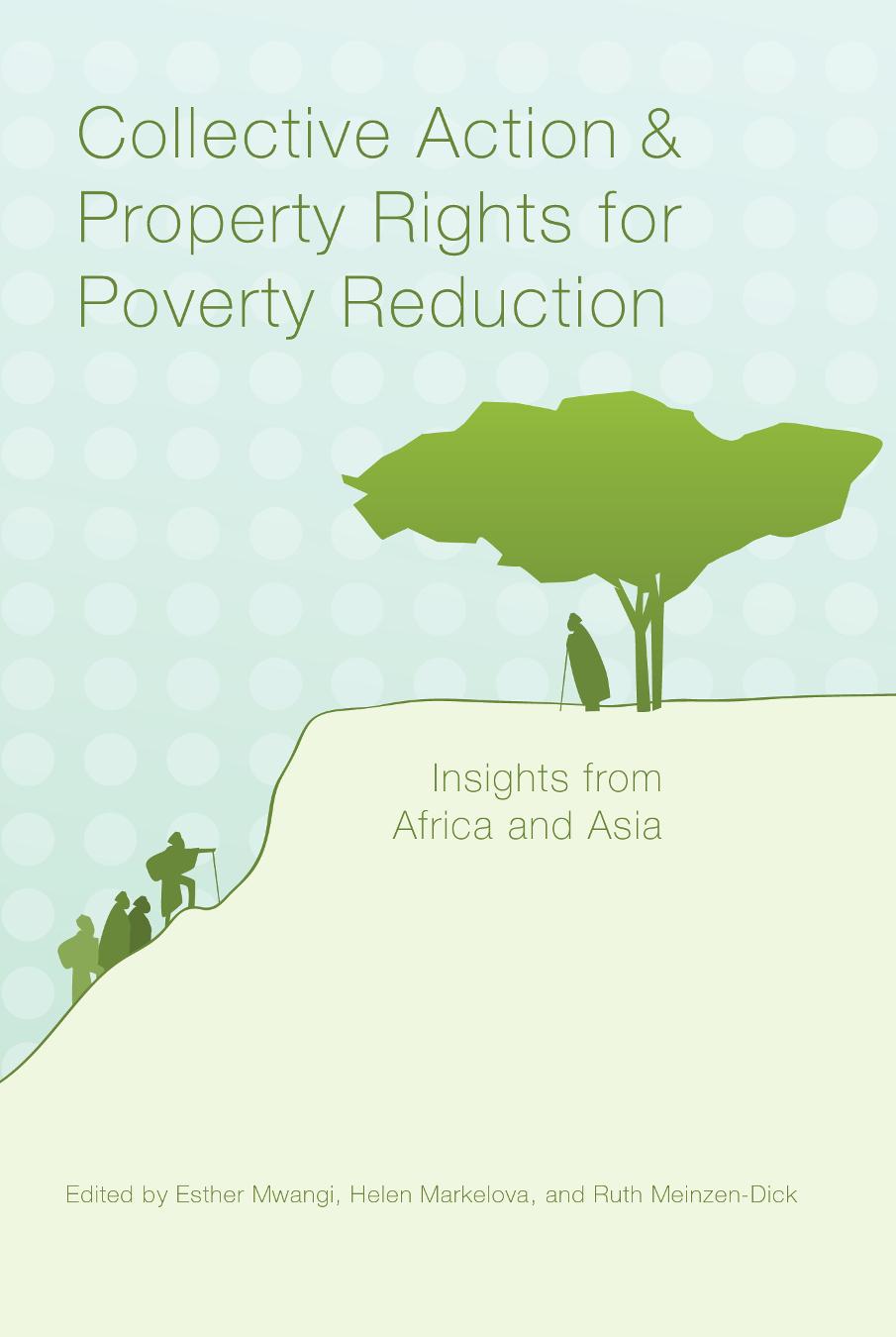
To improve their well-being, the poor in developing countries have used both collective action through formal and informal groups and property rights to natural resources. Collective Action and Property Rights for Poverty Reduction: Insights from Africa and Asia examines how these two types of institutions, separately and together, influence quality of life and how they can be strengthened to improve the livelihoods of the rural poor.
The product of a global research study by the Systemwide Program on Collective Action and Property Rights (CAPRi) of the Consultative Group on International Agricultural Research, this book draws on case studies from East Africa and South and Southeast Asia to investigate how collective action and property rights have contributed to poverty reduction. The book extends the analysis of these institutions beyond their frequently studied role in natural resource management by also examining how they can reduce vulnerability to different types of shocks.
Essays in the volume identify opportunities and risks present in the institutions of collective action and property rights. For example, property rights to natural resources can offer a variety of advantages, providing individuals and groups not only with benefits and incomes but also with assets that can counter the negative effects of shocks such as drought, and can make collective action easier. The authors also demonstrate that collective action has the potential to reduce poverty if it includes more vulnerable groups such as women, ethnic minorities, and the very poor. Preventing exclusion of these often-marginalized groups and guaranteeing genuinely inclusive collective action might require special rules and policies. Another danger to the poor is the capture of property rights by elites, which can be the result of privatization and decentralization policies; case studies and analysis identify actions to prevent such elite capture.
Before Memmo my notes were scattered across PDFs. Now a workspace pulls everything into one place — I see exactly what's still left to study.
Memmo's summaries are gold before exams. I don't have to re-read 800 pages two weeks before — just the important parts.
The AI chat has saved me the night before an exam more than once. I just keep asking until I get it — no waiting on a study group to reply.
The quizzes hit exactly what I need to know. Memmo tracks what I get stuck on — so I only practice what's worth it.
Flashcards with spaced repetition are magic. Memmo knows when I'm about to forget something and brings it back.
The AI podcasts are my favorite. I listen on my way to school and get a recap without sitting at a computer.

Handbok i kvalitativa metoder
281 kr

Hållbar utveckling: en introduktion för ingenjörer och andra problemlösare
334 kr

Brymans Samhällsvetenskapliga metoder
390 kr

Projektledning
491 kr

Den orättvisa hälsan: om socioekonomiska skillnader i hälsa och livslängd
326 kr

Vetenskapsteori för nybörjare
196 kr

Organizational Leadership
429 kr

På väg mot läraryrket
172 kr

Det sociala livet i skolan: Socialpsykologiska perspektiv
253 kr

Betygsättningens didaktik
151 kr

Personality
402 kr

Studying Leadership
404 kr

Managing Innovation
477 kr

Introduktion till samhällsvetenskaplig metod
347 kr

The Psychology of Sex and Gender
698 kr

Evidens och kunskap för socialt arbete
207 kr

Introduction to Leadership
605 kr