
Before Memmo my notes were scattered across PDFs. Now a workspace pulls everything into one place — I see exactly what's still left to study.
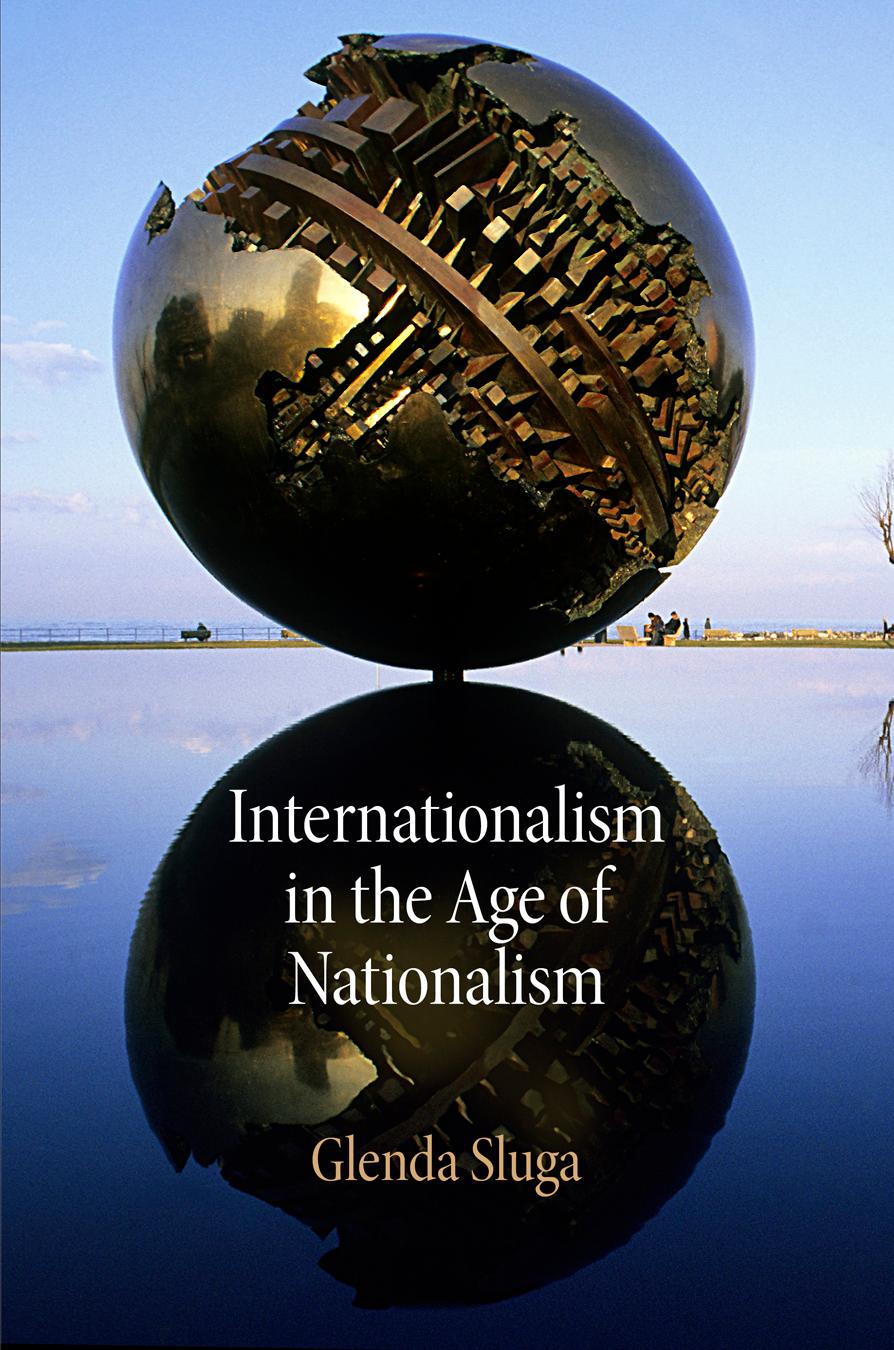
The twentieth century, a time of profound disillusionment with nationalism, was also the great age of internationalism. To the twenty-first-century historian, the period from the late nineteenth century until the end of the Cold War is distinctive for its nationalist preoccupations, while internationalism is often construed as the purview of ideologues and idealists, a remnant of Enlightenment-era narratives of the progress of humanity into a global community. Glenda Sluga argues to the contrary, that the concepts of nationalism and internationalism were very much entwined throughout the twentieth century and mutually shaped the attitudes toward interdependence and transnationalism that influence global politics in the present day.
Internationalism in the Age of Nationalism traces the arc of internationalism through its rise before World War I, its apogee at the end of World War II, its reprise in the global seventies and the post-Cold War nineties, and its decline after 9/11. Drawing on original archival material and contemporary accounts, Sluga focuses on specific moments when visions of global community occupied the liberal political mainstream, often through the maneuvers of iconic organizations such as the League of Nations and the United Nations, which stood for the sovereignty of nation-states while creating the conditions under which marginalized colonial subjects and women could make their voices heard in an international arena. In this retelling of the history of the twentieth century, conceptions of sovereignty, community, and identity were the objects of trade and reinvention among diverse intellectual and social communities, and internationalism was imagined as the means of national independence and national rights, as well as the antidote to nationalism.
This innovative history highlights the role of internationalism in the evolution of political, economic, social, and cultural modernity, and maps out a new way of thinking about the twentieth century.
Before Memmo my notes were scattered across PDFs. Now a workspace pulls everything into one place — I see exactly what's still left to study.
Memmo's summaries are gold before exams. I don't have to re-read 800 pages two weeks before — just the important parts.
The AI chat has saved me the night before an exam more than once. I just keep asking until I get it — no waiting on a study group to reply.
The quizzes hit exactly what I need to know. Memmo tracks what I get stuck on — so I only practice what's worth it.
Flashcards with spaced repetition are magic. Memmo knows when I'm about to forget something and brings it back.
The AI podcasts are my favorite. I listen on my way to school and get a recap without sitting at a computer.

Handbok i kvalitativa metoder
281 kr

Hållbar utveckling: en introduktion för ingenjörer och andra problemlösare
334 kr

Brymans Samhällsvetenskapliga metoder
390 kr

Projektledning
491 kr

Den orättvisa hälsan: om socioekonomiska skillnader i hälsa och livslängd
326 kr

Vetenskapsteori för nybörjare
196 kr

Organizational Leadership
429 kr

På väg mot läraryrket
172 kr

Det sociala livet i skolan: Socialpsykologiska perspektiv
253 kr

Betygsättningens didaktik
151 kr

Personality
402 kr

Studying Leadership
404 kr

Managing Innovation
477 kr

Introduktion till samhällsvetenskaplig metod
347 kr

The Psychology of Sex and Gender
698 kr

Evidens och kunskap för socialt arbete
207 kr

Introduction to Leadership
605 kr