
Before Memmo my notes were scattered across PDFs. Now a workspace pulls everything into one place — I see exactly what's still left to study.
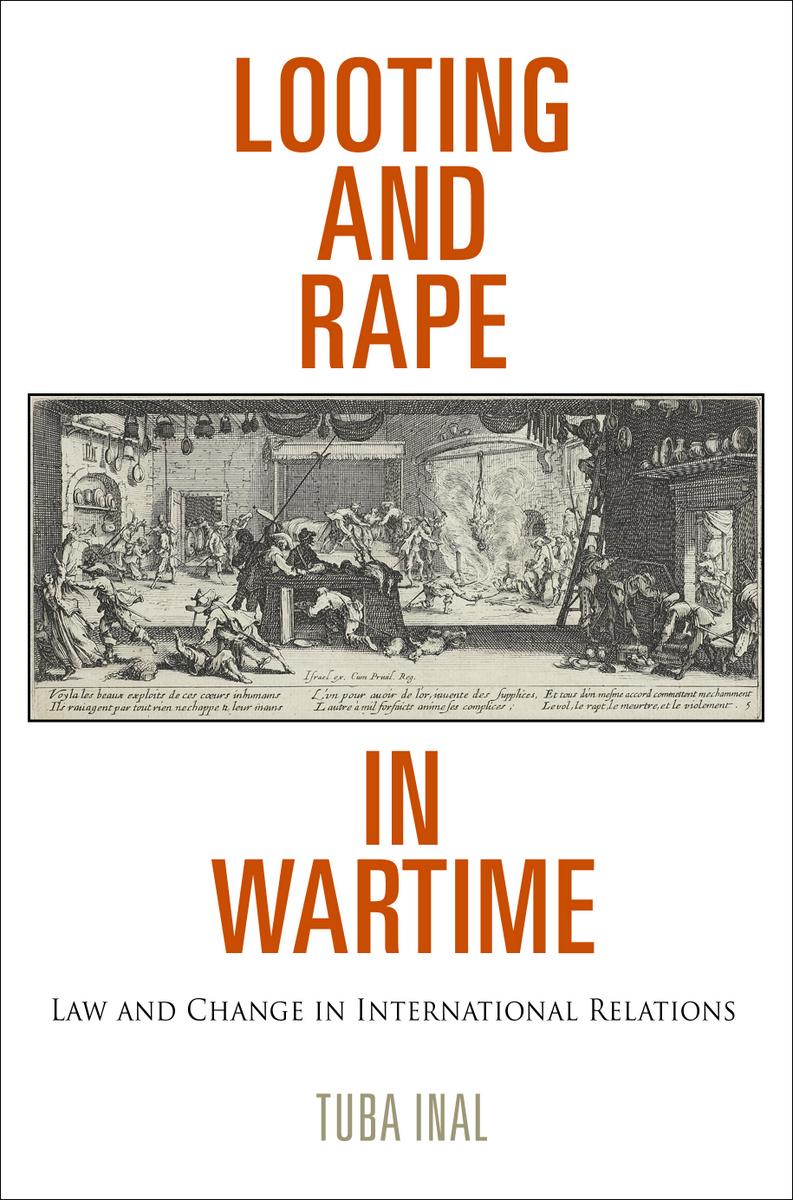
Women were historically treated in wartime as property. Yet in the Hague Conventions of 1899 and 1907, prohibitions against pillaging property did not extend to the female body. There is a gap of nearly a hundred years between those early prohibitions of pillage and the prohibition of rape finally enacted in the Rome Statute of 1998. In Looting and Rape in Wartime, Tuba Inal addresses the development of these two separate "prohibition regimes," exploring why states make and agree to laws that determine the way war is conducted, and what role gender plays in this process.
Inal argues that three conditions are necessary for the emergence of a global prohibition regime: first, a state must believe that it is necessary to comply with the prohibition and that to do otherwise would be costly; second, the idea that a particular practice is undesirable must become the norm; finally, a prohibition regime emerges with state and nonstate actors supporting it all along the way. These conditions are met by the prohibition against pillage, which developed from a confluence of material circumstances and an ideological context: the nineteenth century fostered ideas about the sanctity of private property, which made the act of looting seem more abhorrent. Meanwhile, the existence of conscripted and regulated armies meant that militaries could take measures to prevent it. In that period, however, rape was still considered a crime of passion or a symptom of behavioral disorder—in other words, a distortion of male sexuality and outside of state control—and it would take many decades to erode the grip of those ideas. Only toward the end of the twentieth century did transformations in gender ideology and the increased participation of women in politics bring about broad cultural shifts in the way we perceive sexual violence, women, and women's roles in policy and lawmaking.
In examining the historical and ideological context of how these two regimes evolved, Looting and Rape in Wartime provides vital perspective on the forces that block or bring about change in international relations.
Before Memmo my notes were scattered across PDFs. Now a workspace pulls everything into one place — I see exactly what's still left to study.
Memmo's summaries are gold before exams. I don't have to re-read 800 pages two weeks before — just the important parts.
The AI chat has saved me the night before an exam more than once. I just keep asking until I get it — no waiting on a study group to reply.
The quizzes hit exactly what I need to know. Memmo tracks what I get stuck on — so I only practice what's worth it.
Flashcards with spaced repetition are magic. Memmo knows when I'm about to forget something and brings it back.
The AI podcasts are my favorite. I listen on my way to school and get a recap without sitting at a computer.

Handbok i kvalitativa metoder
281 kr

Hållbar utveckling: en introduktion för ingenjörer och andra problemlösare
334 kr

Brymans Samhällsvetenskapliga metoder
390 kr

Projektledning
491 kr

Den orättvisa hälsan: om socioekonomiska skillnader i hälsa och livslängd
326 kr

Vetenskapsteori för nybörjare
196 kr

Organizational Leadership
429 kr

På väg mot läraryrket
172 kr

Det sociala livet i skolan: Socialpsykologiska perspektiv
253 kr

Betygsättningens didaktik
151 kr

Personality
402 kr

Studying Leadership
404 kr

Managing Innovation
477 kr

Introduktion till samhällsvetenskaplig metod
347 kr

The Psychology of Sex and Gender
698 kr

Evidens och kunskap för socialt arbete
207 kr

Introduction to Leadership
605 kr