
Before Memmo my notes were scattered across PDFs. Now a workspace pulls everything into one place — I see exactly what's still left to study.
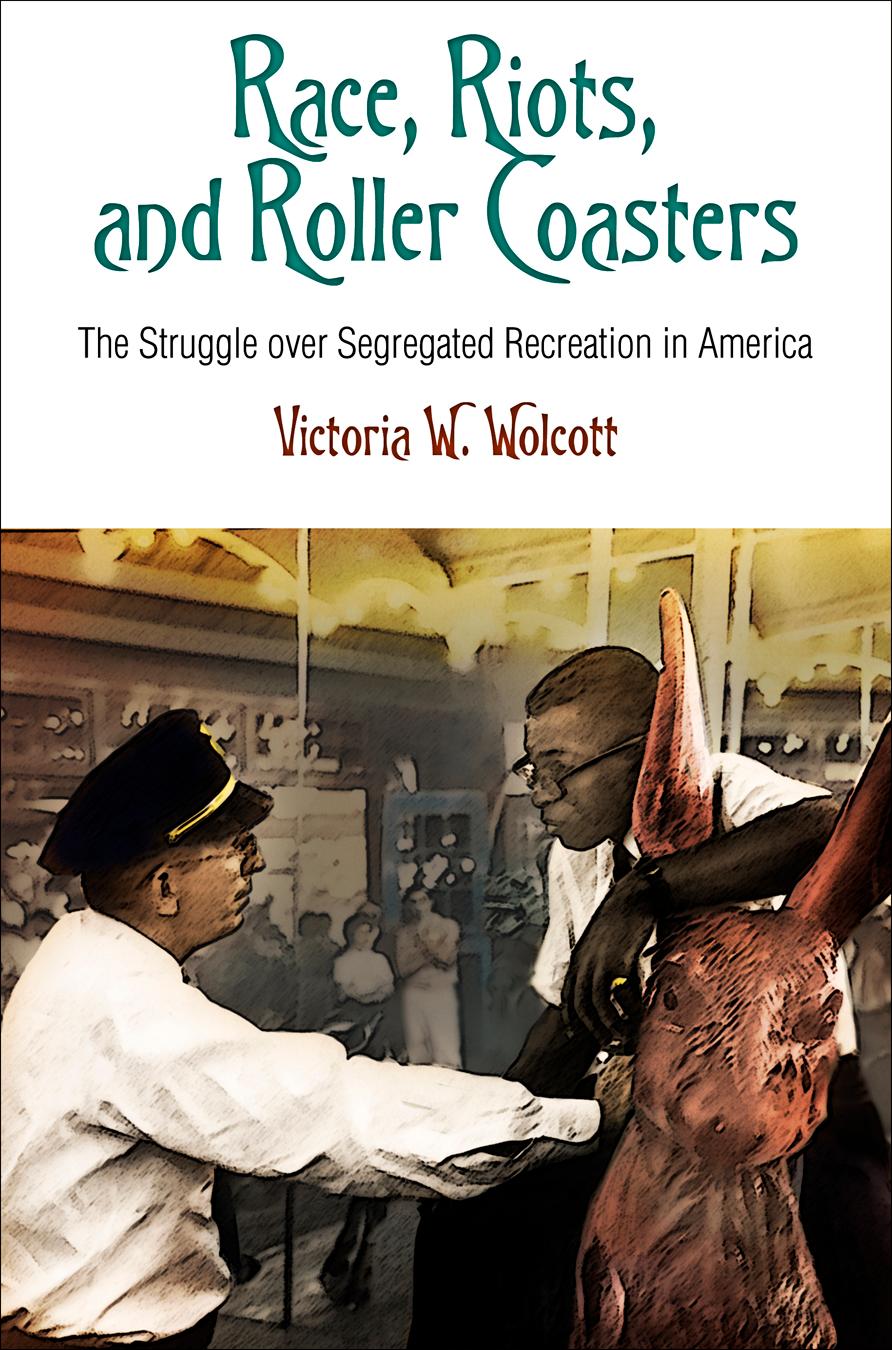
Throughout the twentieth century, African Americans challenged segregation at amusement parks, swimming pools, and skating rinks not only in pursuit of pleasure but as part of a wider struggle for racial equality. Well before the Montgomery bus boycott, mothers led their children into segregated amusement parks, teenagers congregated at forbidden swimming pools, and church groups picnicked at white-only parks. But too often white mobs attacked those who dared to transgress racial norms. In Race, Riots, and Roller Coasters, Victoria W. Wolcott tells the story of this battle for access to leisure space in cities all over the United States.
Contradicting the nostalgic image of urban leisure venues as democratic spaces, Wolcott reveals that racial segregation was crucial to their appeal. Parks, pools, and playgrounds offered city dwellers room to exercise, relax, and escape urban cares. These gathering spots also gave young people the opportunity to mingle, flirt, and dance. As cities grew more diverse, these social forms of fun prompted white insistence on racially exclusive recreation. Wolcott shows how black activists and ordinary people fought such infringements on their right to access public leisure. In the face of violence and intimidation, they swam at white-only beaches, boycotted discriminatory roller rinks, and picketed Jim Crow amusement parks. When African Americans demanded inclusive public recreational facilities, white consumers abandoned those places. Many parks closed or privatized within a decade of desegregation. Wolcott's book tracks the decline of the urban amusement park and the simultaneous rise of the suburban theme park, reframing these shifts within the civil rights context.
Filled with detailed accounts and powerful insights, Race, Riots, and Roller Coasters brings to light overlooked aspects of conflicts over public accommodations. This eloquent history demonstrates the significance of leisure in American race relations.
Before Memmo my notes were scattered across PDFs. Now a workspace pulls everything into one place — I see exactly what's still left to study.
Memmo's summaries are gold before exams. I don't have to re-read 800 pages two weeks before — just the important parts.
The AI chat has saved me the night before an exam more than once. I just keep asking until I get it — no waiting on a study group to reply.
The quizzes hit exactly what I need to know. Memmo tracks what I get stuck on — so I only practice what's worth it.
Flashcards with spaced repetition are magic. Memmo knows when I'm about to forget something and brings it back.
The AI podcasts are my favorite. I listen on my way to school and get a recap without sitting at a computer.

Handbok i kvalitativa metoder
281 kr

Hållbar utveckling: en introduktion för ingenjörer och andra problemlösare
334 kr

Brymans Samhällsvetenskapliga metoder
390 kr

Projektledning
491 kr

Den orättvisa hälsan: om socioekonomiska skillnader i hälsa och livslängd
326 kr

Organizational Leadership
429 kr

Vetenskapsteori för nybörjare
196 kr

På väg mot läraryrket
172 kr

Det sociala livet i skolan: Socialpsykologiska perspektiv
253 kr

Betygsättningens didaktik
151 kr

Personality
402 kr

Studying Leadership
404 kr

Managing Innovation
477 kr

Introduktion till samhällsvetenskaplig metod
347 kr

The Psychology of Sex and Gender
698 kr

Evidens och kunskap för socialt arbete
207 kr

Introduction to Leadership
605 kr