
Before Memmo my notes were scattered across PDFs. Now a workspace pulls everything into one place — I see exactly what's still left to study.
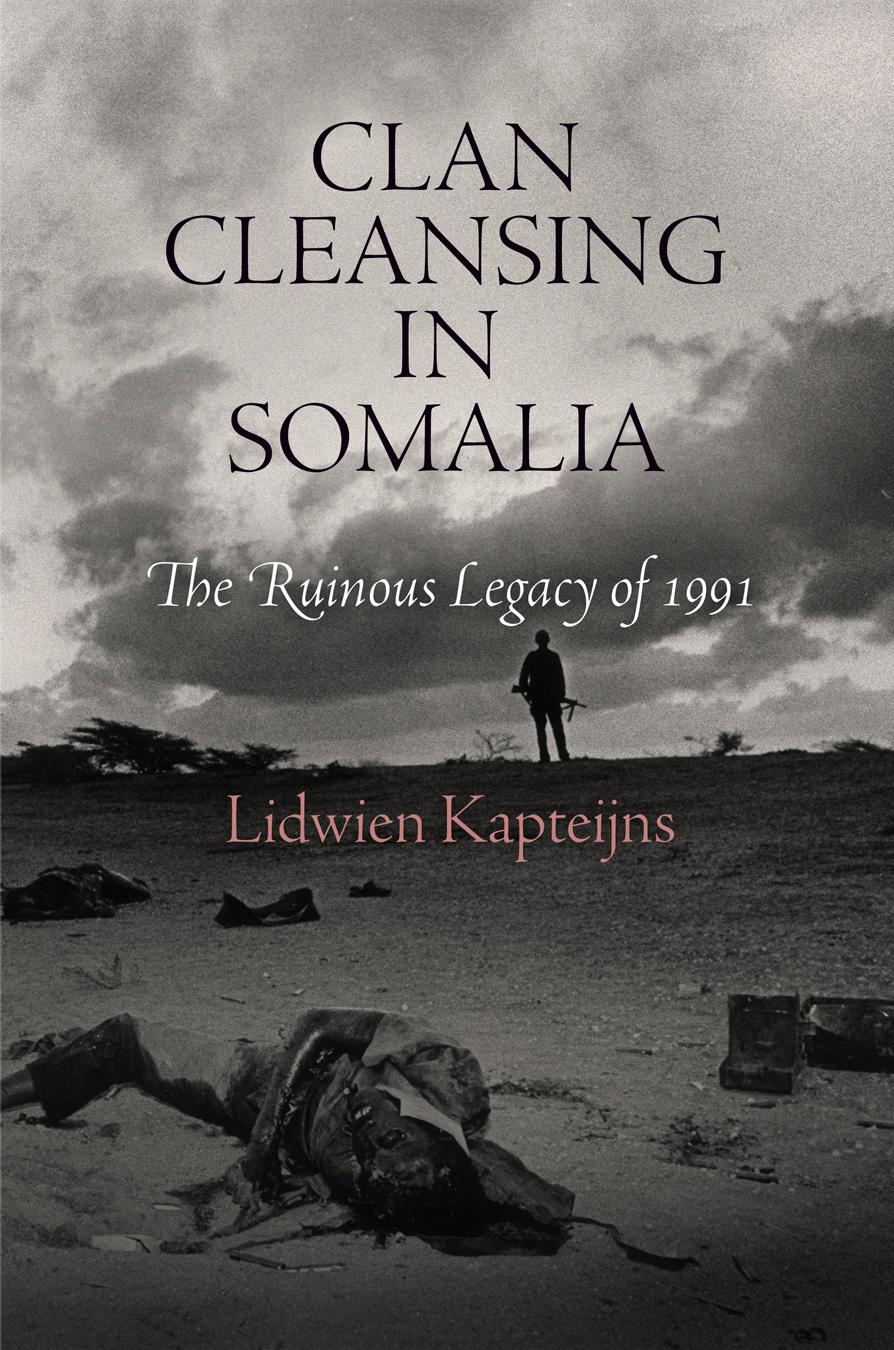
In 1991, certain political and military leaders in Somalia, wishing to gain exclusive control over the state, mobilized their followers to use terror—wounding, raping, and killing—to expel a vast number of Somalis from the capital city of Mogadishu and south-central and southern Somalia. Manipulating clan sentiment, they succeeded in turning ordinary civilians against neighbors, friends, and coworkers. Although this episode of organized communal violence is common knowledge among Somalis, its real nature has not been publicly acknowledged and has been ignored, concealed, or misrepresented in scholarly works and political memoirs—until now. Marshaling a vast amount of source material, including Somali poetry and survivor accounts, Clan Cleansing in Somalia analyzes this campaign of clan cleansing against the historical background of a violent and divisive military dictatorship, in the contemporary context of regime collapse, and in relationship to the rampant militia warfare that followed in its wake.
Clan Cleansing in Somalia also reflects on the relationship between history, truth, and postconflict reconstruction in Somalia. Documenting the organization and intent behind the campaign of clan cleansing, Lidwien Kapteijns traces the emergence of the hate narratives and code words that came to serve as rationales and triggers for the violence. However, it was not clans that killed, she insists, but people who killed in the name of clan. Kapteijns argues that the mutual forgiveness for which politicians often so lightly call is not a feasible proposition as long as the violent acts for which Somalis should forgive each other remain suppressed and undiscussed. Clan Cleansing in Somalia establishes that public acknowledgment of the ruinous turn to communal violence is indispensable to social and moral repair, and can provide a gateway for the critical memory work required from Somalis on all sides of this multifaceted conflict.
Before Memmo my notes were scattered across PDFs. Now a workspace pulls everything into one place — I see exactly what's still left to study.
Memmo's summaries are gold before exams. I don't have to re-read 800 pages two weeks before — just the important parts.
The AI chat has saved me the night before an exam more than once. I just keep asking until I get it — no waiting on a study group to reply.
The quizzes hit exactly what I need to know. Memmo tracks what I get stuck on — so I only practice what's worth it.
Flashcards with spaced repetition are magic. Memmo knows when I'm about to forget something and brings it back.
The AI podcasts are my favorite. I listen on my way to school and get a recap without sitting at a computer.

Handbok i kvalitativa metoder
281 kr

Hållbar utveckling: en introduktion för ingenjörer och andra problemlösare
334 kr

Brymans Samhällsvetenskapliga metoder
390 kr

Projektledning
491 kr

Den orättvisa hälsan: om socioekonomiska skillnader i hälsa och livslängd
326 kr

Vetenskapsteori för nybörjare
196 kr

Organizational Leadership
429 kr

På väg mot läraryrket
172 kr

Det sociala livet i skolan: Socialpsykologiska perspektiv
253 kr

Betygsättningens didaktik
151 kr

Personality
402 kr

Studying Leadership
404 kr

Managing Innovation
477 kr

Introduktion till samhällsvetenskaplig metod
347 kr

The Psychology of Sex and Gender
698 kr

Evidens och kunskap för socialt arbete
207 kr

Introduction to Leadership
605 kr