
Before Memmo my notes were scattered across PDFs. Now a workspace pulls everything into one place — I see exactly what's still left to study.
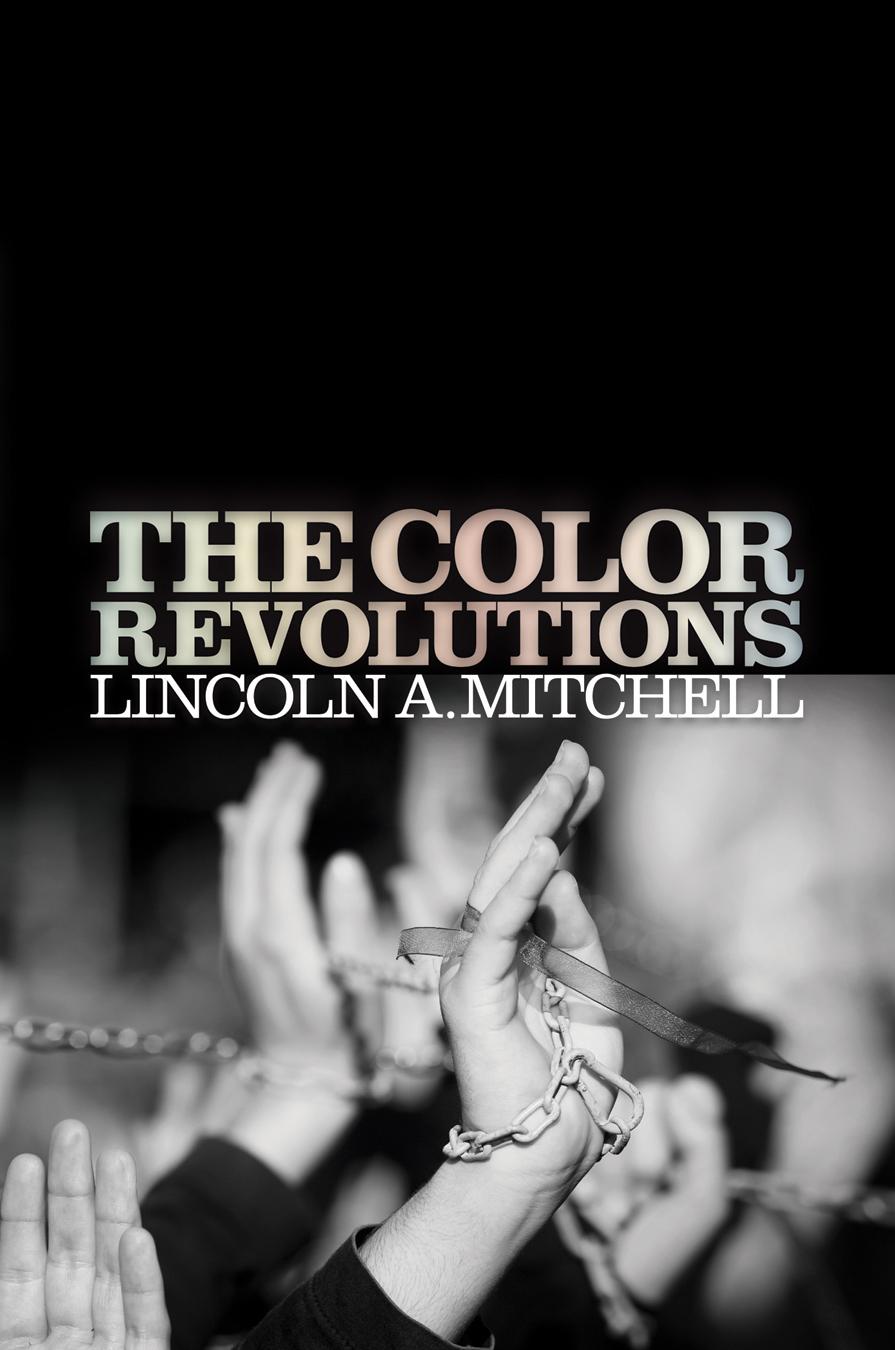
From late 2003 through mid-2005, a series of peaceful street protests toppled corrupt and undemocratic regimes in Georgia, Ukraine, and Kyrgyzstan and ushered in the election of new presidents in all three nations. These movements—collectively known as the Color Revolutions—were greeted in the West as democratic breakthroughs that might thoroughly reshape the political terrain of the former Soviet Union.
But as Lincoln A. Mitchell explains in The Color Revolutions, it has since become clear that these protests were as much reflections of continuity as they were moments of radical change. Not only did these movements do little to spur democratic change in other post-Soviet states, but their impact on Georgia, Ukraine, and Kyrgyzstan themselves was quite different from what was initially expected. In fact, Mitchell suggests, the Color Revolutions are best understood as phases in each nation's long post-Communist transition: significant events, to be sure, but far short of true revolutions.
The Color Revolutions explores the causes and consequences of all three Color Revolutions—the Rose Revolution in Georgia, the Orange Revolution in Ukraine, and the Tulip Revolution in Kyrgyzstan—identifying both common themes and national variations. Mitchell's analysis also addresses the role of American democracy promotion programs, the responses of nondemocratic regimes to the Color Revolutions, the impact of these events on U.S.-Russian relations, and the failed "revolutions" in Azerbaijan and Belarus in 2005 and 2006.
At a time when the Arab Spring has raised hopes for democratic development in the Middle East, Mitchell's account of the Color Revolutions serves as a valuable reminder of the dangers of confusing dramatic moments with lasting democratic breakthroughs.
Before Memmo my notes were scattered across PDFs. Now a workspace pulls everything into one place — I see exactly what's still left to study.
Memmo's summaries are gold before exams. I don't have to re-read 800 pages two weeks before — just the important parts.
The AI chat has saved me the night before an exam more than once. I just keep asking until I get it — no waiting on a study group to reply.
The quizzes hit exactly what I need to know. Memmo tracks what I get stuck on — so I only practice what's worth it.
Flashcards with spaced repetition are magic. Memmo knows when I'm about to forget something and brings it back.
The AI podcasts are my favorite. I listen on my way to school and get a recap without sitting at a computer.

Handbok i kvalitativa metoder
281 kr

Hållbar utveckling: en introduktion för ingenjörer och andra problemlösare
334 kr

Brymans Samhällsvetenskapliga metoder
390 kr

Projektledning
491 kr

Den orättvisa hälsan: om socioekonomiska skillnader i hälsa och livslängd
326 kr

Organizational Leadership
429 kr

Vetenskapsteori för nybörjare
196 kr

På väg mot läraryrket
172 kr

Det sociala livet i skolan: Socialpsykologiska perspektiv
253 kr

Betygsättningens didaktik
151 kr

Personality
402 kr

Studying Leadership
404 kr

Managing Innovation
477 kr

Introduktion till samhällsvetenskaplig metod
347 kr

The Psychology of Sex and Gender
698 kr

Evidens och kunskap för socialt arbete
207 kr

Introduction to Leadership
605 kr