
Before Memmo my notes were scattered across PDFs. Now a workspace pulls everything into one place — I see exactly what's still left to study.
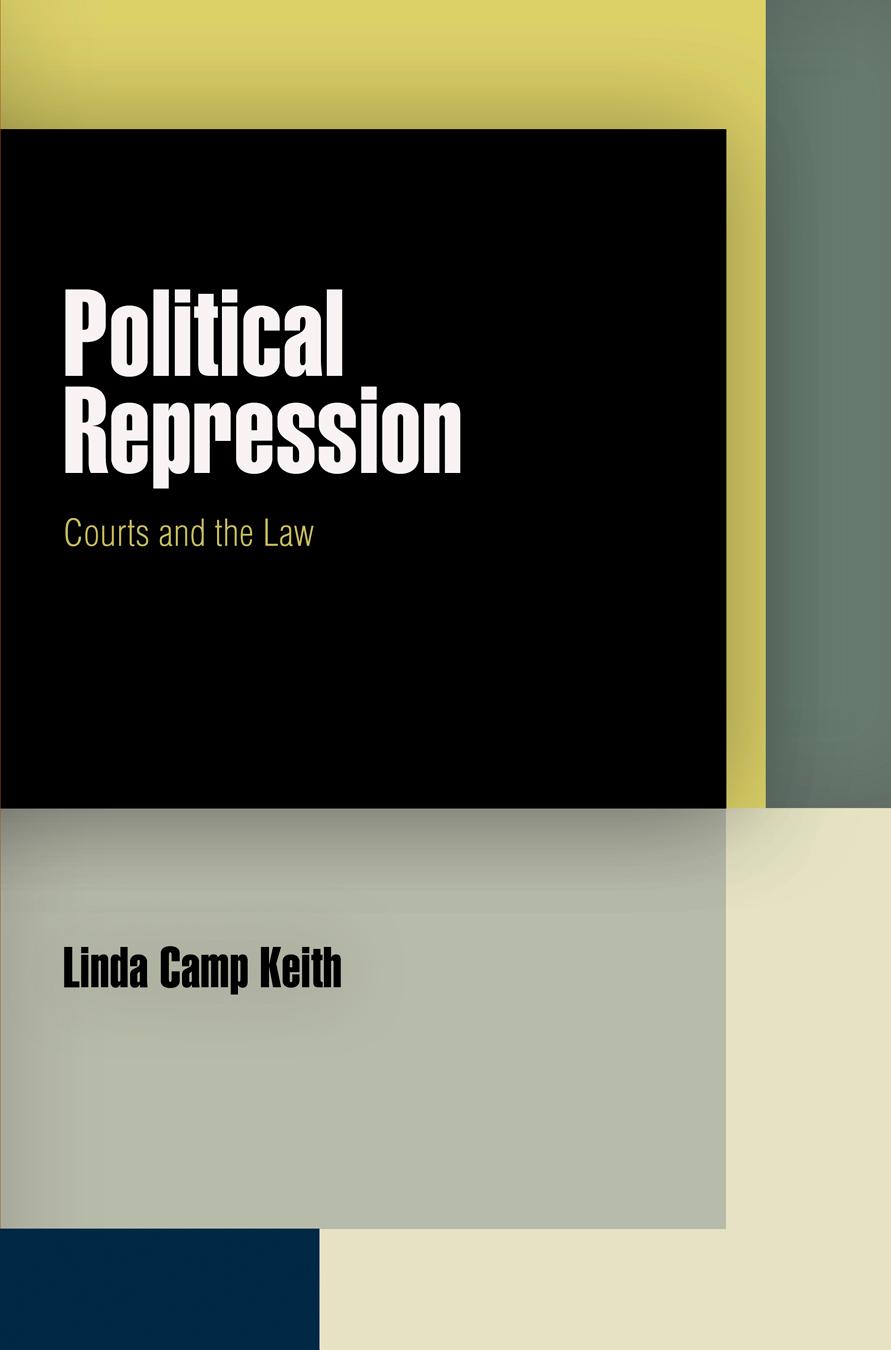
The world seems to have reached agreement on a set of ideals regarding state human rights behavior and the appropriate institutions to promote and protect those ideals. The global script for state legitimacy calls for a written constitution or the equivalent with an embedded bill of rights, democratic processes and institutions, and increasingly, a judicial check on state power to protect human rights. While the progress toward universal formal adherence to this global model is remarkable, Linda Camp Keith argues that the substantive meaning of this progress is much less clear. In Political Repression, she seeks to answer two key questions: Why do states make formal commitments to democratic processes and human rights? What effect do these commitments have on actual state behavior, especially political repression?
The book begins with a thorough exploration of a variety of tools of state repression and presents evidence for substantial formal acceptance of international human rights norms in constitutional documents as well as judicial independence. Keith finds that these institutions reflect the diffusion of global norms and standards, the role of transnational networks of nongovernmental organizations, and an electoral logic in which regimes seek to protect their future interests. Economic liberalism, on the other hand, decreases the likelihood that states adopt or maintain these provisions. She demonstrates that the level of judicial independence is influenced by constitutional structures and that levels of judicial independence subsequently achieved in turn diminish the probability of state repression of a variety of rights. She also finds strong evidence that rights provisions may indeed serve as a constraint on state repression, even when controlling for many other factors.
Before Memmo my notes were scattered across PDFs. Now a workspace pulls everything into one place — I see exactly what's still left to study.
Memmo's summaries are gold before exams. I don't have to re-read 800 pages two weeks before — just the important parts.
The AI chat has saved me the night before an exam more than once. I just keep asking until I get it — no waiting on a study group to reply.
The quizzes hit exactly what I need to know. Memmo tracks what I get stuck on — so I only practice what's worth it.
Flashcards with spaced repetition are magic. Memmo knows when I'm about to forget something and brings it back.
The AI podcasts are my favorite. I listen on my way to school and get a recap without sitting at a computer.

Handbok i kvalitativa metoder
281 kr

Hållbar utveckling: en introduktion för ingenjörer och andra problemlösare
334 kr

Brymans Samhällsvetenskapliga metoder
390 kr

Projektledning
491 kr

Den orättvisa hälsan: om socioekonomiska skillnader i hälsa och livslängd
326 kr

Vetenskapsteori för nybörjare
196 kr

Organizational Leadership
429 kr

På väg mot läraryrket
172 kr

Det sociala livet i skolan: Socialpsykologiska perspektiv
253 kr

Betygsättningens didaktik
151 kr

Personality
402 kr

Studying Leadership
404 kr

Managing Innovation
477 kr

Introduktion till samhällsvetenskaplig metod
347 kr

The Psychology of Sex and Gender
698 kr

Evidens och kunskap för socialt arbete
207 kr

Introduction to Leadership
605 kr