
Before Memmo my notes were scattered across PDFs. Now a workspace pulls everything into one place — I see exactly what's still left to study.
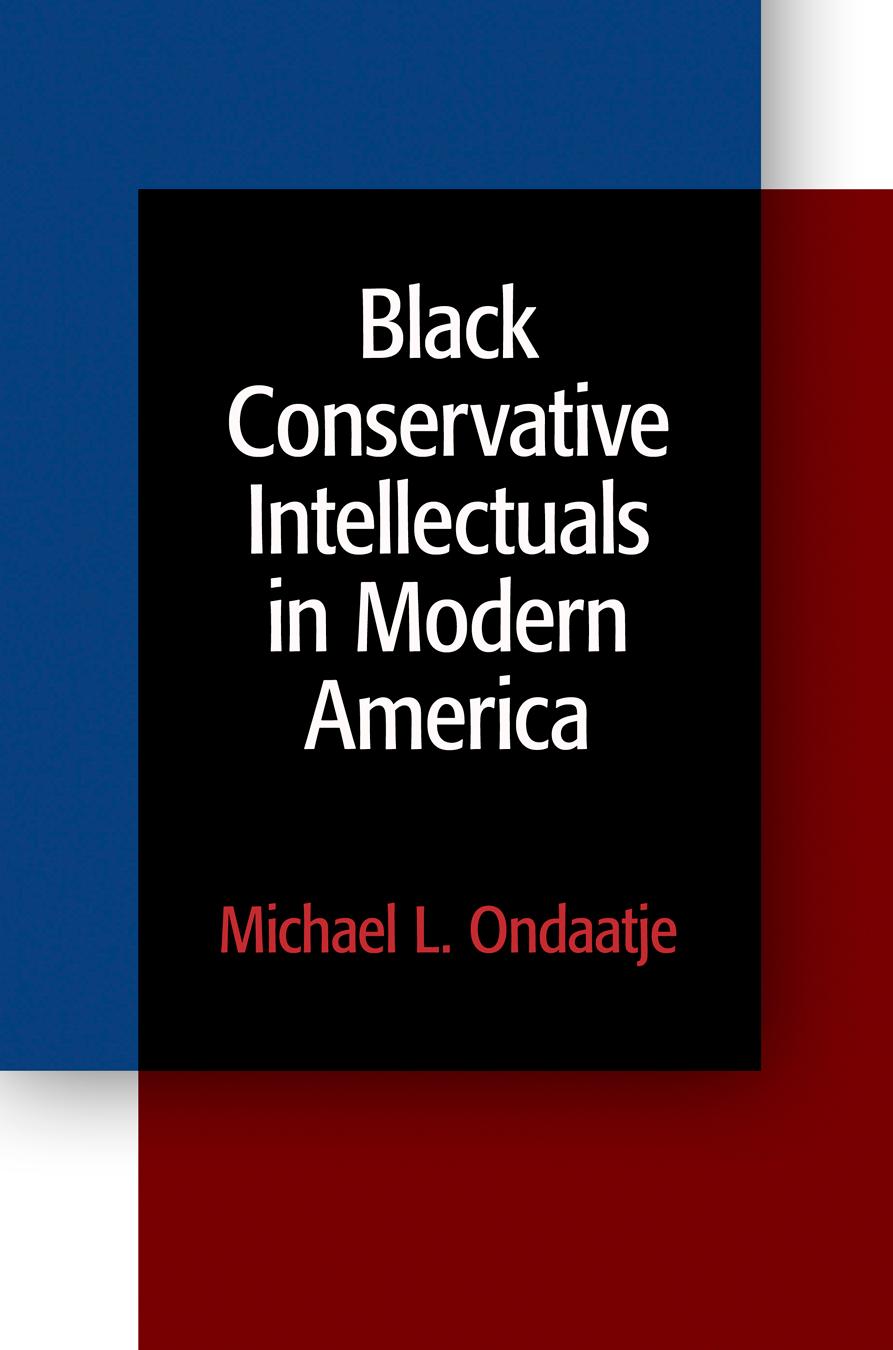
In the last three decades, a brand of black conservatism espoused by a controversial group of African American intellectuals has become a fixture in the nation's political landscape, its proponents having shaped policy debates over some of the most pressing matters that confront contemporary American society. Their ideas, though, have been neglected by scholars of the African American experience—and much of the responsibility for explaining black conservatism's historical and contemporary significance has fallen to highly partisan journalists. Typically, those pundits have addressed black conservatives as an undifferentiated mass, proclaiming them good or bad, right or wrong, color-blind visionaries or Uncle Toms.
In Black Conservative Intellectuals in Modern America, Michael L. Ondaatje delves deeply into the historical archive to chronicle the origins of black conservatism in the United States from the early 1980s to the present. Focusing on three significant policy issues—affirmative action, welfare, and education—Ondaatje critically engages with the ideas of nine of the most influential black conservatives. He further documents how their ideas were received, both by white conservatives eager to capitalize on black support for their ideas and by activists on the left who too often sought to impugn the motives of black conservatives instead of challenging the merits of their claims. While Ondaatje's investigation uncovers the themes and issues that link these voices together, he debunks the myth of a monolithic black conservatism. Figures such as Supreme Court Justice Clarence Thomas, the Hoover Institution's Thomas Sowell and Shelby Steele, and cultural theorist John McWhorter emerge as individuals with their own distinct understandings of and relationships to the conservative political tradition.
Before Memmo my notes were scattered across PDFs. Now a workspace pulls everything into one place — I see exactly what's still left to study.
Memmo's summaries are gold before exams. I don't have to re-read 800 pages two weeks before — just the important parts.
The AI chat has saved me the night before an exam more than once. I just keep asking until I get it — no waiting on a study group to reply.
The quizzes hit exactly what I need to know. Memmo tracks what I get stuck on — so I only practice what's worth it.
Flashcards with spaced repetition are magic. Memmo knows when I'm about to forget something and brings it back.
The AI podcasts are my favorite. I listen on my way to school and get a recap without sitting at a computer.

Handbok i kvalitativa metoder
281 kr

Hållbar utveckling: en introduktion för ingenjörer och andra problemlösare
334 kr

Brymans Samhällsvetenskapliga metoder
390 kr

Projektledning
491 kr

Den orättvisa hälsan: om socioekonomiska skillnader i hälsa och livslängd
326 kr

Organizational Leadership
429 kr

Vetenskapsteori för nybörjare
196 kr

På väg mot läraryrket
172 kr

Det sociala livet i skolan: Socialpsykologiska perspektiv
253 kr

Betygsättningens didaktik
151 kr

Personality
402 kr

Studying Leadership
404 kr

Managing Innovation
477 kr

Introduktion till samhällsvetenskaplig metod
347 kr

The Psychology of Sex and Gender
698 kr

Evidens och kunskap för socialt arbete
207 kr

Introduction to Leadership
605 kr