
Before Memmo my notes were scattered across PDFs. Now a workspace pulls everything into one place — I see exactly what's still left to study.
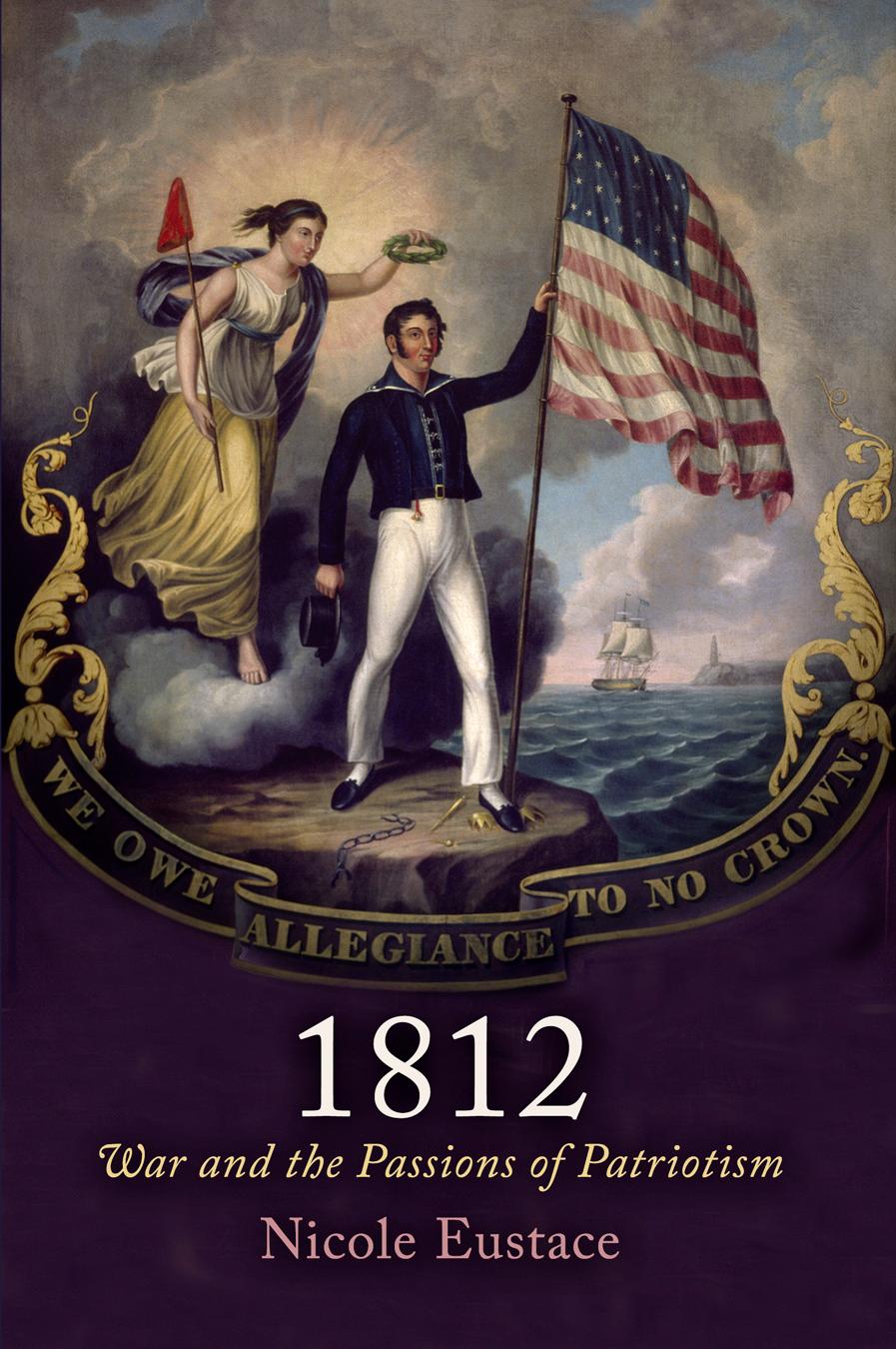
As military campaigns go, the War of 1812 was a disaster. By the time it ended in 1815, Washington, D.C., had been burned to the ground, the national debt had nearly tripled, and territorial gains were negligible. Yet the war gained so much popular support that it ushered in what is known as the "era of good feelings," a period of relative partisan harmony and strengthened national identity. Historian Nicole Eustace's cultural history of the war tells the story of how an expensive, unproductive campaign won over a young nation—largely by appealing to the heart.
1812 looks at the way each major event of the war became an opportunity to capture the American imagination: from the first attempt at invading Canada, intended as the grand opening of the war; to the battle of Lake Erie, where Oliver Perry hoisted the flag famously inscribed with "Don't Give Up the Ship"; to the burning of the Capitol by the British. Presidential speeches and political cartoons, tavern songs and treatises appealed to the emotions, painting war as an adventure that could expand the land and improve opportunities for American families. The general population, mostly shielded from the worst elements of the war, could imagine themselves participants in a great national movement without much sacrifice. Bolstered with compelling images of heroic fighting men and the loyal women who bore children for the nation, war supporters played on romantic notions of familial love to espouse population expansion and territorial aggression while maintaining limitations on citizenship. 1812 demonstrates the significance of this conflict in American history: the war that inspired "The Star-Spangled Banner" laid the groundwork for a patriotism that still reverberates today.
Before Memmo my notes were scattered across PDFs. Now a workspace pulls everything into one place — I see exactly what's still left to study.
Memmo's summaries are gold before exams. I don't have to re-read 800 pages two weeks before — just the important parts.
The AI chat has saved me the night before an exam more than once. I just keep asking until I get it — no waiting on a study group to reply.
The quizzes hit exactly what I need to know. Memmo tracks what I get stuck on — so I only practice what's worth it.
Flashcards with spaced repetition are magic. Memmo knows when I'm about to forget something and brings it back.
The AI podcasts are my favorite. I listen on my way to school and get a recap without sitting at a computer.

Handbok i kvalitativa metoder
281 kr

Hållbar utveckling: en introduktion för ingenjörer och andra problemlösare
334 kr

Brymans Samhällsvetenskapliga metoder
390 kr

Projektledning
491 kr

Den orättvisa hälsan: om socioekonomiska skillnader i hälsa och livslängd
326 kr

Organizational Leadership
429 kr

Vetenskapsteori för nybörjare
196 kr

På väg mot läraryrket
172 kr

Det sociala livet i skolan: Socialpsykologiska perspektiv
253 kr

Betygsättningens didaktik
151 kr

Personality
402 kr

Studying Leadership
404 kr

Managing Innovation
477 kr

Introduktion till samhällsvetenskaplig metod
347 kr

The Psychology of Sex and Gender
698 kr

Evidens och kunskap för socialt arbete
207 kr

Introduction to Leadership
605 kr