
Before Memmo my notes were scattered across PDFs. Now a workspace pulls everything into one place — I see exactly what's still left to study.
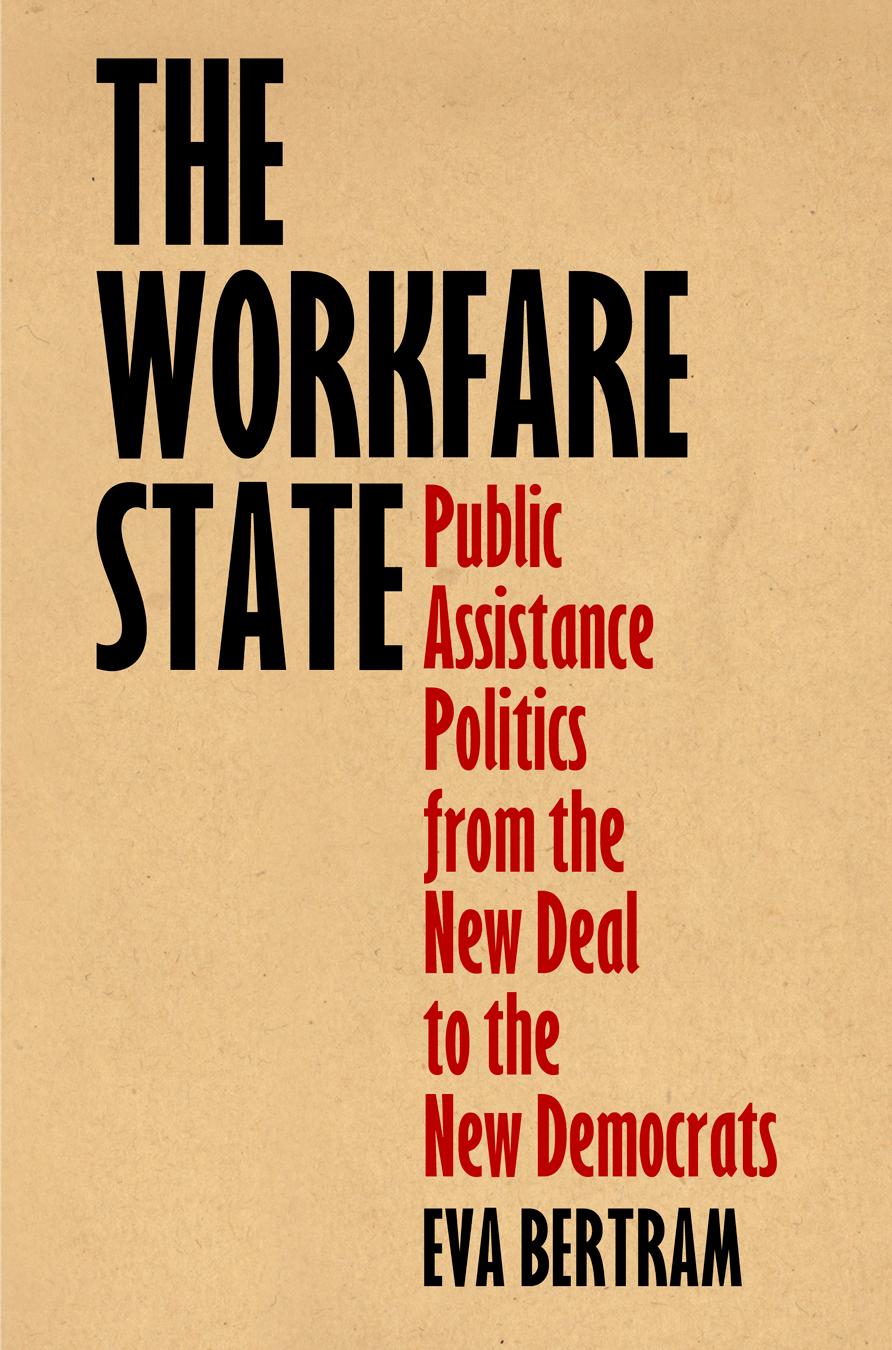
In the Great Recession of 2007-2009, the United States suffered the most sustained and extensive wave of job destruction since the Great Depression. When families in need sought help from the safety net, however, they found themselves trapped in a system that increasingly tied public assistance to private employment. In The Workfare State, Eva Bertram recounts the compelling history of the evolving social contract from the New Deal to the present to show how a need-based entitlement was replaced with a work-conditioned safety net, heightening the economic vulnerability of many poor families.
The Workfare State challenges the conventional understanding of the development of modern public assistance policy. New Deal and Great Society Democrats expanded federal assistance from the 1930s to the 1960s, according to the standard account. After the 1980 election, the tide turned and Republicans ushered in a new conservative era in welfare politics. Bertram argues that the decisive political struggles took place in the 1960s and 1970s, when Southern Democrats in Congress sought to redefine the purposes of public assistance in ways that would preserve their region's political, economic, and racial order. She tells the story of how the South—the region with the nation's highest levels of poverty and inequality and least generous social welfare policies—won the fight to rewrite America's antipoverty policy in the decades between the Great Society and the 1996 welfare reform. Their successes provided the foundation for leaders in both parties to build the contemporary workfare state—just as deindustrialization and global economic competition made low-wage jobs less effective at providing income security and mobility.
Before Memmo my notes were scattered across PDFs. Now a workspace pulls everything into one place — I see exactly what's still left to study.
Memmo's summaries are gold before exams. I don't have to re-read 800 pages two weeks before — just the important parts.
The AI chat has saved me the night before an exam more than once. I just keep asking until I get it — no waiting on a study group to reply.
The quizzes hit exactly what I need to know. Memmo tracks what I get stuck on — so I only practice what's worth it.
Flashcards with spaced repetition are magic. Memmo knows when I'm about to forget something and brings it back.
The AI podcasts are my favorite. I listen on my way to school and get a recap without sitting at a computer.

Handbok i kvalitativa metoder
281 kr

Hållbar utveckling: en introduktion för ingenjörer och andra problemlösare
334 kr

Brymans Samhällsvetenskapliga metoder
390 kr

Projektledning
491 kr

Den orättvisa hälsan: om socioekonomiska skillnader i hälsa och livslängd
326 kr

Organizational Leadership
429 kr

Vetenskapsteori för nybörjare
196 kr

På väg mot läraryrket
172 kr

Det sociala livet i skolan: Socialpsykologiska perspektiv
253 kr

Betygsättningens didaktik
151 kr

Personality
402 kr

Studying Leadership
404 kr

Managing Innovation
477 kr

Introduktion till samhällsvetenskaplig metod
347 kr

The Psychology of Sex and Gender
698 kr

Evidens och kunskap för socialt arbete
207 kr

Introduction to Leadership
605 kr