
Before Memmo my notes were scattered across PDFs. Now a workspace pulls everything into one place — I see exactly what's still left to study.
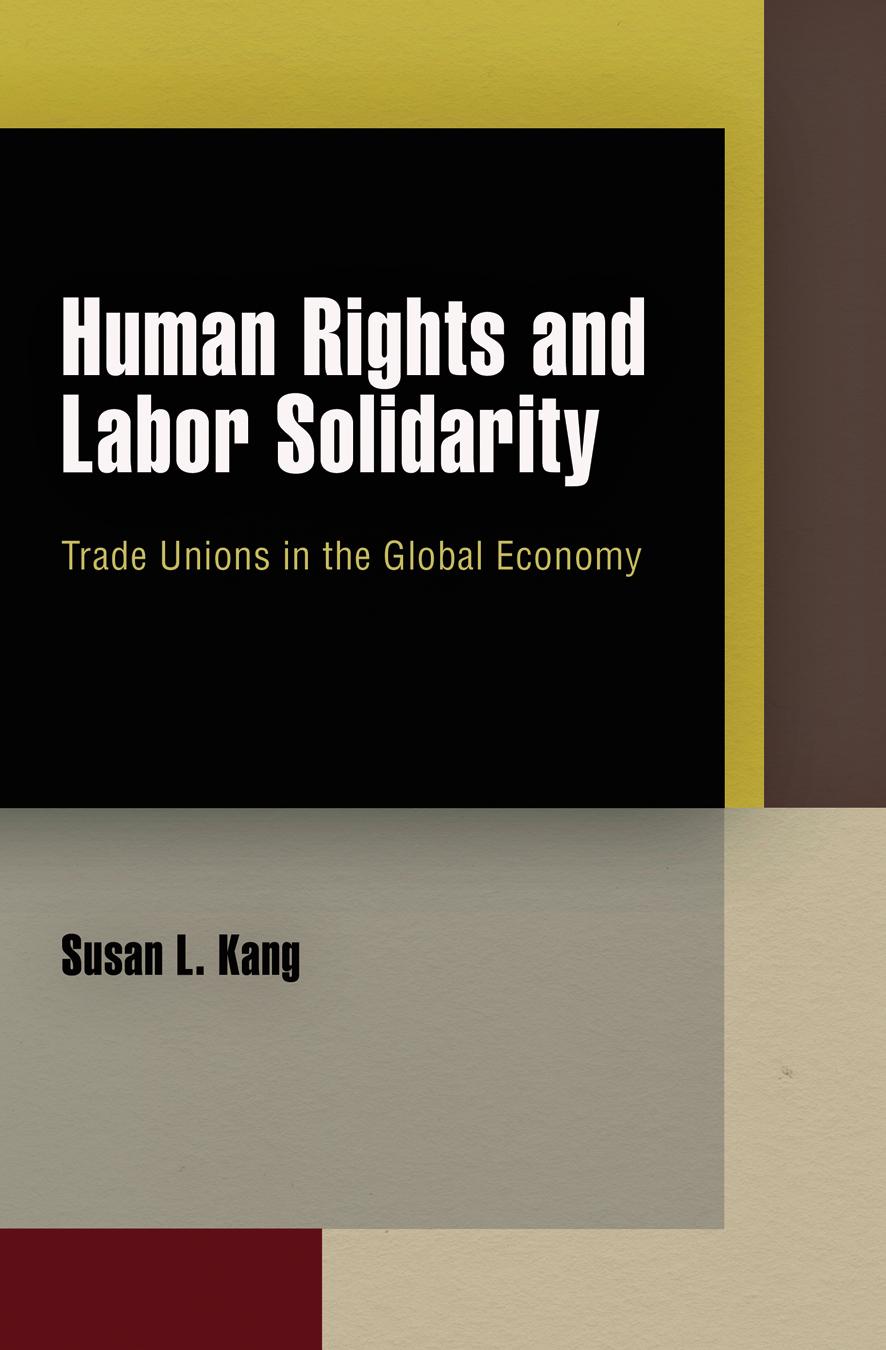
Faced with the economic pressures of globalization, many countries have sought to curb the fundamental right of workers to join trade unions and engage in collective action. In response, trade unions in developed countries have strategically used their own governments' commitments to human rights as a basis for resistance. Since the protection of human rights remains an important normative principle in global affairs, democratic countries cannot merely ignore their human rights obligations and must balance their international commitments with their desire to remain economically competitive and attractive to investors.
Human Rights and Labor Solidarity analyzes trade unions' campaigns to link local labor rights disputes to international human rights frameworks, thereby creating external scrutiny of governments. As a result of these campaigns, states engage in what political scientist Susan L. Kang terms a normative negotiation process, in which governments, trade unions, and international organizations construct and challenge a broader understanding of international labor rights norms to determine whether the conditions underlying these disputes constitute human rights violations. In three empirically rich case studies covering South Korea, the United Kingdom, and Canada, Kang demonstrates that this normative negotiation process was more successful in creating stronger protections for trade unions' rights when such changes complemented a government's other political interests. She finds that states tend not to respect stronger economically oriented human rights obligations due to the normative power of such rights alone. Instead, trade union transnational activism, coupled with sufficient political motivations, such as direct economic costs or strong rule of law obligations, contributed to changes in favor of workers' rights.
Before Memmo my notes were scattered across PDFs. Now a workspace pulls everything into one place — I see exactly what's still left to study.
Memmo's summaries are gold before exams. I don't have to re-read 800 pages two weeks before — just the important parts.
The AI chat has saved me the night before an exam more than once. I just keep asking until I get it — no waiting on a study group to reply.
The quizzes hit exactly what I need to know. Memmo tracks what I get stuck on — so I only practice what's worth it.
Flashcards with spaced repetition are magic. Memmo knows when I'm about to forget something and brings it back.
The AI podcasts are my favorite. I listen on my way to school and get a recap without sitting at a computer.

Handbok i kvalitativa metoder
281 kr

Hållbar utveckling: en introduktion för ingenjörer och andra problemlösare
334 kr

Brymans Samhällsvetenskapliga metoder
390 kr

Projektledning
491 kr

Den orättvisa hälsan: om socioekonomiska skillnader i hälsa och livslängd
326 kr

Organizational Leadership
429 kr

Vetenskapsteori för nybörjare
196 kr

På väg mot läraryrket
172 kr

Det sociala livet i skolan: Socialpsykologiska perspektiv
253 kr

Betygsättningens didaktik
151 kr

Personality
402 kr

Studying Leadership
404 kr

Managing Innovation
477 kr

Introduktion till samhällsvetenskaplig metod
347 kr

The Psychology of Sex and Gender
698 kr

Evidens och kunskap för socialt arbete
207 kr

Introduction to Leadership
605 kr