
Before Memmo my notes were scattered across PDFs. Now a workspace pulls everything into one place — I see exactly what's still left to study.
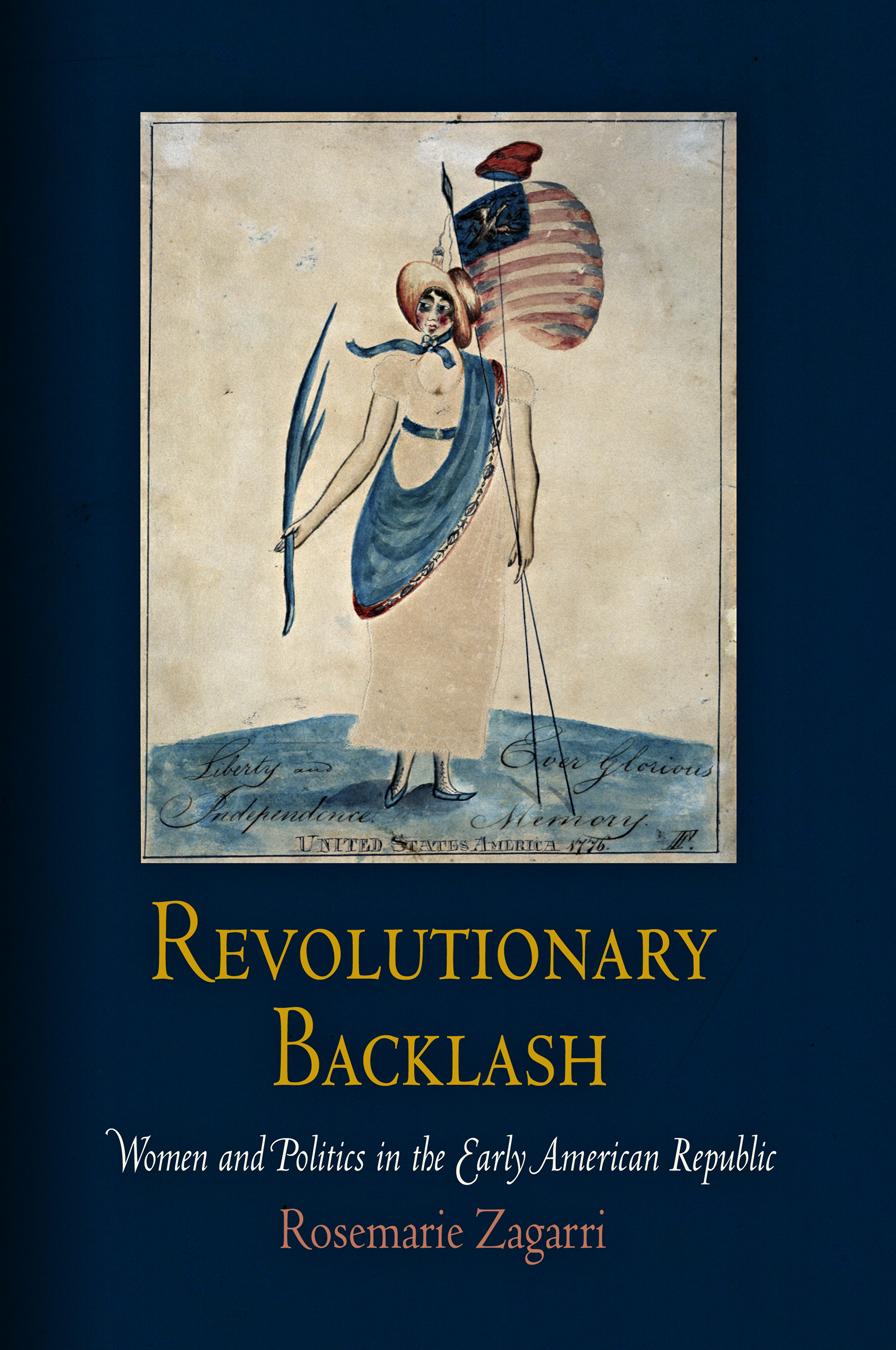
The Seneca Falls Convention is typically seen as the beginning of the first women's rights movement in the United States. Revolutionary Backlash argues otherwise. According to Rosemarie Zagarri, the debate over women's rights began not in the decades prior to 1848 but during the American Revolution itself. Integrating the approaches of women's historians and political historians, this book explores changes in women's status that occurred from the time of the American Revolution until the election of Andrew Jackson.
Although the period after the Revolution produced no collective movement for women's rights, women built on precedents established during the Revolution and gained an informal foothold in party politics and male electoral activities. Federalists and Jeffersonians vied for women's allegiance and sought their support in times of national crisis. Women, in turn, attended rallies, organized political activities, and voiced their opinions on the issues of the day. After the publication of Mary Wollstonecraft's A Vindication of the Rights of Woman, a widespread debate about the nature of women's rights ensued. The state of New Jersey attempted a bold experiment: for a brief time, women there voted on the same terms as men.
Yet as Rosemarie Zagarri argues in Revolutionary Backlash, this opening for women soon closed. By 1828, women's politicization was seen more as a liability than as a strength, contributing to a divisive political climate that repeatedly brought the country to the brink of civil war. The increasing sophistication of party organizations and triumph of universal suffrage for white males marginalized those who could not vote, especially women. Yet all was not lost. Women had already begun to participate in charitable movements, benevolent societies, and social reform organizations. Through these organizations, women found another way to practice politics.
Before Memmo my notes were scattered across PDFs. Now a workspace pulls everything into one place — I see exactly what's still left to study.
Memmo's summaries are gold before exams. I don't have to re-read 800 pages two weeks before — just the important parts.
The AI chat has saved me the night before an exam more than once. I just keep asking until I get it — no waiting on a study group to reply.
The quizzes hit exactly what I need to know. Memmo tracks what I get stuck on — so I only practice what's worth it.
Flashcards with spaced repetition are magic. Memmo knows when I'm about to forget something and brings it back.
The AI podcasts are my favorite. I listen on my way to school and get a recap without sitting at a computer.

Handbok i kvalitativa metoder
281 kr

Hållbar utveckling: en introduktion för ingenjörer och andra problemlösare
334 kr

Brymans Samhällsvetenskapliga metoder
390 kr

Projektledning
491 kr

Den orättvisa hälsan: om socioekonomiska skillnader i hälsa och livslängd
326 kr

Organizational Leadership
429 kr

Vetenskapsteori för nybörjare
196 kr

På väg mot läraryrket
172 kr

Det sociala livet i skolan: Socialpsykologiska perspektiv
253 kr

Betygsättningens didaktik
151 kr

Personality
402 kr

Studying Leadership
404 kr

Managing Innovation
477 kr

Introduktion till samhällsvetenskaplig metod
347 kr

The Psychology of Sex and Gender
698 kr

Evidens och kunskap för socialt arbete
207 kr

Introduction to Leadership
605 kr