
Before Memmo my notes were scattered across PDFs. Now a workspace pulls everything into one place — I see exactly what's still left to study.
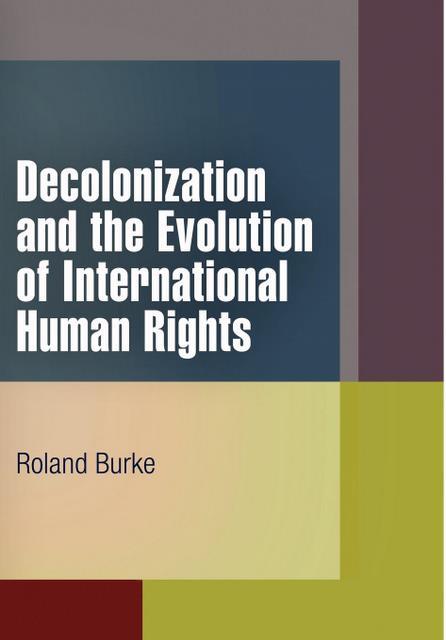
In the decades following the triumphant proclamation of the Universal Declaration of Human Rights in 1948, the UN General Assembly was transformed by the arrival of newly independent states from Asia, Africa, and the Middle East. This diverse constellation of states introduced new ideas, methods, and priorities to the human rights program. Their influence was magnified by the highly effective nature of Asian, Arab, and African diplomacy in the UN human rights bodies and the sheer numerical superiority of the so-called Afro-Asian bloc. Owing to the nature of General Assembly procedure, the Third World states dominated the human rights agenda, and enthusiastic support for universal human rights was replaced by decades of authoritarianism and an increasingly strident rejection of the ideas laid out in the Universal Declaration.
In Decolonization and the Evolution of International Human Rights, Roland Burke explores the changing impact of decolonization on the UN human rights program. By recovering the contributions of those Asian, African, and Arab voices that joined the global rights debate, Burke demonstrates the central importance of Third World influence across the most pivotal battles in the United Nations, from those that secured the principle of universality, to the passage of the first binding human rights treaties, to the flawed but radical step of studying individual pleas for help. The very presence of so many independent voices from outside the West, and the often defensive nature of Western interventions, complicates the common presumption that the postwar human rights project was driven by Europe and the United States. Drawing on UN transcripts, archives, and the personal papers of key historical actors, this book challenges the notion that the international rights order was imposed on an unwilling and marginalized Third World. Far from being excluded, Asian, African, and Middle Eastern diplomats were powerful agents in both advancing and later obstructing the promotion of human rights.
Before Memmo my notes were scattered across PDFs. Now a workspace pulls everything into one place — I see exactly what's still left to study.
Memmo's summaries are gold before exams. I don't have to re-read 800 pages two weeks before — just the important parts.
The AI chat has saved me the night before an exam more than once. I just keep asking until I get it — no waiting on a study group to reply.
The quizzes hit exactly what I need to know. Memmo tracks what I get stuck on — so I only practice what's worth it.
Flashcards with spaced repetition are magic. Memmo knows when I'm about to forget something and brings it back.
The AI podcasts are my favorite. I listen on my way to school and get a recap without sitting at a computer.

Handbok i kvalitativa metoder
281 kr

Hållbar utveckling: en introduktion för ingenjörer och andra problemlösare
334 kr

Brymans Samhällsvetenskapliga metoder
390 kr

Projektledning
491 kr

Den orättvisa hälsan: om socioekonomiska skillnader i hälsa och livslängd
326 kr

Organizational Leadership
429 kr

Vetenskapsteori för nybörjare
196 kr

På väg mot läraryrket
172 kr

Det sociala livet i skolan: Socialpsykologiska perspektiv
253 kr

Betygsättningens didaktik
151 kr

Personality
402 kr

Studying Leadership
404 kr

Managing Innovation
477 kr

Introduktion till samhällsvetenskaplig metod
347 kr

The Psychology of Sex and Gender
698 kr

Evidens och kunskap för socialt arbete
207 kr

Introduction to Leadership
605 kr