
Before Memmo my notes were scattered across PDFs. Now a workspace pulls everything into one place — I see exactly what's still left to study.
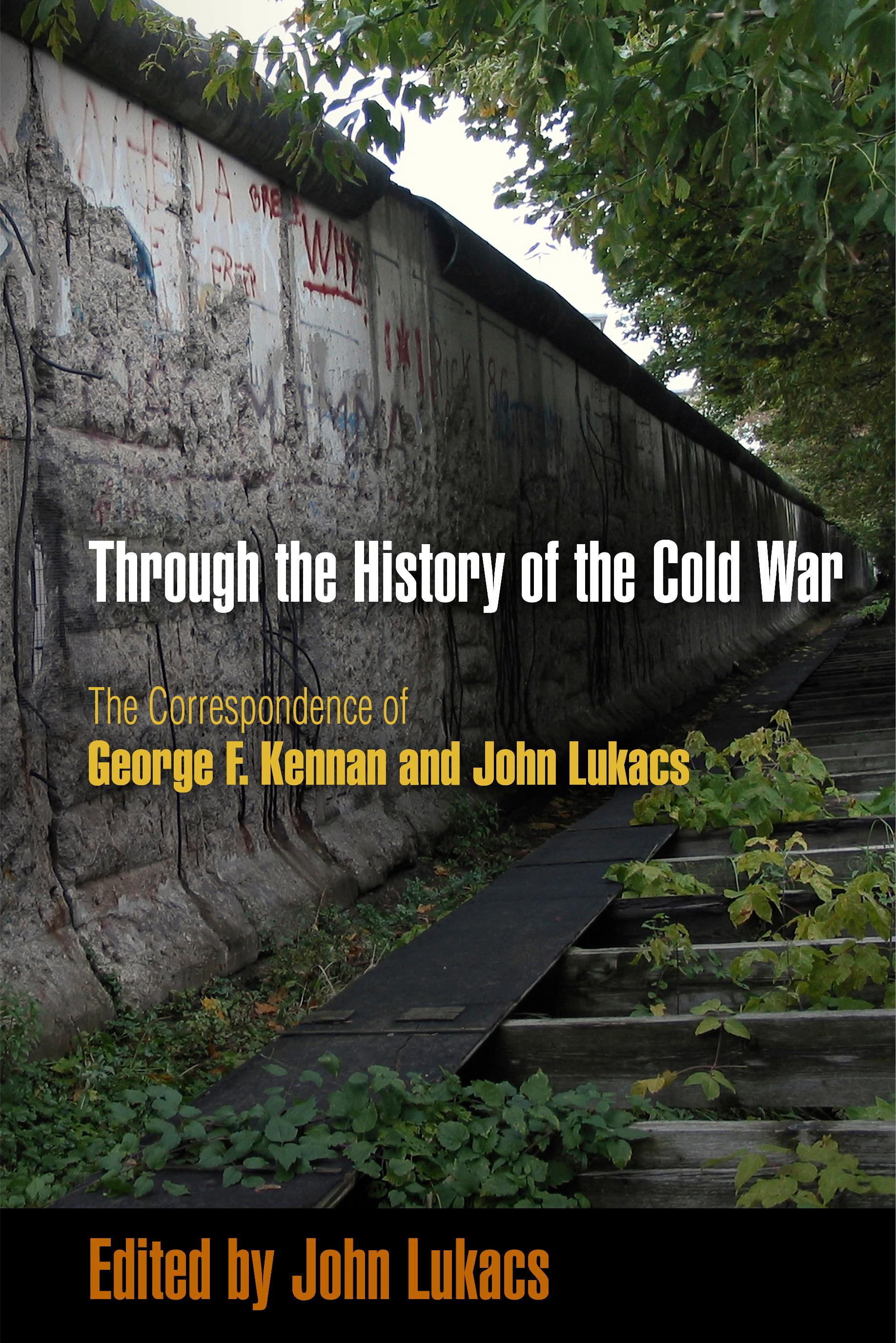
In September 1952, John Lukacs, then a young and unknown historian, wrote George Kennan (1904-2005), the U.S. ambassador to the Soviet Union, asking one of the nation's best-known diplomats what he thought of Lukacs's own views on Kennan's widely debated idea of containing rather than militarily confronting the Soviet Union. A month later, to Lukacs's surprise, he received a personal reply from Kennan.
So began an exchange of letters that would continue for more than fifty years. Lukacs would go on to become one of America's most distinguished and prolific diplomatic historians, while Kennan, who would retire from public life to begin a new career as Pulitzer Prize-winning author, would become revered as the man whose strategy of containment led to a peaceful end to the Cold War. Their letters, collected here for the first time, capture the writing and thinking of two of the country's most important voices on America's role and place in world affairs. From the division of Europe into East and West after World War II to its unification as the Soviet Union disintegrated, and from the war in Vietnam to the threat of nuclear annihilation and the fate of democracy in America and the world, this book provides an insider's tour of the issues and pivotal events that defined the Cold War.
The correspondence also charts the growth and development of an intellectual and personal friendship that was intense, devoted, and honest. As Kennan later wrote Lukacs in letter, "perceptive, understanding, and constructive criticism is . . . as I see it, in itself a form of creative philosophical thought." It is a belief to which both men subscribed and that they both practiced.
Presented with an introduction by Lukacs, the letters in Through the History of the Cold War reveal new dimensions to Kennan's thinking about America and its future, and illuminate the political—and spiritual—philosophies that the two authors shared as they wrote about a world transformed by war and by the clash of ideologies that defined the twentieth century.
Before Memmo my notes were scattered across PDFs. Now a workspace pulls everything into one place — I see exactly what's still left to study.
Memmo's summaries are gold before exams. I don't have to re-read 800 pages two weeks before — just the important parts.
The AI chat has saved me the night before an exam more than once. I just keep asking until I get it — no waiting on a study group to reply.
The quizzes hit exactly what I need to know. Memmo tracks what I get stuck on — so I only practice what's worth it.
Flashcards with spaced repetition are magic. Memmo knows when I'm about to forget something and brings it back.
The AI podcasts are my favorite. I listen on my way to school and get a recap without sitting at a computer.

Handbok i kvalitativa metoder
281 kr

Hållbar utveckling: en introduktion för ingenjörer och andra problemlösare
334 kr

Brymans Samhällsvetenskapliga metoder
390 kr

Projektledning
491 kr

Den orättvisa hälsan: om socioekonomiska skillnader i hälsa och livslängd
326 kr

Vetenskapsteori för nybörjare
196 kr

Organizational Leadership
429 kr

På väg mot läraryrket
172 kr

Det sociala livet i skolan: Socialpsykologiska perspektiv
253 kr

Betygsättningens didaktik
151 kr

Personality
402 kr

Studying Leadership
404 kr

Managing Innovation
477 kr

Introduktion till samhällsvetenskaplig metod
347 kr

The Psychology of Sex and Gender
698 kr

Evidens och kunskap för socialt arbete
207 kr

Introduction to Leadership
605 kr