
Before Memmo my notes were scattered across PDFs. Now a workspace pulls everything into one place — I see exactly what's still left to study.
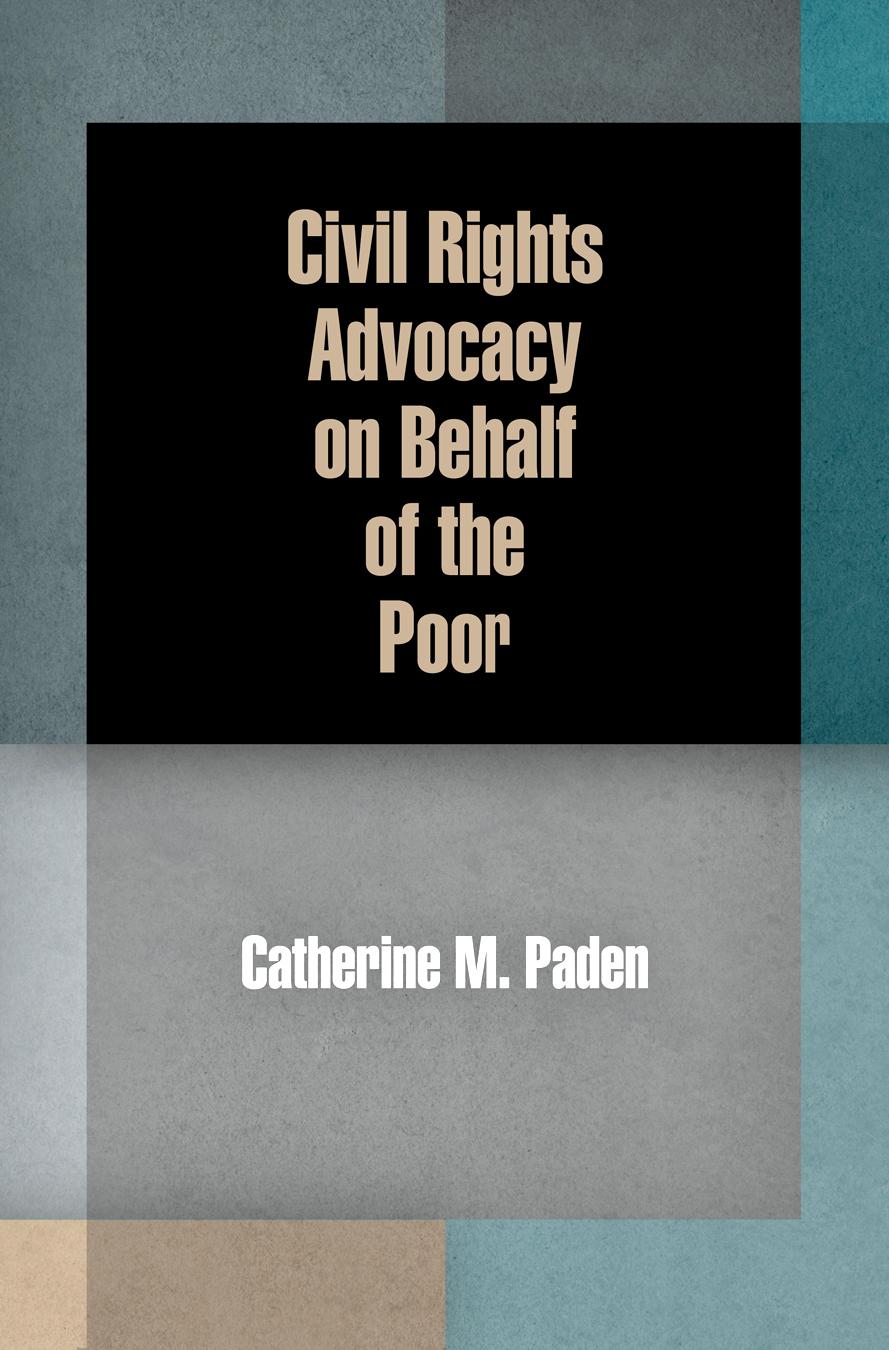
Representation of the poor has never been the top priority for civil rights organizations, which exist to eradicate racially prejudiced and discriminatory practices and policy. Scholars have argued that the activities and ideologies of civil rights groups have functioned with a distinct middle-class bias since well before the 1960s civil rights movement. Additionally, all political organizations face disincentives to represent the poor—such advocacy is expensive and politically unpopular, and often involves trade-offs with other issues that are more central to organizations' missions.
In Civil Rights Advocacy on Behalf of the Poor, Catherine M. Paden examines five civil rights organizations and explores why they chose to represent the poor—specifically low-income African Americans—during six legislative periods considering welfare reform. Paden's archival research into groups such as NAACP, the Congress of Racial Equality, and the Southern Christian Leadership Conference, and her extensive interviews with movement leaders and activists reveal that national organizations advocate on behalf of the poor when they have incentives to do so. Organizational decisions to represent the poor are sometimes strategic, sometimes based on an ideological commitment, and sometimes both. However, Paden points out that decisions are never purely ideological—groups are always aware of strategy and of their positions within their issue niche when they fix their priorities.
Civil Rights Advocacy on Behalf of the Poor also points to the critical role that radical organizations play in increasing representation in the U.S. political system. Paden maintains that radical groups matter not because their representation affects long-term policy change or is particularly effective in representing the interest of marginal groups. Rather, she argues, it is because they compete with more mainstream or conservative organizations for their constituencies.
Before Memmo my notes were scattered across PDFs. Now a workspace pulls everything into one place — I see exactly what's still left to study.
Memmo's summaries are gold before exams. I don't have to re-read 800 pages two weeks before — just the important parts.
The AI chat has saved me the night before an exam more than once. I just keep asking until I get it — no waiting on a study group to reply.
The quizzes hit exactly what I need to know. Memmo tracks what I get stuck on — so I only practice what's worth it.
Flashcards with spaced repetition are magic. Memmo knows when I'm about to forget something and brings it back.
The AI podcasts are my favorite. I listen on my way to school and get a recap without sitting at a computer.

Handbok i kvalitativa metoder
281 kr

Hållbar utveckling: en introduktion för ingenjörer och andra problemlösare
334 kr

Brymans Samhällsvetenskapliga metoder
390 kr

Projektledning
491 kr

Den orättvisa hälsan: om socioekonomiska skillnader i hälsa och livslängd
326 kr

Vetenskapsteori för nybörjare
196 kr

Organizational Leadership
429 kr

På väg mot läraryrket
172 kr

Det sociala livet i skolan: Socialpsykologiska perspektiv
253 kr

Betygsättningens didaktik
151 kr

Personality
402 kr

Studying Leadership
404 kr

Managing Innovation
477 kr

Introduktion till samhällsvetenskaplig metod
347 kr

The Psychology of Sex and Gender
698 kr

Evidens och kunskap för socialt arbete
207 kr

Introduction to Leadership
605 kr