
Before Memmo my notes were scattered across PDFs. Now a workspace pulls everything into one place — I see exactly what's still left to study.
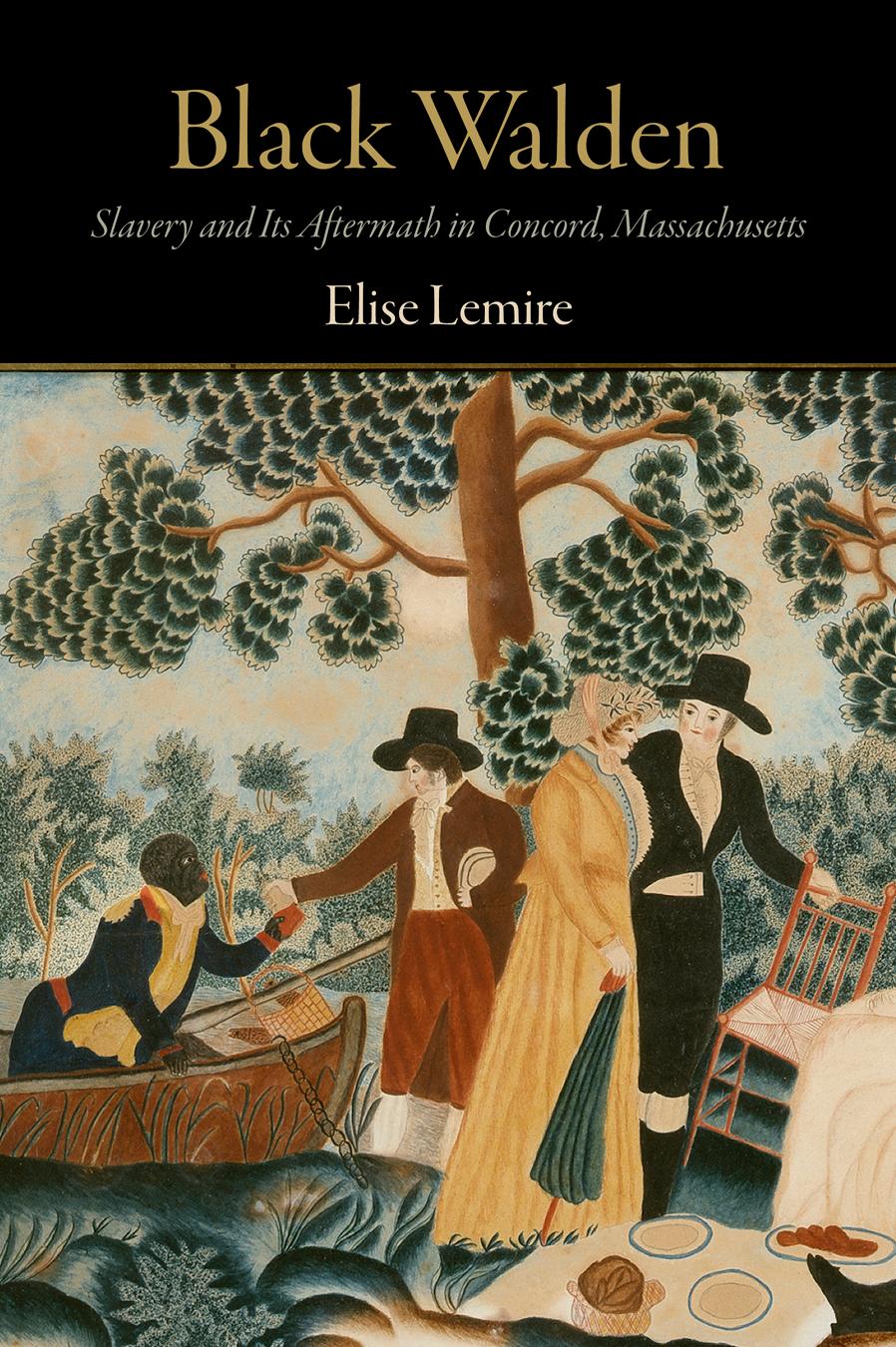
Concord, Massachusetts, has long been heralded as the birthplace of American liberty and American letters. It was here that the first military engagement of the Revolutionary War was fought and here that Thoreau came to "live deliberately" on the shores of Walden Pond. Between the Revolution and the settlement of the little cabin with the bean rows, however, Walden Woods was home to several generations of freed slaves and their children. Living on the fringes of society, they attempted to pursue lives of freedom, promised by the rhetoric of the Revolution, and yet withheld by the practice of racism. Thoreau was all but alone in his attempt "to conjure up the former occupants of these woods." Other than the chapter he devoted to them in Walden, the history of slavery in Concord has been all but forgotten.
In Black Walden: Slavery and Its Aftermath in Concord, Massachusetts, Elise Lemire brings to life the former slaves of Walden Woods and the men and women who held them in bondage during the eighteenth century. After charting the rise of Concord slaveholder John Cuming, Black Walden follows the struggles of Cuming's slave, Brister, as he attempts to build a life for himself after thirty-five years of enslavement. Brister Freeman, as he came to call himself, and other of the town's slaves were able to leverage the political tensions that fueled the American Revolution and force their owners into relinquishing them. Once emancipated, however, the former slaves were permitted to squat on only the most remote and infertile places. Walden Woods was one of them. Here, Freeman and his neighbors farmed, spun linen, made baskets, told fortunes, and otherwise tried to survive in spite of poverty and harassment.
With a new preface that reflects on community developments since the hardcover's publication, Black Walden reminds us that this was a black space before it was an internationally known green space and preserves the legacy of the people who strove against all odds to overcome slavery and segregation.
Before Memmo my notes were scattered across PDFs. Now a workspace pulls everything into one place — I see exactly what's still left to study.
Memmo's summaries are gold before exams. I don't have to re-read 800 pages two weeks before — just the important parts.
The AI chat has saved me the night before an exam more than once. I just keep asking until I get it — no waiting on a study group to reply.
The quizzes hit exactly what I need to know. Memmo tracks what I get stuck on — so I only practice what's worth it.
Flashcards with spaced repetition are magic. Memmo knows when I'm about to forget something and brings it back.
The AI podcasts are my favorite. I listen on my way to school and get a recap without sitting at a computer.

Handbok i kvalitativa metoder
281 kr

Hållbar utveckling: en introduktion för ingenjörer och andra problemlösare
334 kr

Brymans Samhällsvetenskapliga metoder
390 kr

Projektledning
491 kr

Den orättvisa hälsan: om socioekonomiska skillnader i hälsa och livslängd
326 kr

Organizational Leadership
429 kr

Vetenskapsteori för nybörjare
196 kr

På väg mot läraryrket
172 kr

Det sociala livet i skolan: Socialpsykologiska perspektiv
253 kr

Betygsättningens didaktik
151 kr

Personality
402 kr

Studying Leadership
404 kr

Managing Innovation
477 kr

Introduktion till samhällsvetenskaplig metod
347 kr

The Psychology of Sex and Gender
698 kr

Evidens och kunskap för socialt arbete
207 kr

Introduction to Leadership
605 kr