
Before Memmo my notes were scattered across PDFs. Now a workspace pulls everything into one place — I see exactly what's still left to study.
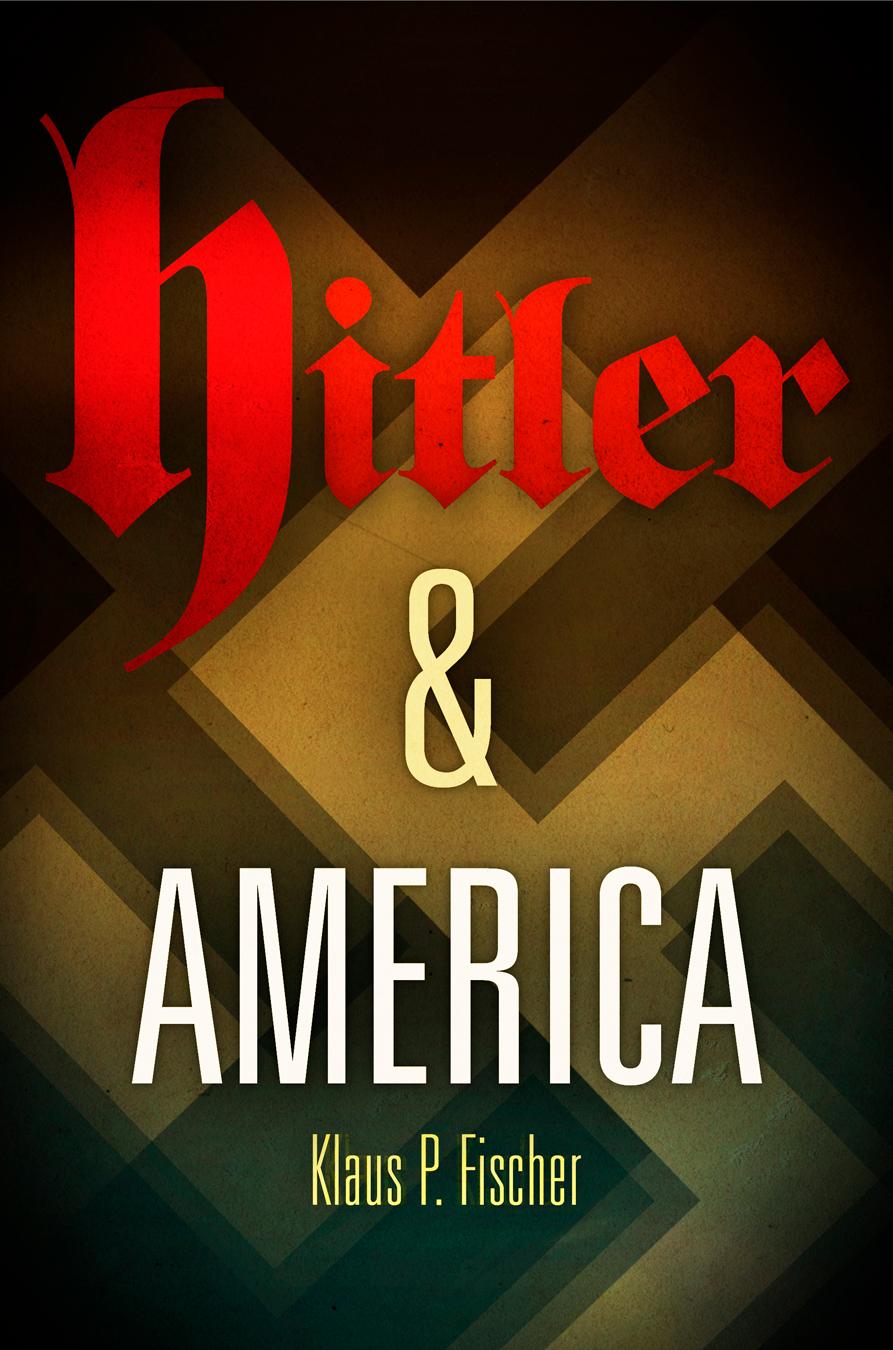
In February 1942, barely two months after he had declared war on the United States, Adolf Hitler praised America's great industrial achievements and admitted that Germany would need some time to catch up. The Americans, he said, had shown the way in developing the most efficient methods of production—especially in iron and coal, which formed the basis of modern industrial civilization. He also touted America's superiority in the field of transportation, particularly the automobile. He loved automobiles and saw in Henry Ford a great hero of the industrial age. Hitler's personal train was even code-named "Amerika."
In Hitler and America, historian Klaus P. Fischer seeks to understand more deeply how Hitler viewed America, the nation that was central to Germany's defeat. He reveals Hitler's split-minded image of America: America and Amerika. Hitler would loudly call the United States a feeble country while at the same time referring to it as an industrial colossus worthy of imitation. Or he would belittle America in the vilest terms while at the same time looking at the latest photos from the United States, watching American films, and amusing himself with Mickey Mouse cartoons. America was a place that Hitler admired—for the can-do spirit of the American people, which he attributed to their Nordic blood—and envied—for its enormous territorial size, abundant resources, and political power. Amerika, however, was to Hitler a mongrel nation, grown too rich too soon and governed by a capitalist elite with strong ties to the Jews.
Across the Atlantic, President Franklin Delano Roosevelt had his own, far more realistically grounded views of Hitler. Fischer contrasts these with the misconceptions and misunderstandings that caused Hitler, in the end, to see only Amerika, not America, and led to his defeat.
Before Memmo my notes were scattered across PDFs. Now a workspace pulls everything into one place — I see exactly what's still left to study.
Memmo's summaries are gold before exams. I don't have to re-read 800 pages two weeks before — just the important parts.
The AI chat has saved me the night before an exam more than once. I just keep asking until I get it — no waiting on a study group to reply.
The quizzes hit exactly what I need to know. Memmo tracks what I get stuck on — so I only practice what's worth it.
Flashcards with spaced repetition are magic. Memmo knows when I'm about to forget something and brings it back.
The AI podcasts are my favorite. I listen on my way to school and get a recap without sitting at a computer.

Handbok i kvalitativa metoder
281 kr

Hållbar utveckling: en introduktion för ingenjörer och andra problemlösare
334 kr

Brymans Samhällsvetenskapliga metoder
390 kr

Projektledning
491 kr

Den orättvisa hälsan: om socioekonomiska skillnader i hälsa och livslängd
326 kr

Organizational Leadership
429 kr

Vetenskapsteori för nybörjare
196 kr

På väg mot läraryrket
172 kr

Det sociala livet i skolan: Socialpsykologiska perspektiv
253 kr

Betygsättningens didaktik
151 kr

Personality
402 kr

Studying Leadership
404 kr

Managing Innovation
477 kr

Introduktion till samhällsvetenskaplig metod
347 kr

The Psychology of Sex and Gender
698 kr

Evidens och kunskap för socialt arbete
207 kr

Introduction to Leadership
605 kr