
Before Memmo my notes were scattered across PDFs. Now a workspace pulls everything into one place — I see exactly what's still left to study.
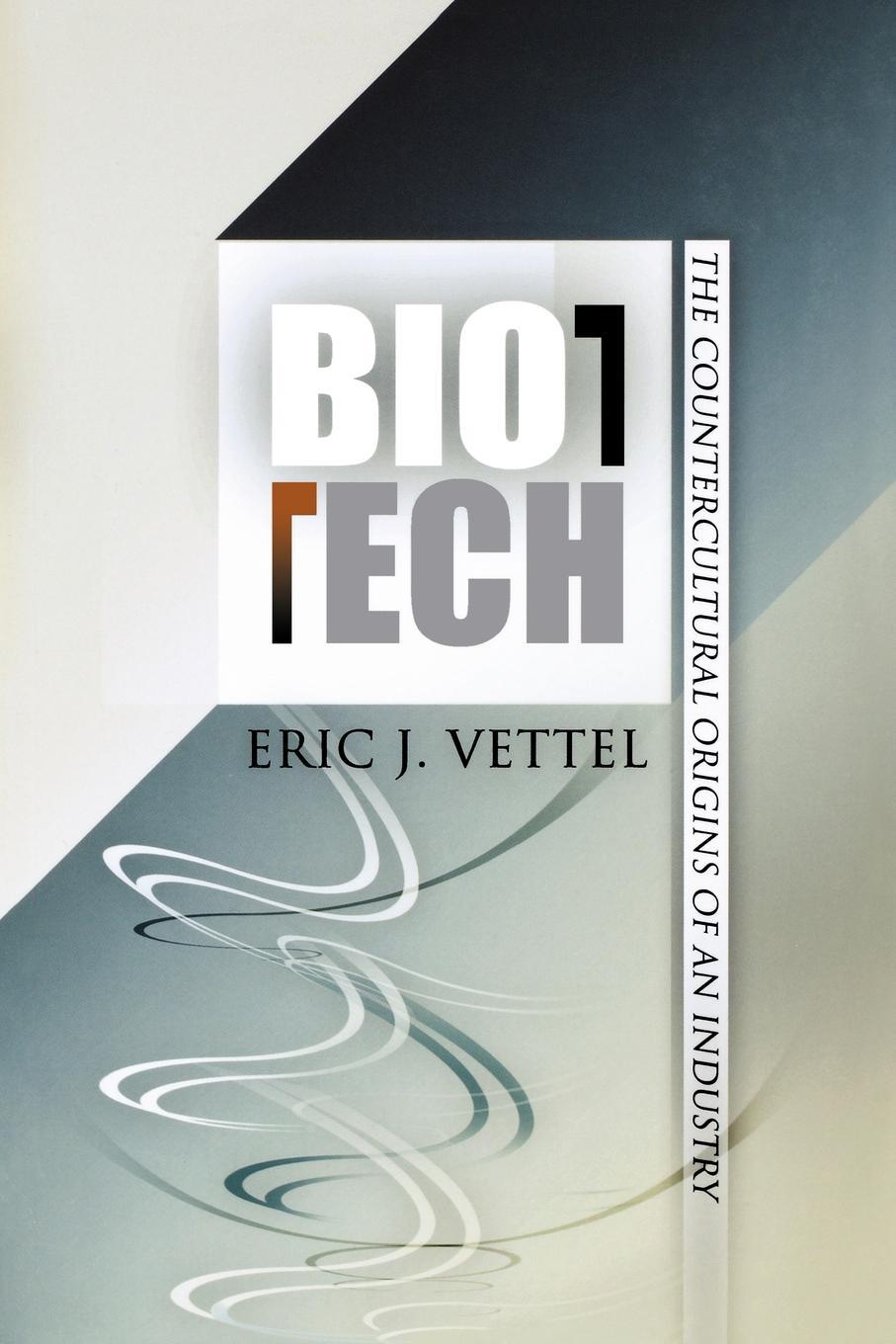
The seemingly unlimited reach of powerful biotechnologies and the attendant growth of the multibillion-dollar industry have raised difficult questions about the scientific discoveries, political assumptions, and cultural patterns that gave rise to for-profit biological research. Given such extraordinary stakes, a history of the commercial biotechnology industry must inquire far beyond the predictable attention to scientists, discovery, and corporate sales. It must pursue how something so complex as the biotechnology industry was born, poised to become both a vanguard for contemporary world capitalism and a focal point for polemic ethical debate.
In Biotech, Eric J. Vettel chronicles the story behind genetic engineering, recombinant DNA, cloning, and stem-cell research. It is a story about the meteoric rise of government support for scientific research during the Cold War, about activists and student protesters in the Vietnam era pressing for a new purpose in science, about politicians creating policy that alters the course of science, and also about the release of powerful entrepreneurial energies in universities and in venture capital that few realized existed. Most of all, it is a story about people—not just biologists but also followers and opponents who knew nothing about the biological sciences yet cared deeply about how biological research was done and how the resulting knowledge was used.
Vettel weaves together these stories to illustrate how the biotechnology industry was born in the San Francisco Bay area, examining the anomalies, ironies, and paradoxes that contributed to its rise. Culled from oral histories, university records, and private corporate archives, including Cetus, the world's first biotechnology company, this compelling history shows how a cultural and political revolution in the 1960s resulted in a new scientific order: the practical application of biological knowledge supported by private investors expecting profitable returns eclipsed basic research supported by government agencies.
Before Memmo my notes were scattered across PDFs. Now a workspace pulls everything into one place — I see exactly what's still left to study.
Memmo's summaries are gold before exams. I don't have to re-read 800 pages two weeks before — just the important parts.
The AI chat has saved me the night before an exam more than once. I just keep asking until I get it — no waiting on a study group to reply.
The quizzes hit exactly what I need to know. Memmo tracks what I get stuck on — so I only practice what's worth it.
Flashcards with spaced repetition are magic. Memmo knows when I'm about to forget something and brings it back.
The AI podcasts are my favorite. I listen on my way to school and get a recap without sitting at a computer.

Handbok i kvalitativa metoder
281 kr

Hållbar utveckling: en introduktion för ingenjörer och andra problemlösare
334 kr

Brymans Samhällsvetenskapliga metoder
390 kr

Projektledning
491 kr

Den orättvisa hälsan: om socioekonomiska skillnader i hälsa och livslängd
326 kr

Vetenskapsteori för nybörjare
196 kr

Organizational Leadership
429 kr

På väg mot läraryrket
172 kr

Det sociala livet i skolan: Socialpsykologiska perspektiv
253 kr

Betygsättningens didaktik
151 kr

Personality
402 kr

Studying Leadership
404 kr

Managing Innovation
477 kr

Introduktion till samhällsvetenskaplig metod
347 kr

The Psychology of Sex and Gender
698 kr

Evidens och kunskap för socialt arbete
207 kr

Introduction to Leadership
605 kr