
Before Memmo my notes were scattered across PDFs. Now a workspace pulls everything into one place — I see exactly what's still left to study.
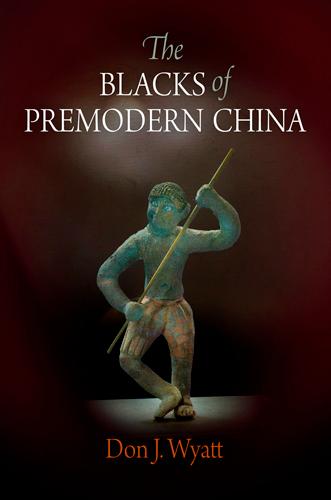
Premodern Chinese described a great variety of the peoples they encountered as "black." The earliest and most frequent of these encounters were with their Southeast Asian neighbors, specifically the Malayans. But by the midimperial times of the seventh through seventeenth centuries C.E., exposure to peoples from Africa, chiefly slaves arriving from the area of modern Somalia, Kenya, and Tanzania, gradually displaced the original Asian "blacks" in Chinese consciousness. In The Blacks of Premodern China, Don J. Wyatt presents the previously unexamined story of the earliest Chinese encounters with this succession of peoples they have historically regarded as black.
A series of maritime expeditions along the East African coastline during the early fifteenth century is by far the best known and most documented episode in the story of China's premodern interaction with African blacks. Just as their Western contemporaries had, the Chinese aboard the ships that made landfall in Africa encountered peoples whom they frequently classified as savages. Yet their perceptions of the blacks they met there differed markedly from those of earlier observers at home in that there was little choice but to regard the peoples encountered as free.
The premodern saga of dealings between Chinese and blacks concludes with the arrival in China of Portuguese and Spanish traders and Italian clerics with their black slaves in tow. In Chinese writings of the time, the presence of the slaves of the Europeans becomes known only through sketchy mentions of black bondservants. Nevertheless, Wyatt argues that the story of these late premodern blacks, laboring anonymously in China under their European masters, is but a more familiar extension of the previously untold story of their ancestors who toiled in Chinese servitude perhaps in excess of a millennium earlier.
Before Memmo my notes were scattered across PDFs. Now a workspace pulls everything into one place — I see exactly what's still left to study.
Memmo's summaries are gold before exams. I don't have to re-read 800 pages two weeks before — just the important parts.
The AI chat has saved me the night before an exam more than once. I just keep asking until I get it — no waiting on a study group to reply.
The quizzes hit exactly what I need to know. Memmo tracks what I get stuck on — so I only practice what's worth it.
Flashcards with spaced repetition are magic. Memmo knows when I'm about to forget something and brings it back.
The AI podcasts are my favorite. I listen on my way to school and get a recap without sitting at a computer.

Handbok i kvalitativa metoder
281 kr

Hållbar utveckling: en introduktion för ingenjörer och andra problemlösare
334 kr

Brymans Samhällsvetenskapliga metoder
390 kr

Projektledning
491 kr

Den orättvisa hälsan: om socioekonomiska skillnader i hälsa och livslängd
326 kr

Vetenskapsteori för nybörjare
196 kr

Organizational Leadership
429 kr

På väg mot läraryrket
172 kr

Det sociala livet i skolan: Socialpsykologiska perspektiv
253 kr

Betygsättningens didaktik
151 kr

Personality
402 kr

Studying Leadership
404 kr

Managing Innovation
477 kr

Introduktion till samhällsvetenskaplig metod
347 kr

The Psychology of Sex and Gender
698 kr

Evidens och kunskap för socialt arbete
207 kr

Introduction to Leadership
605 kr